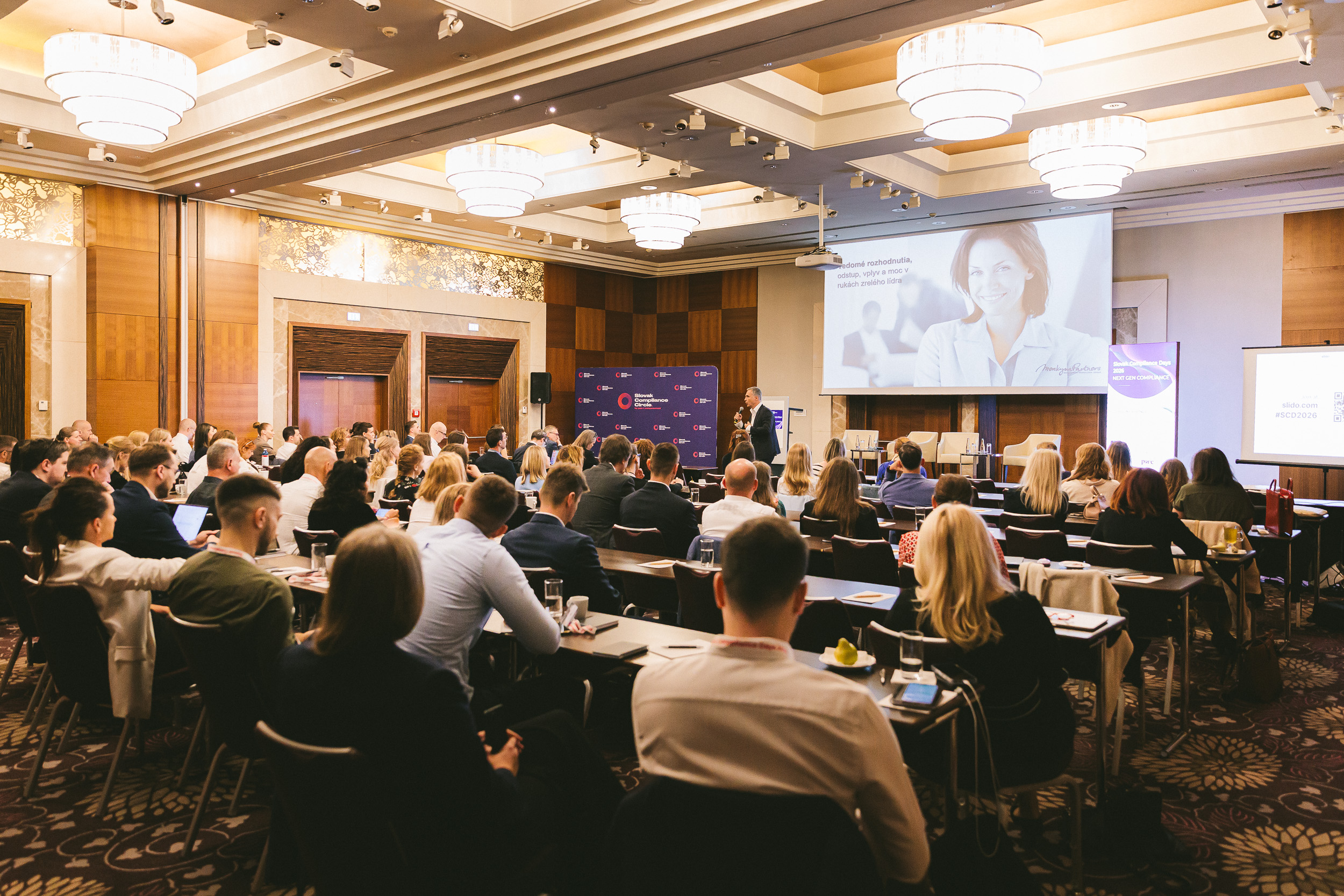
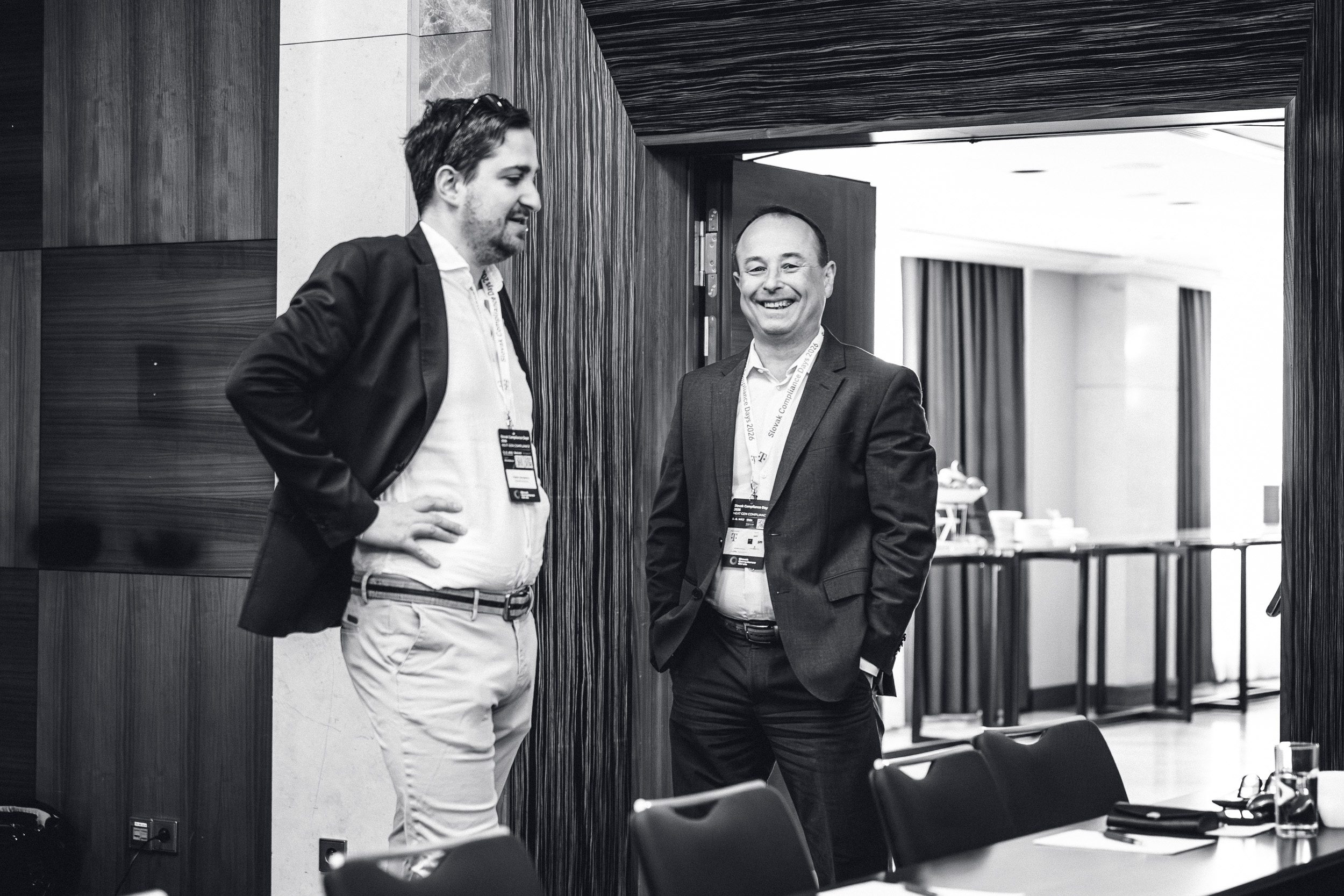
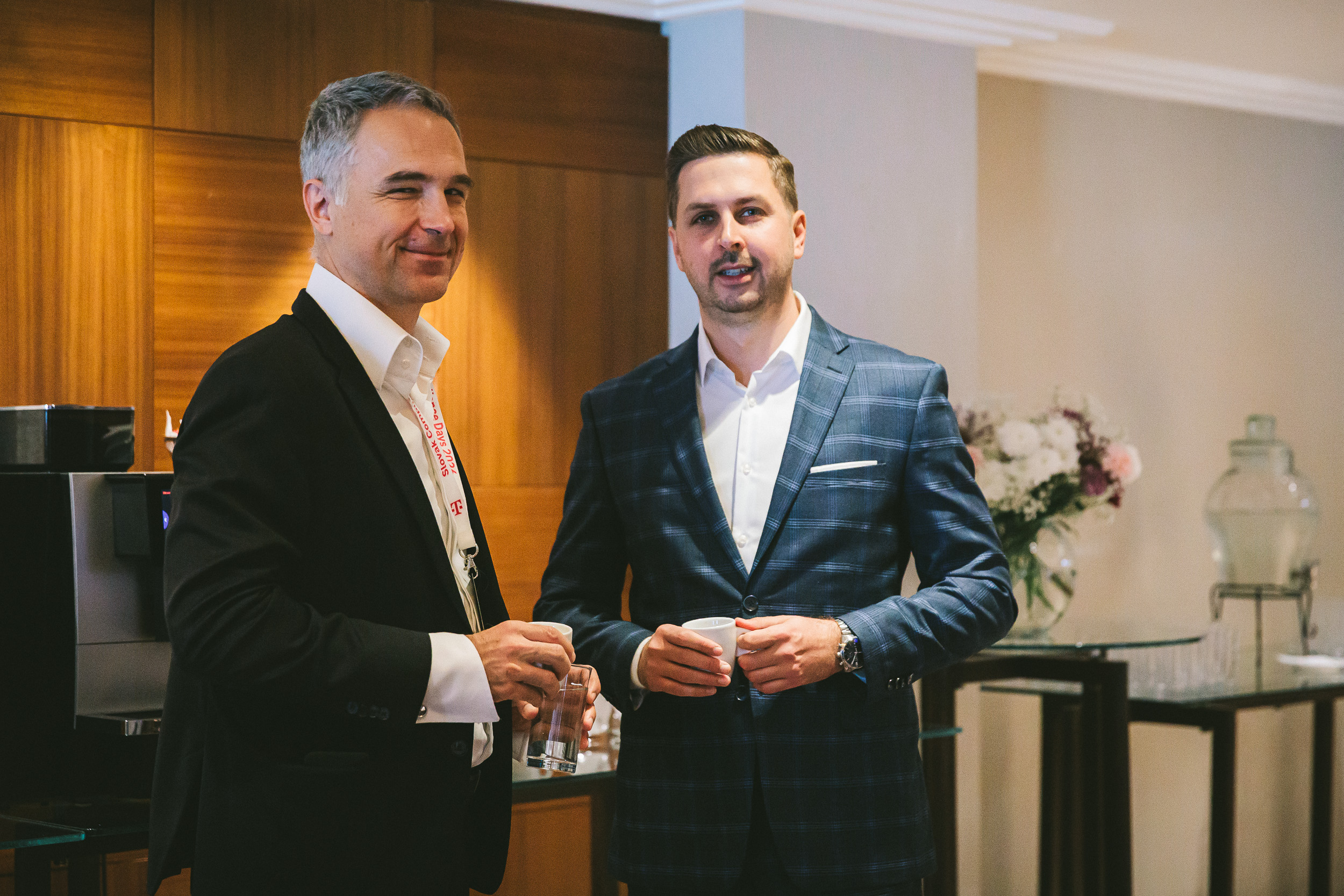
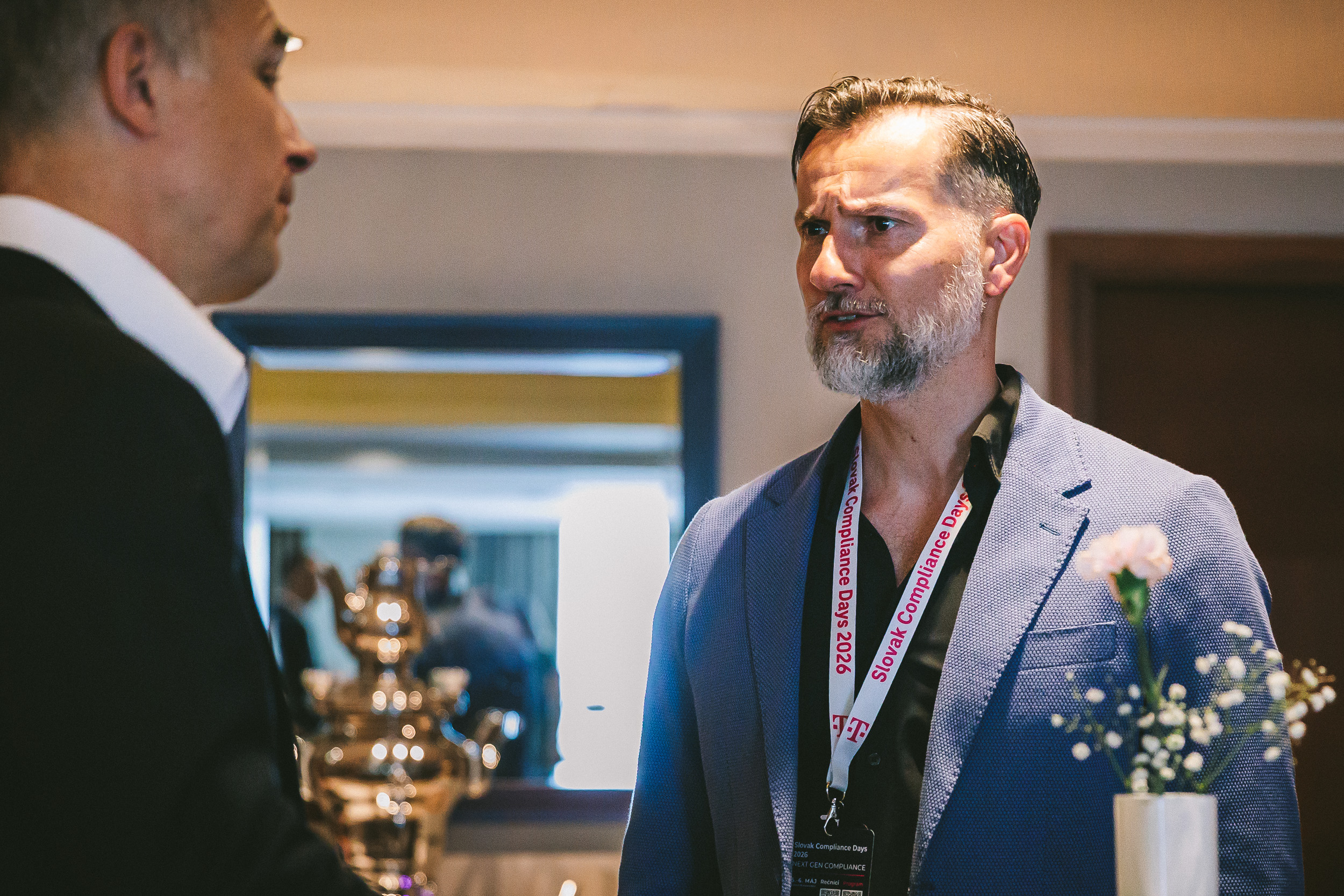
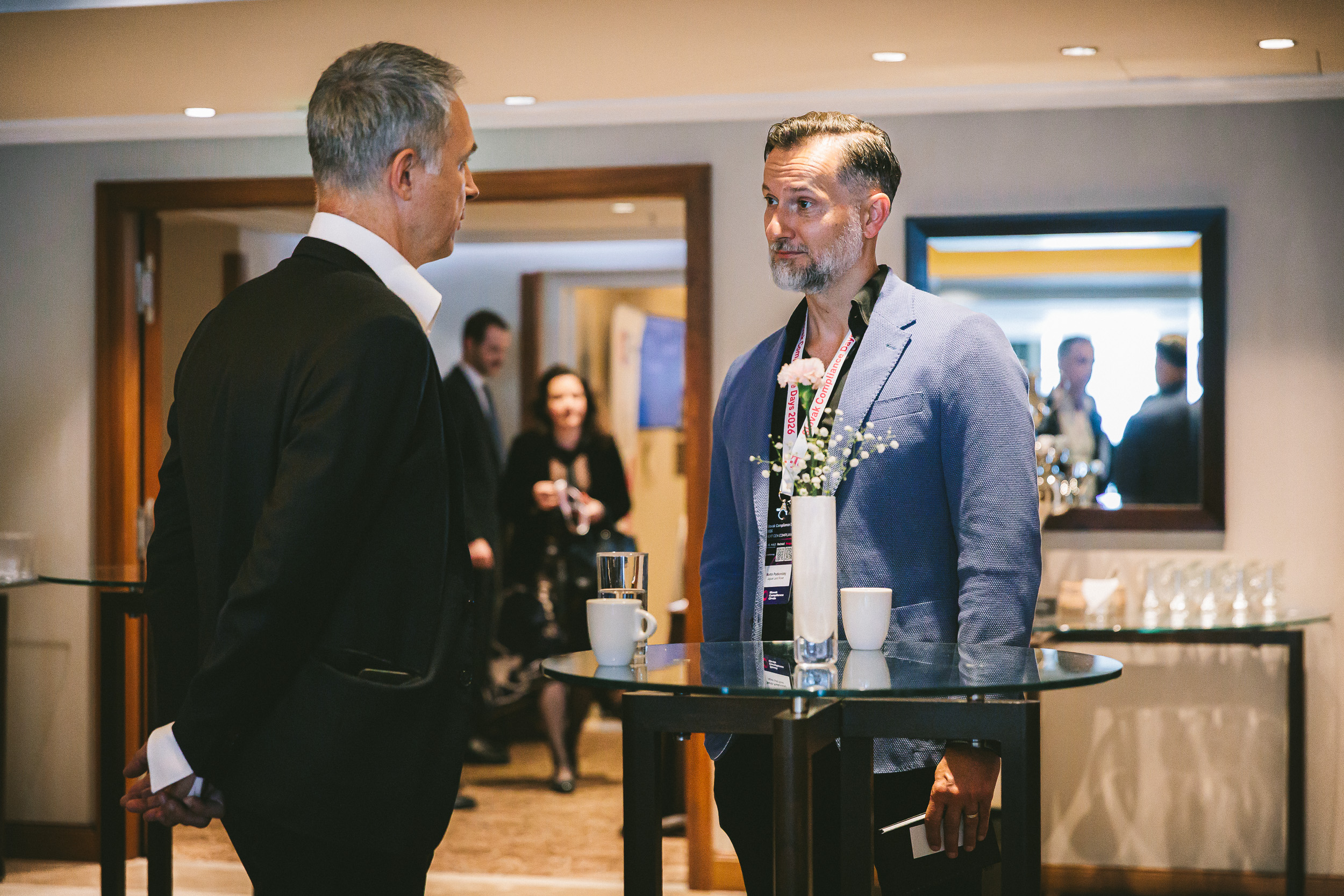
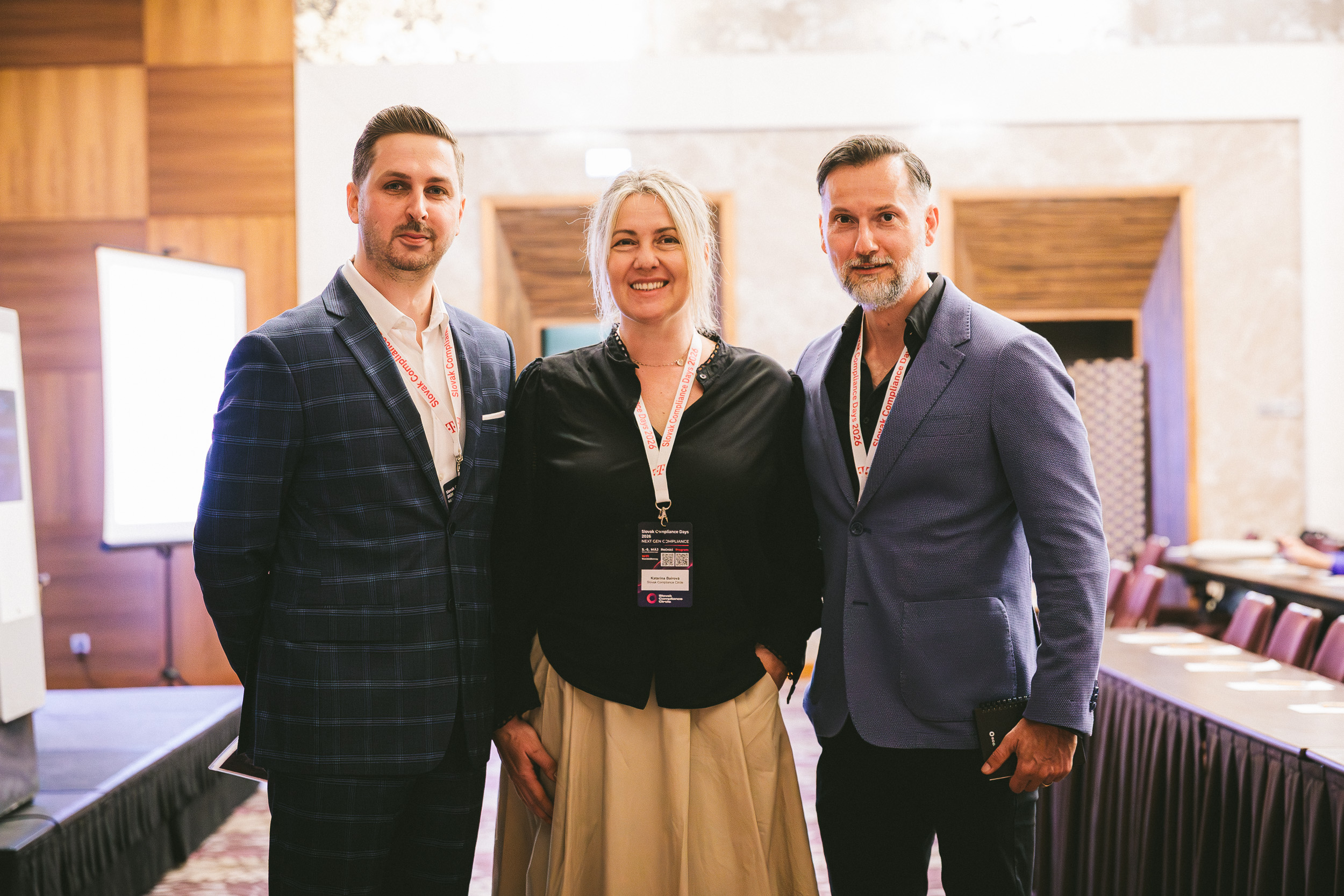
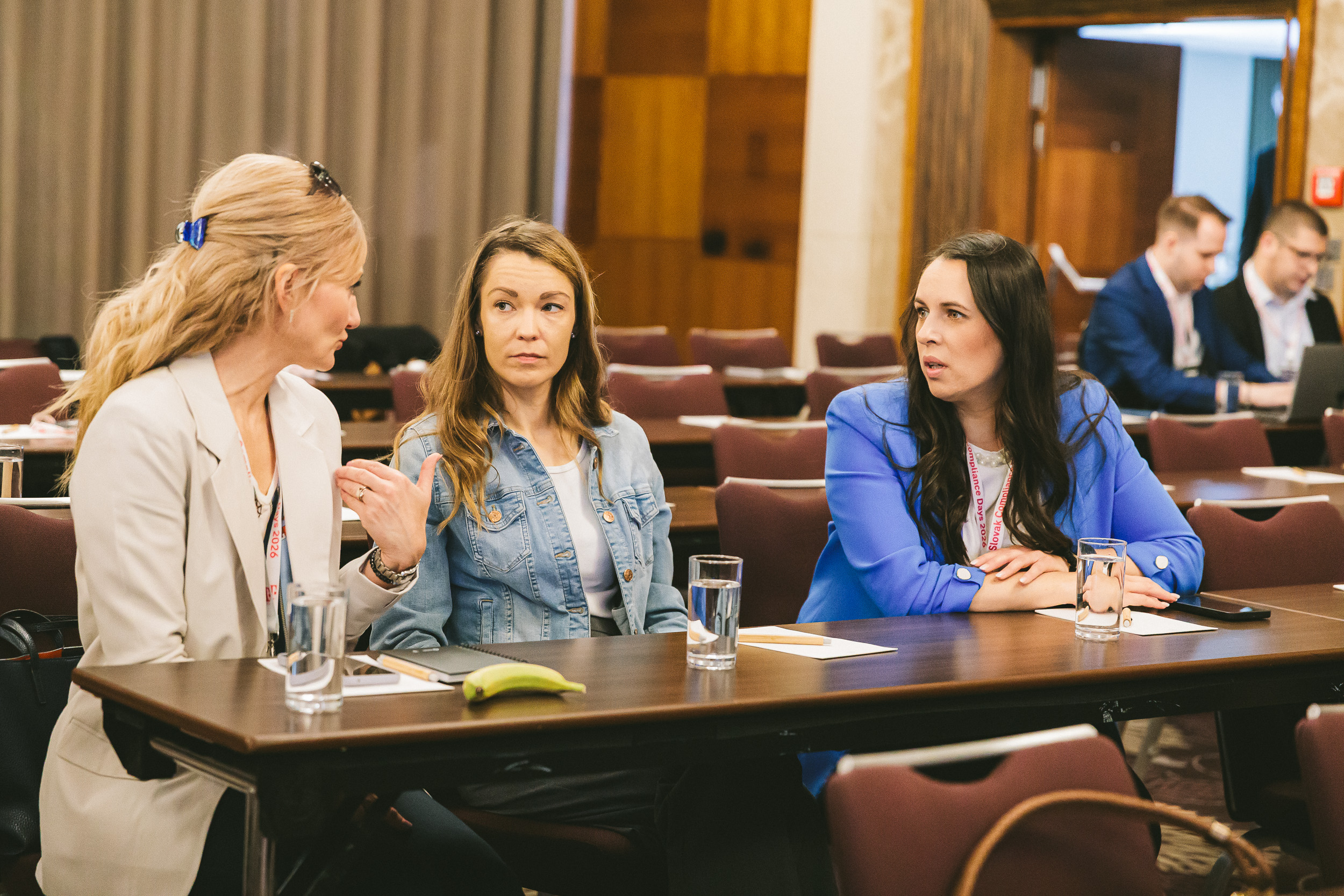
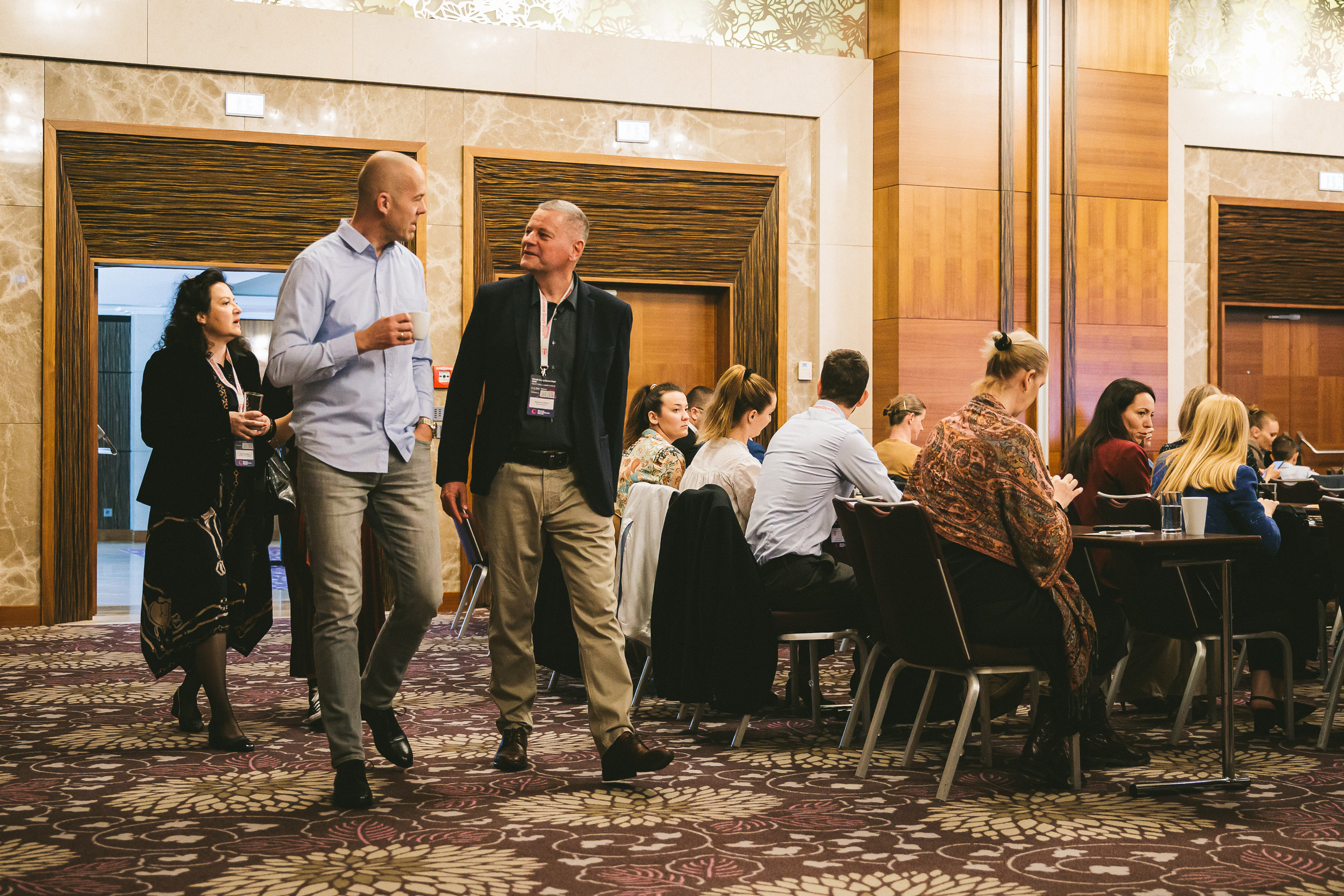
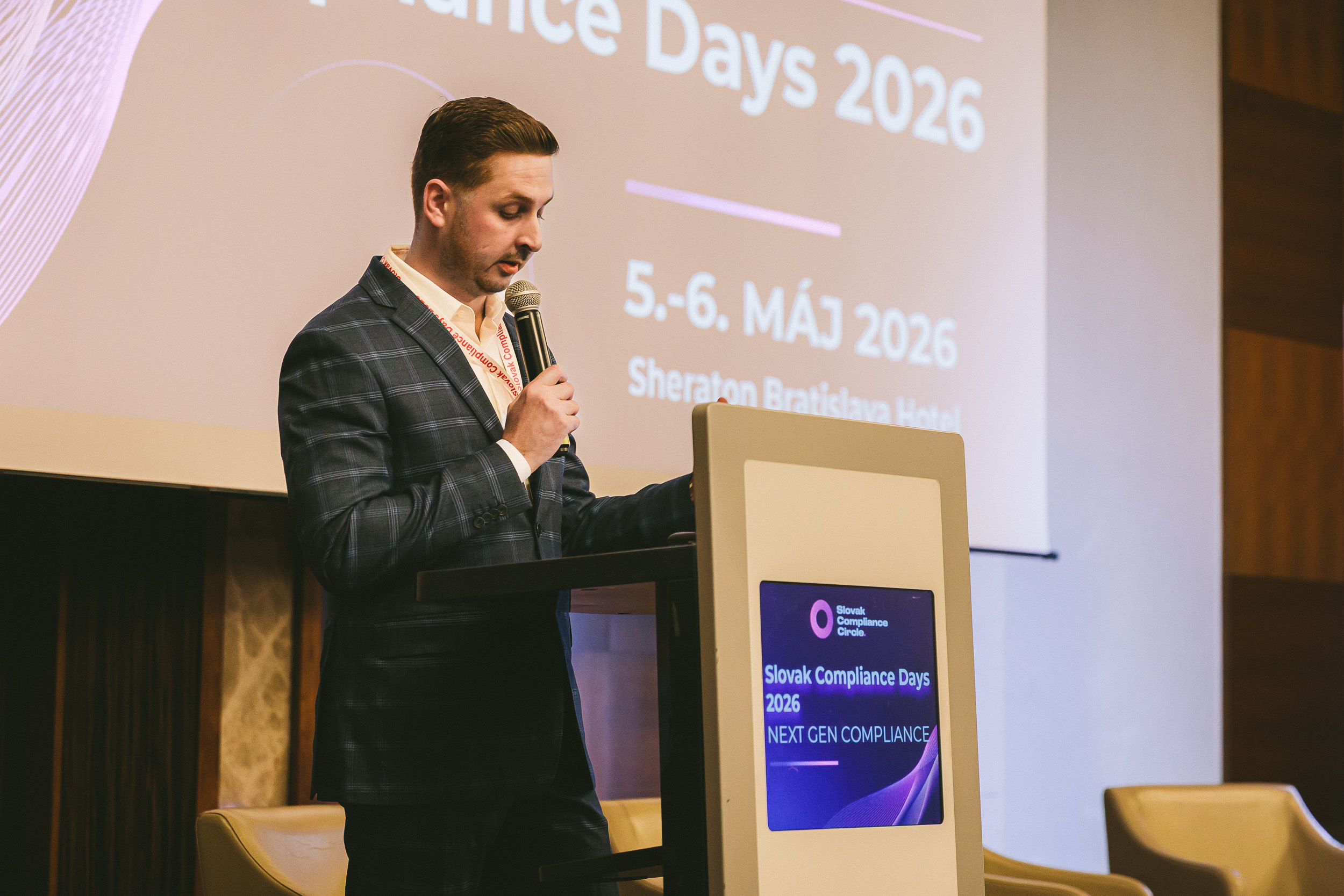
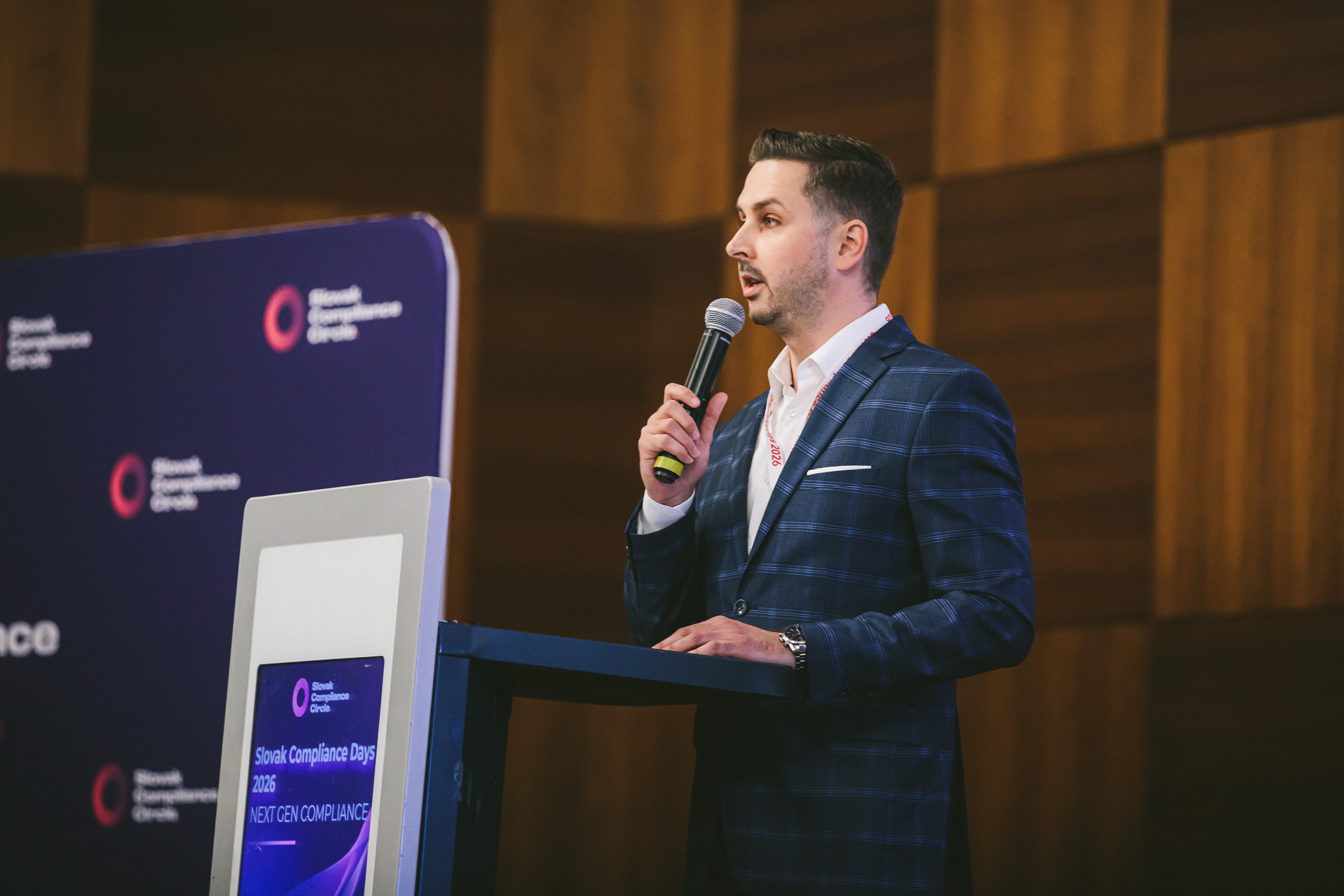
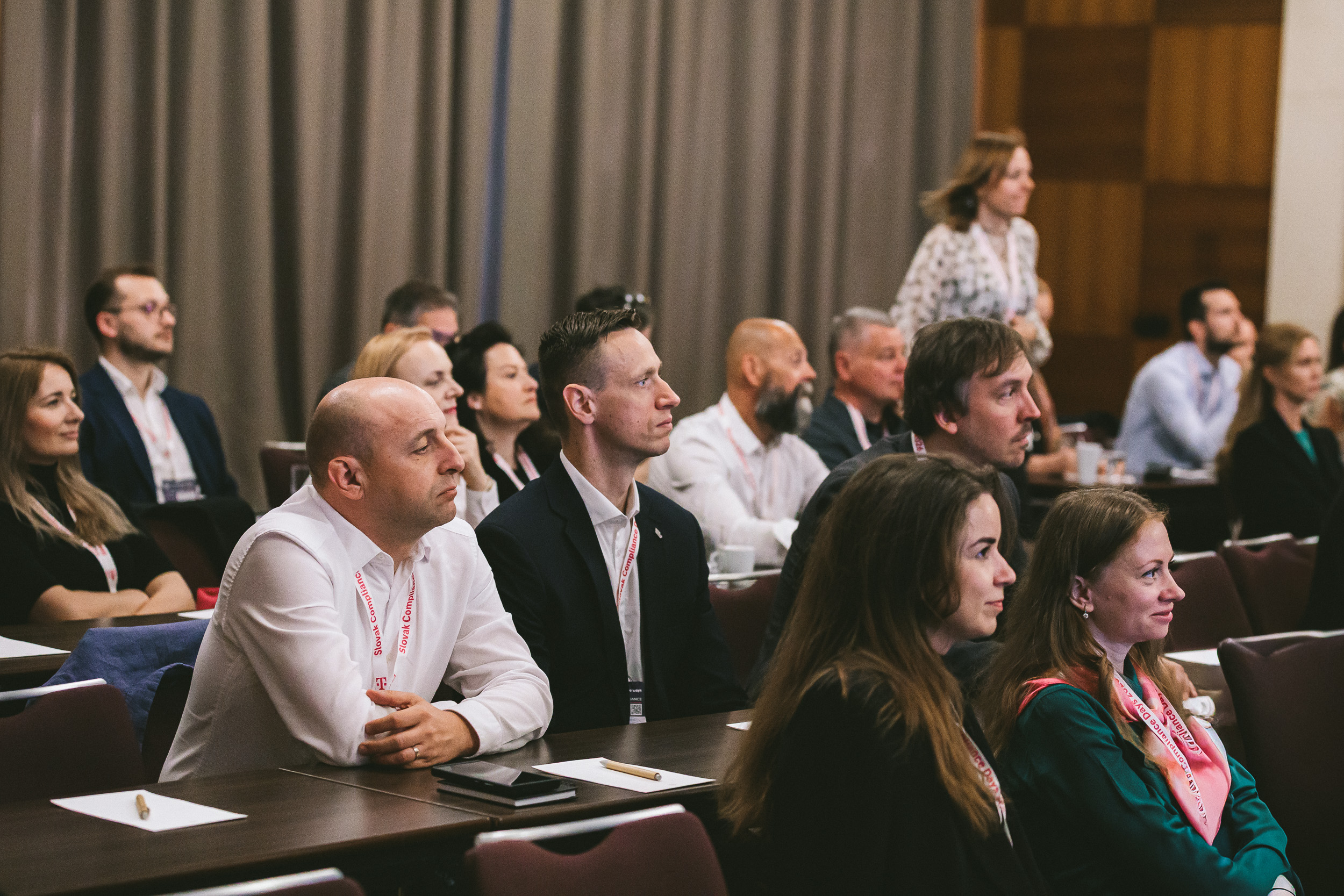
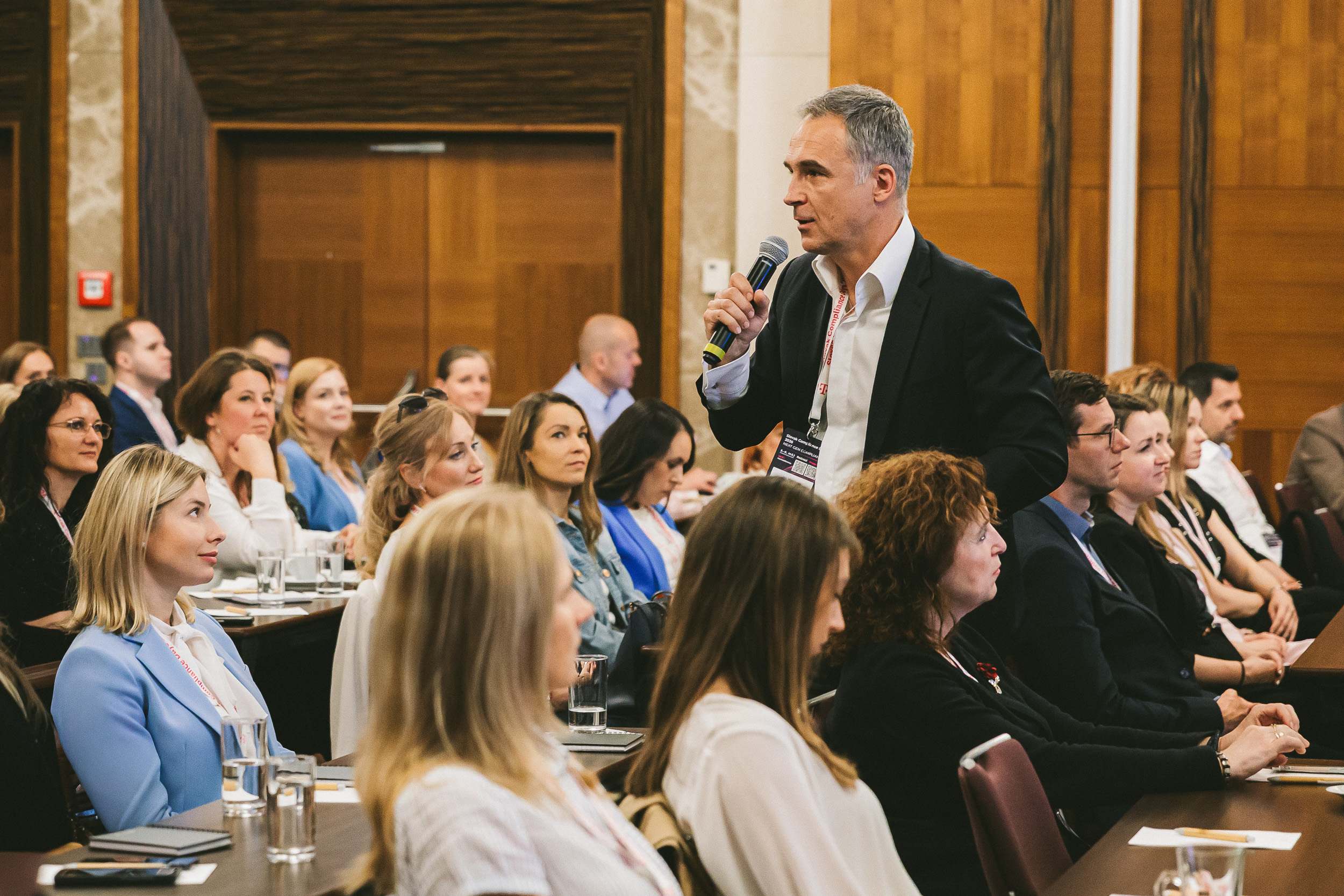
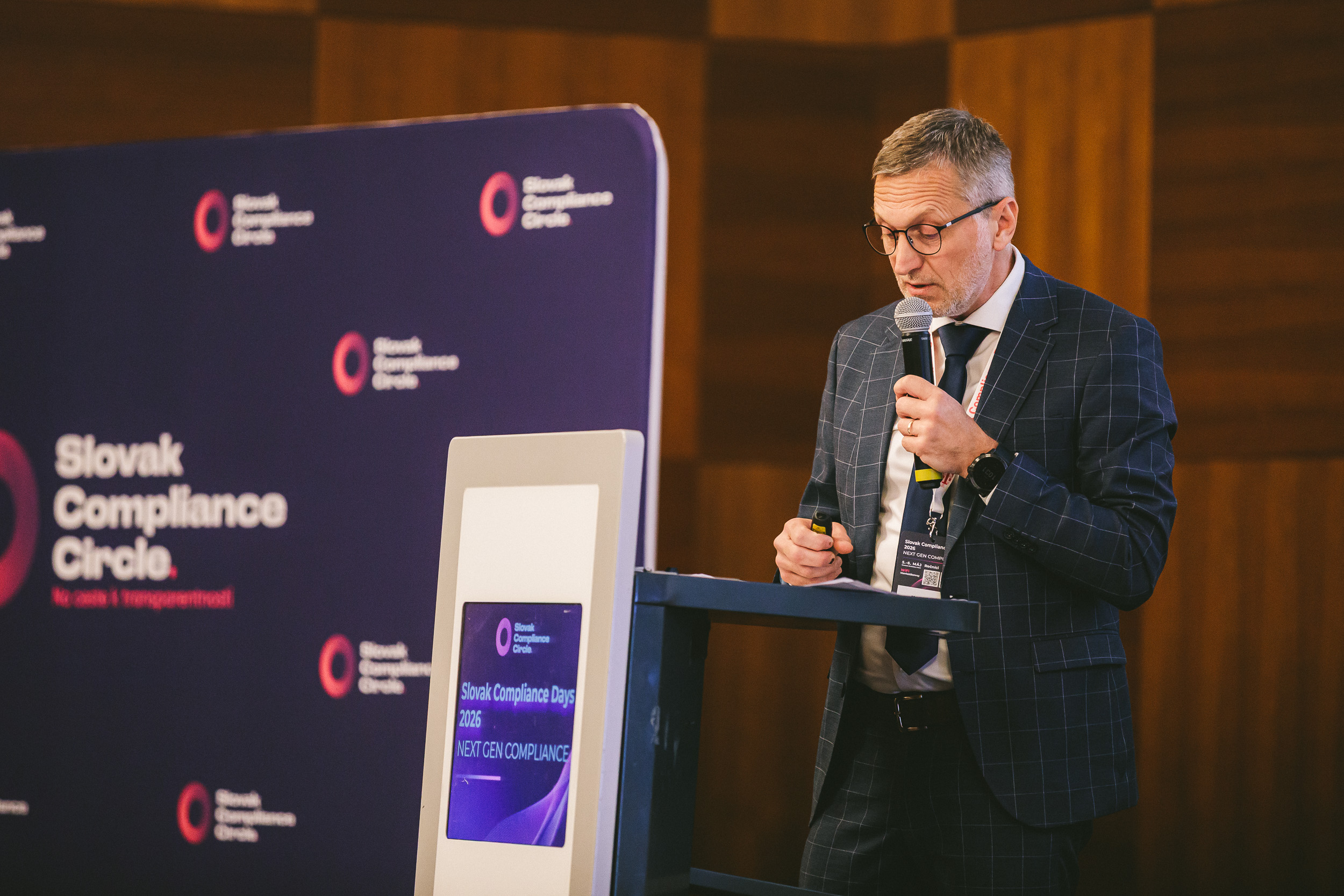
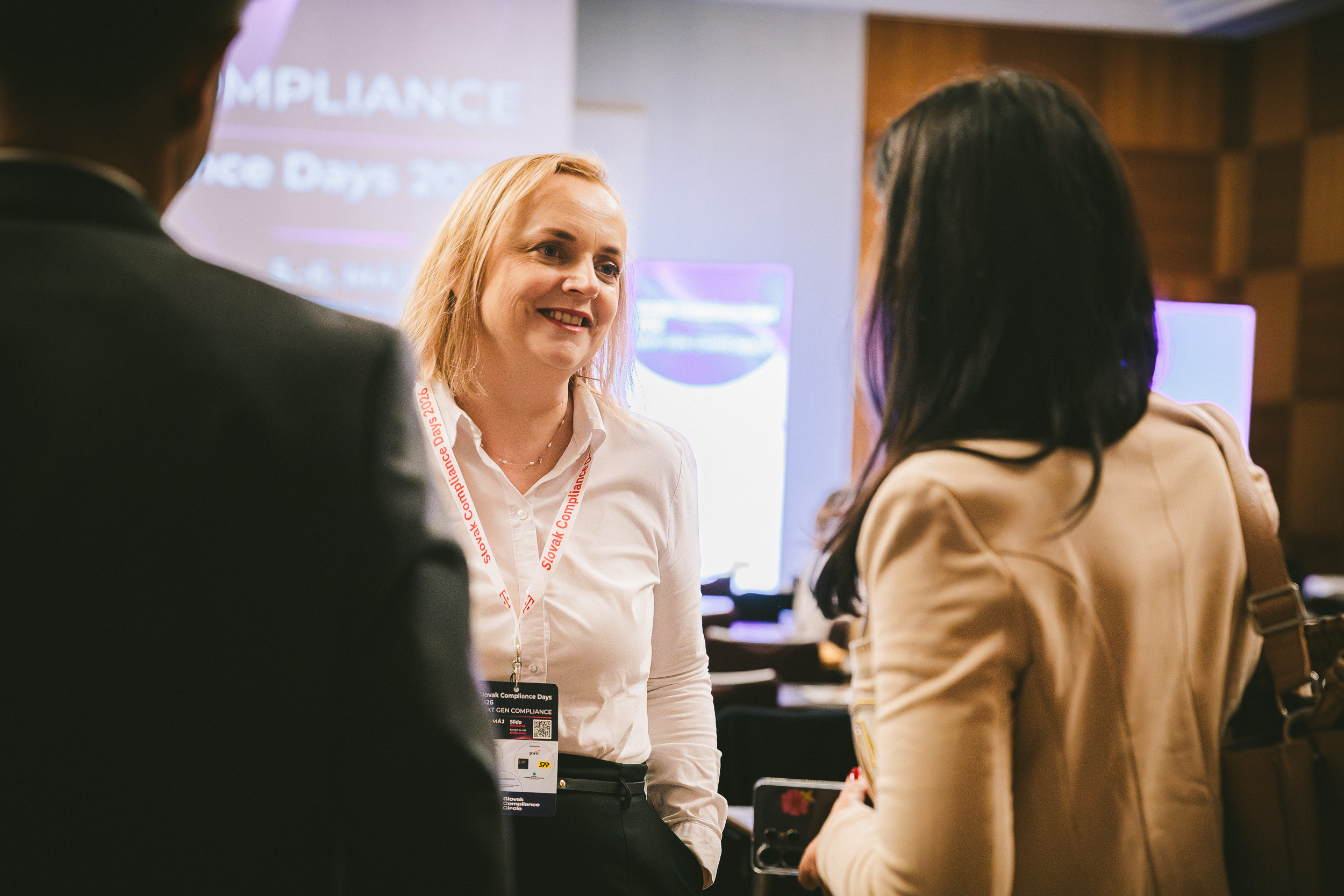
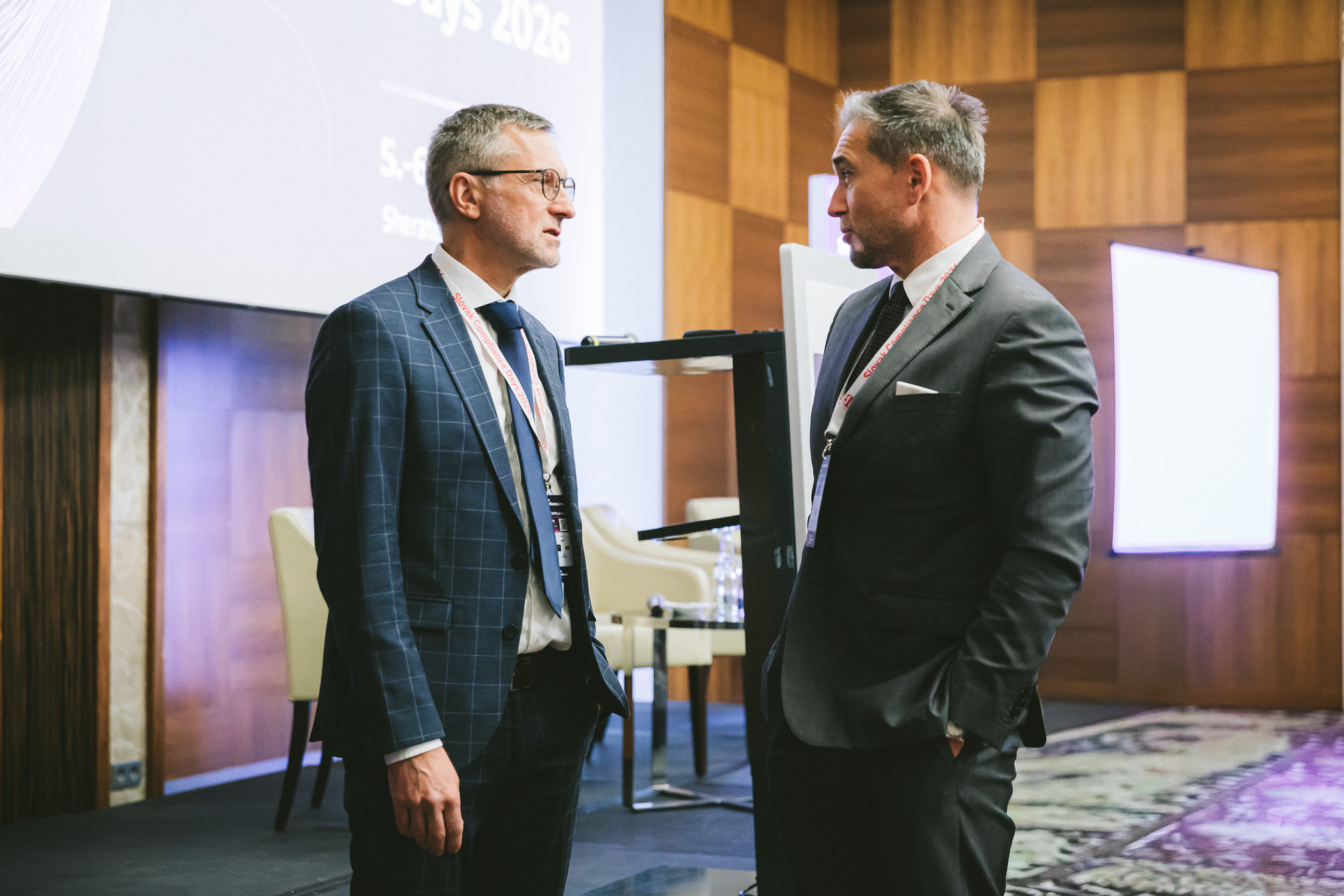
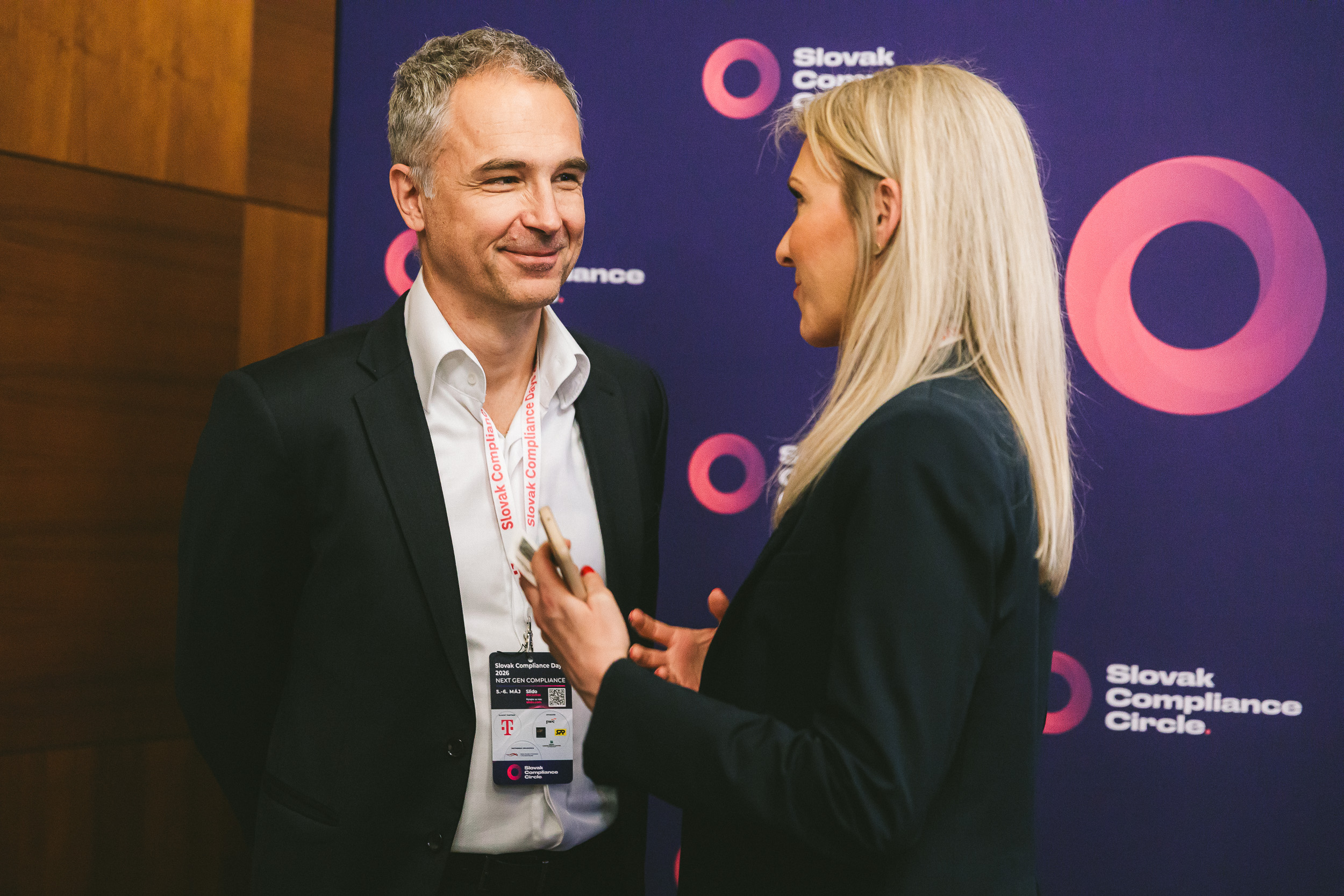
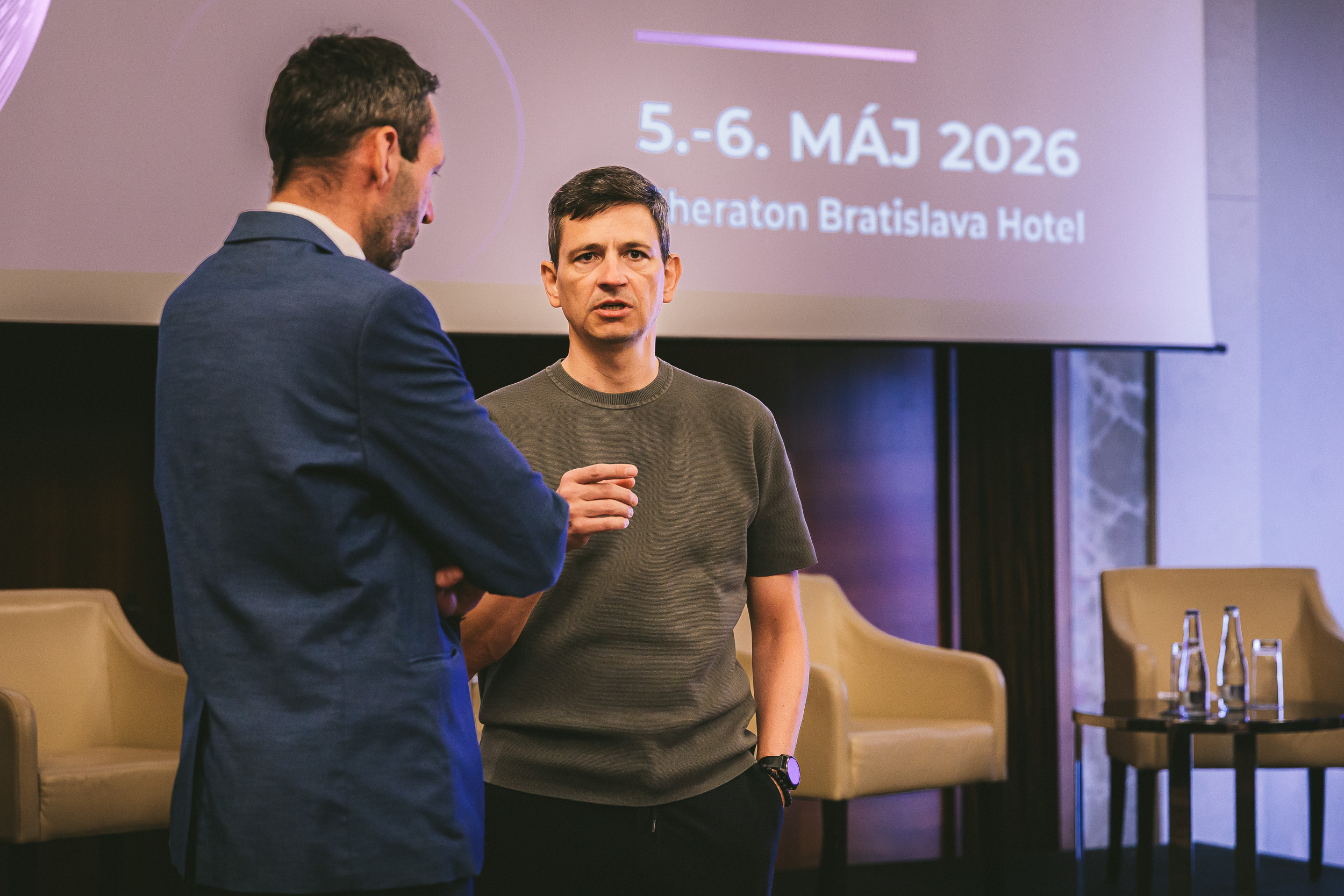
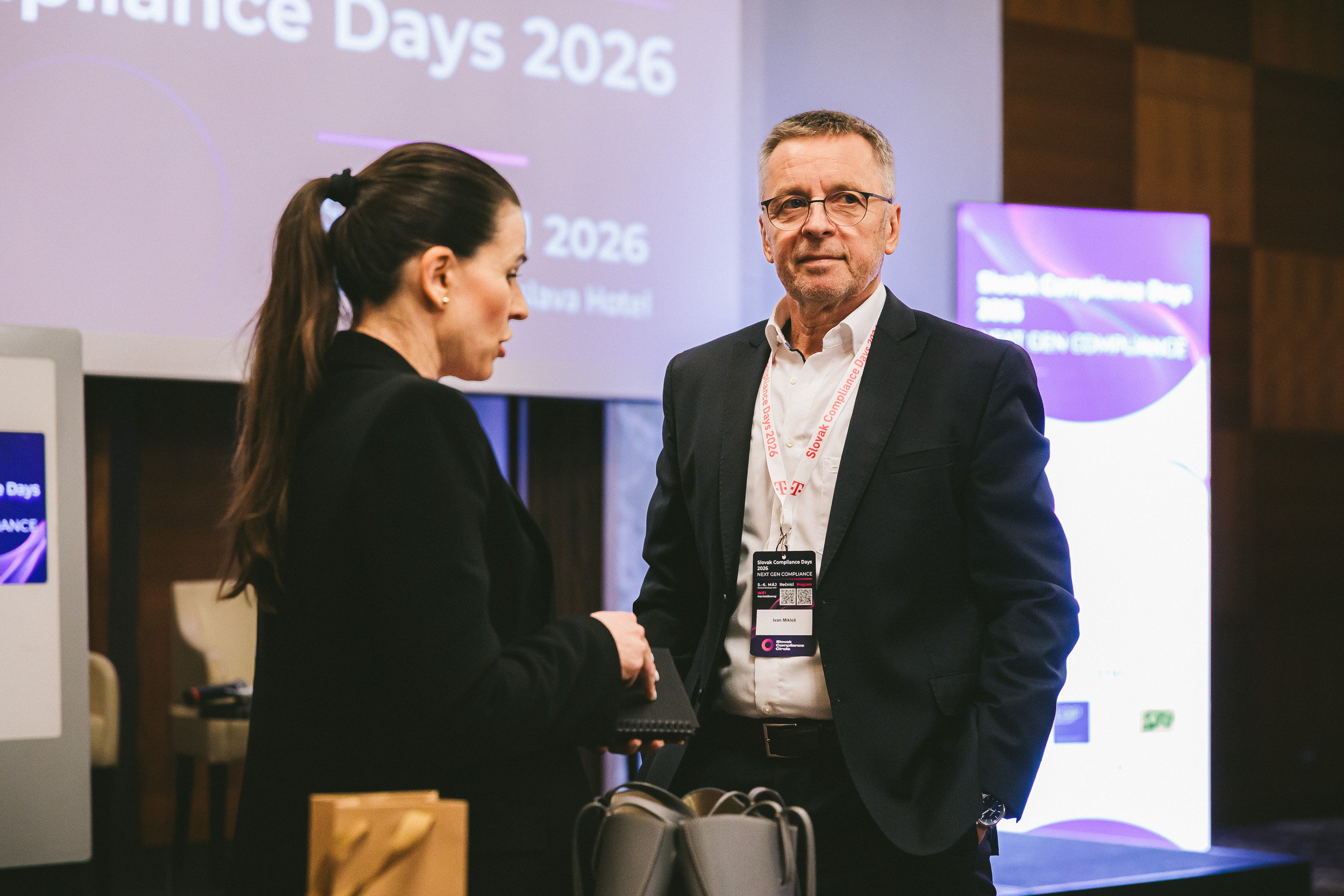
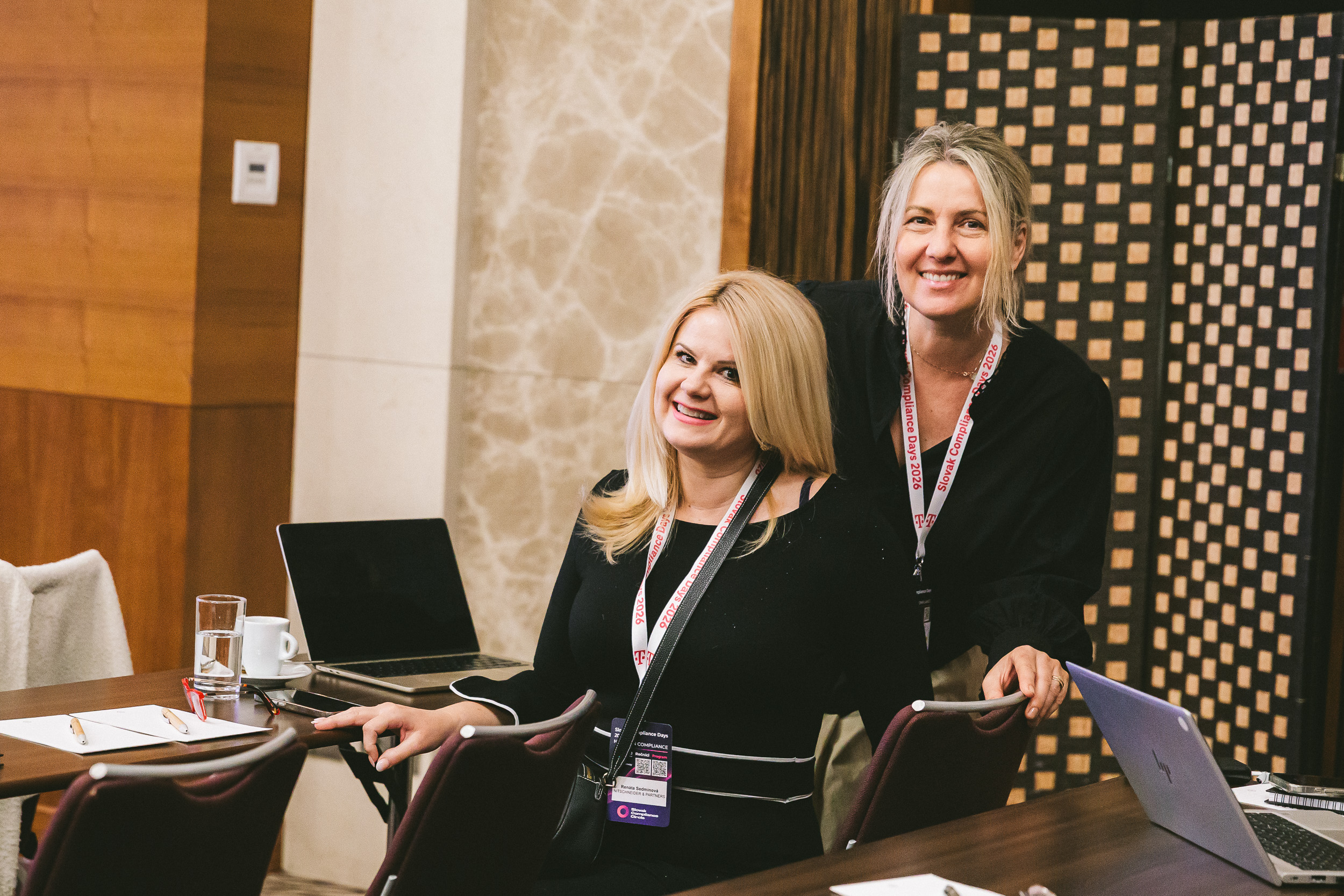
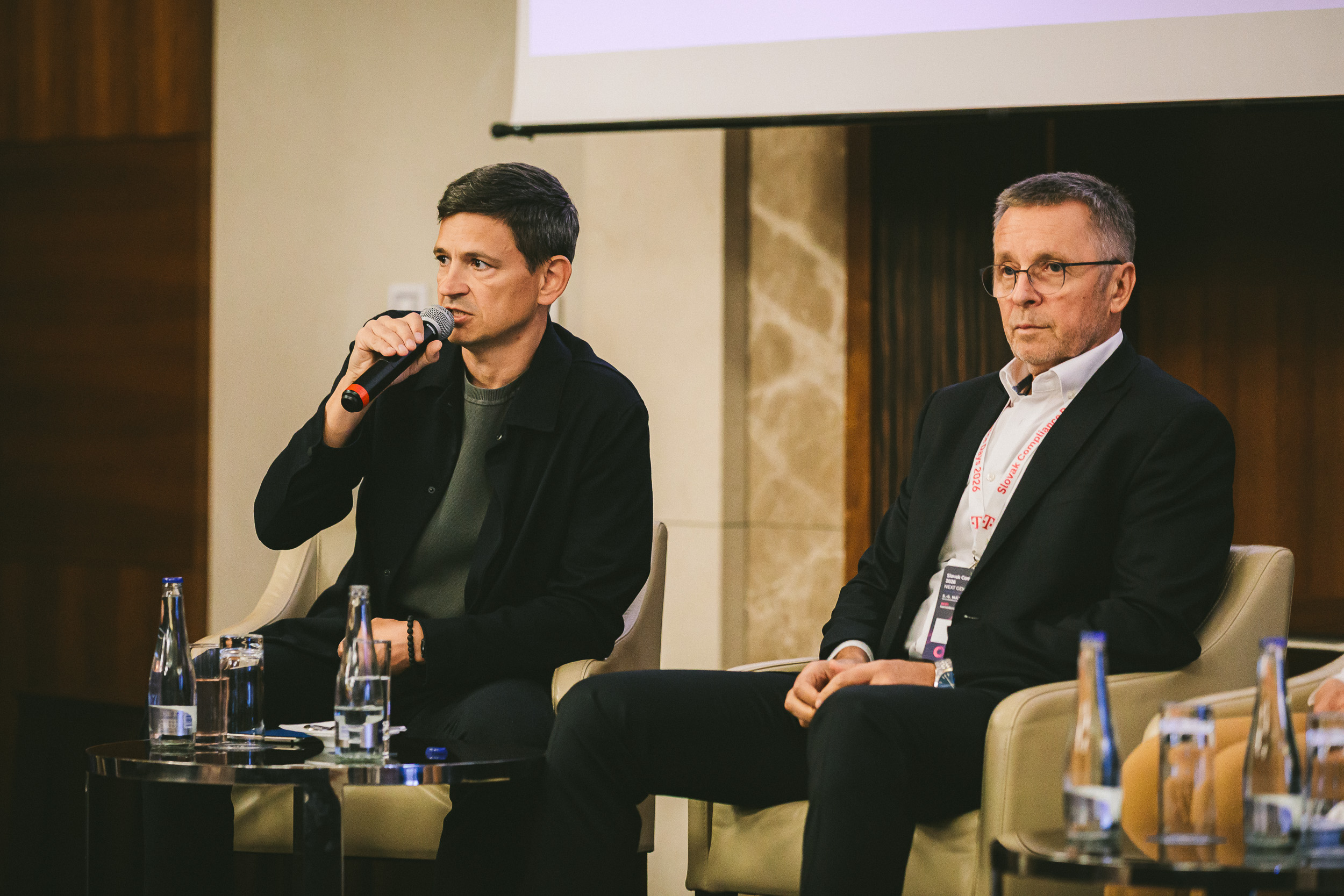
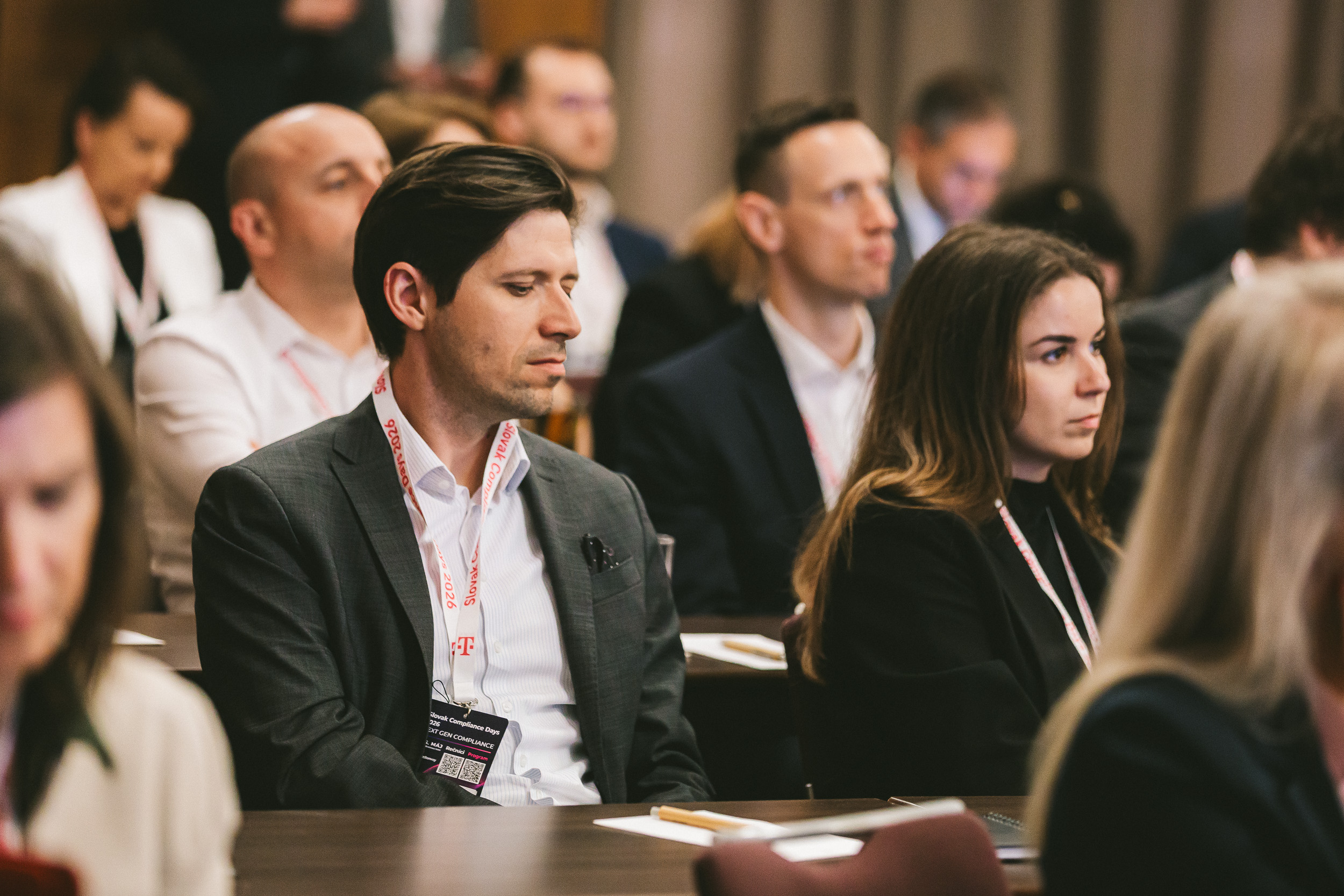
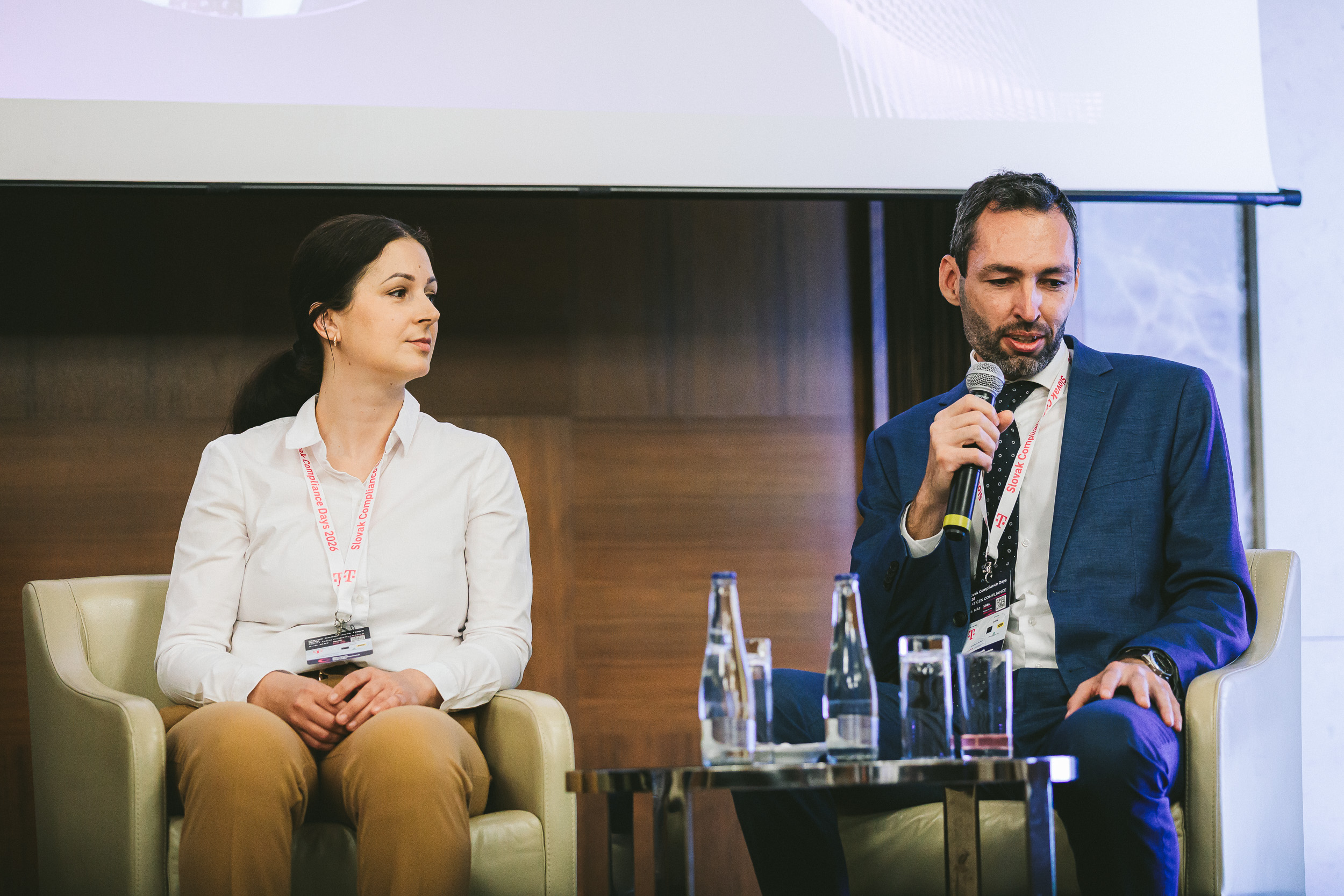
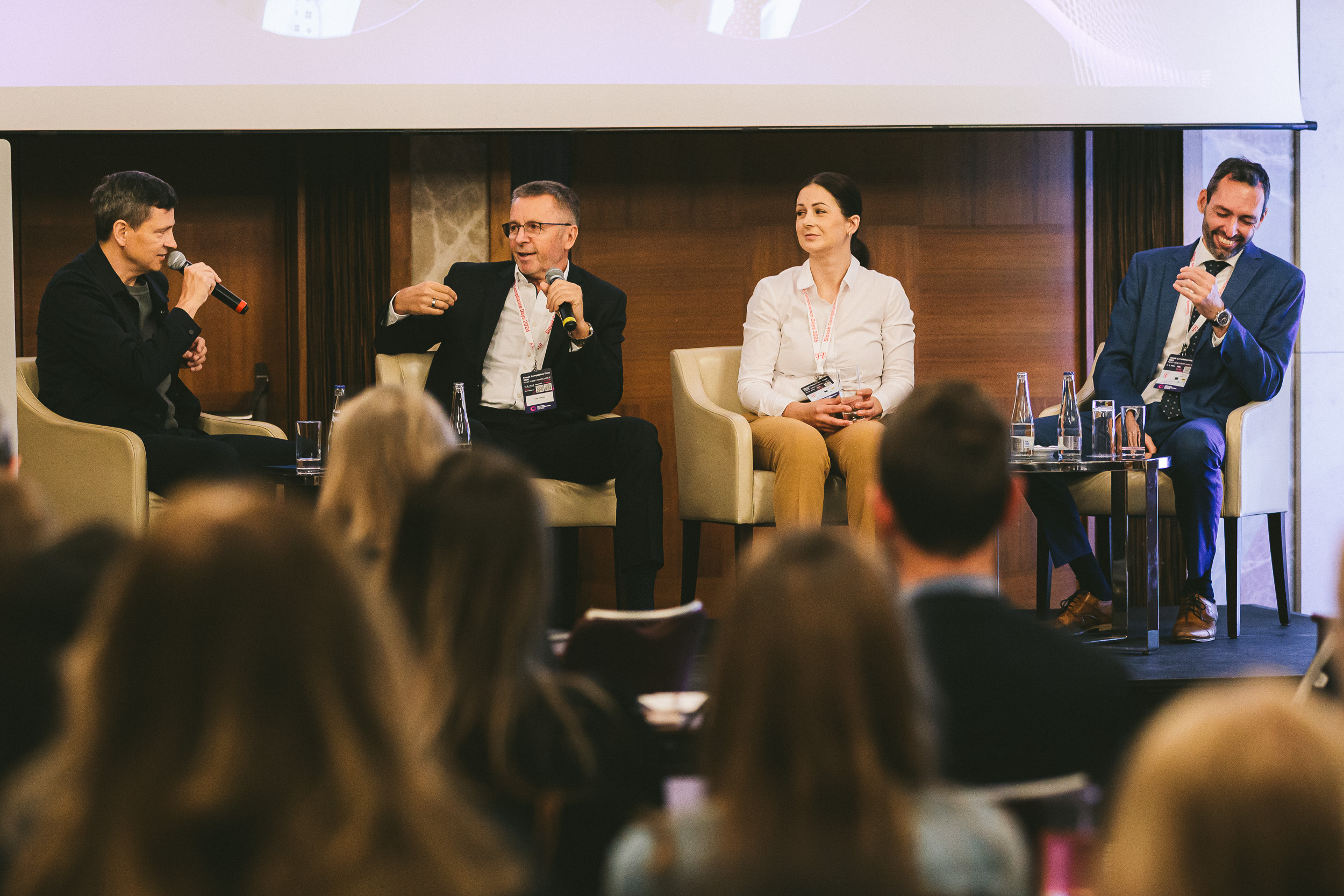
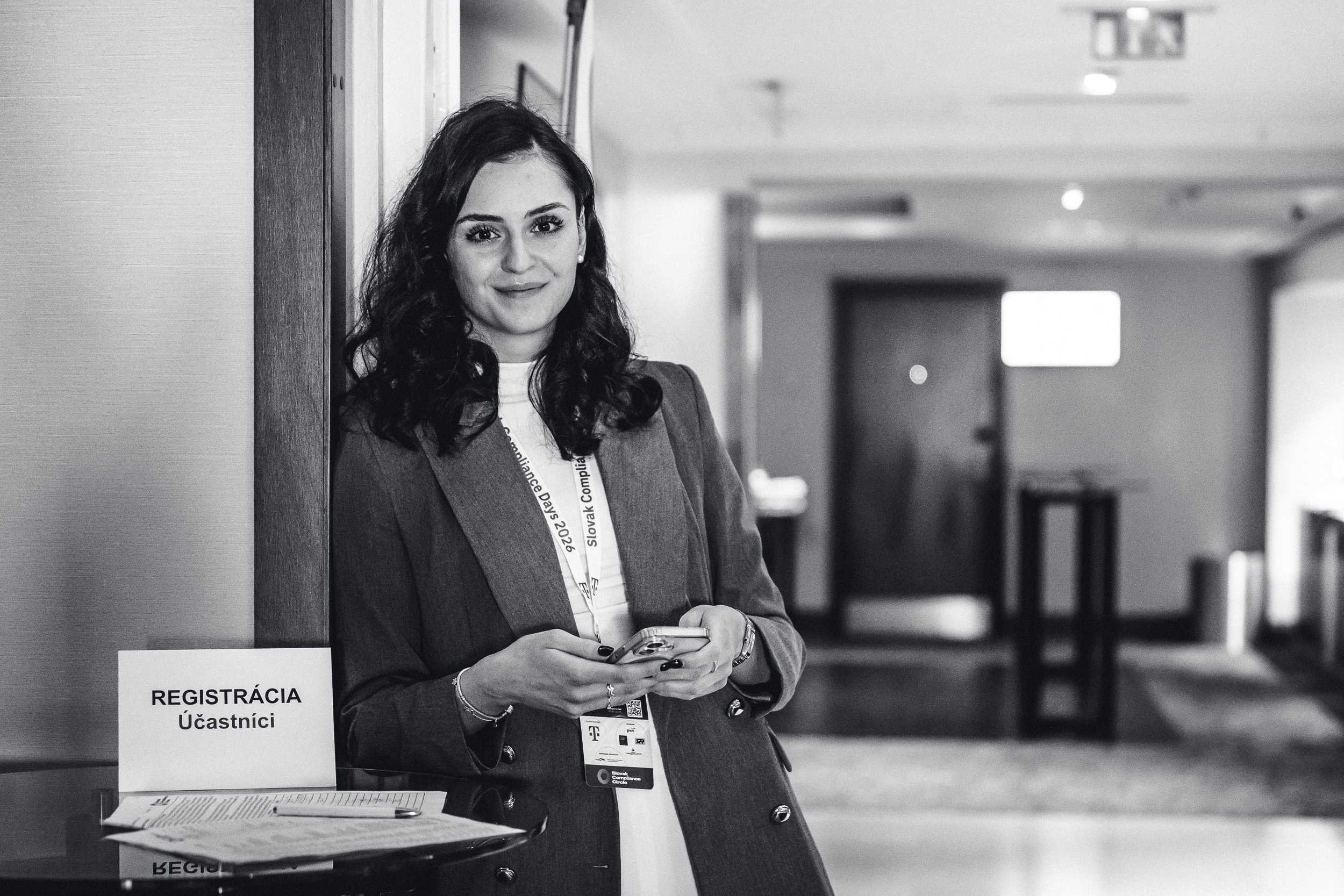
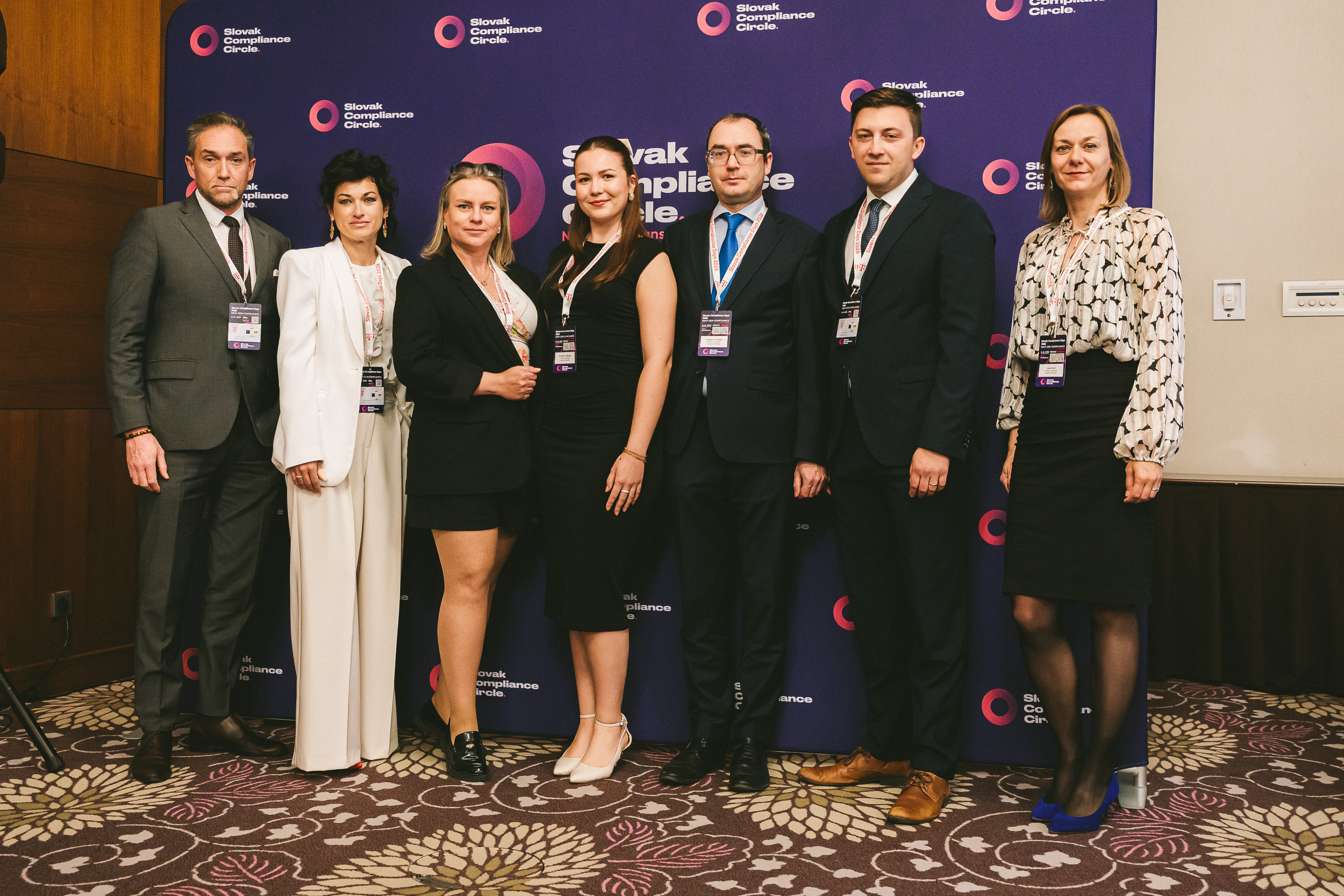
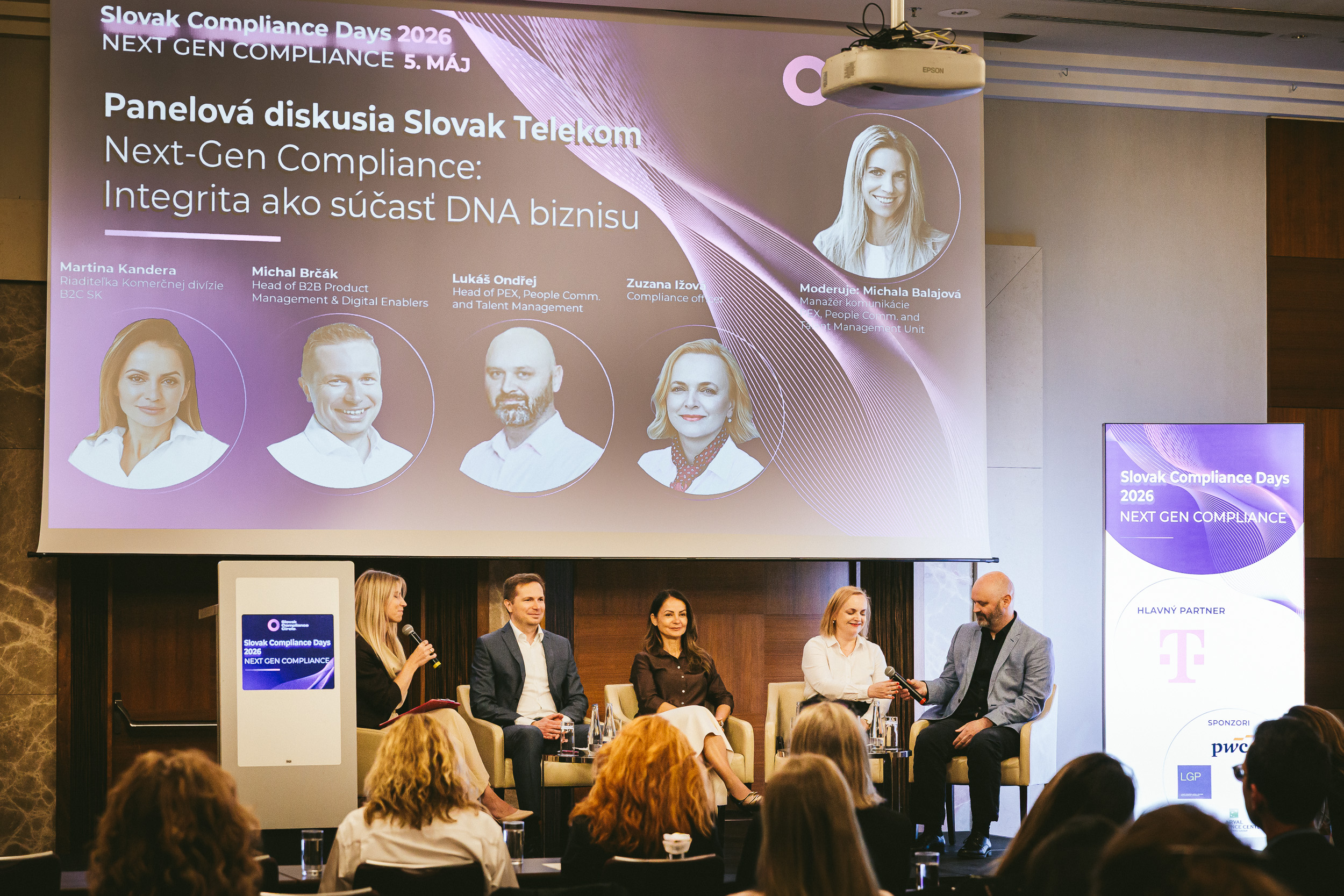
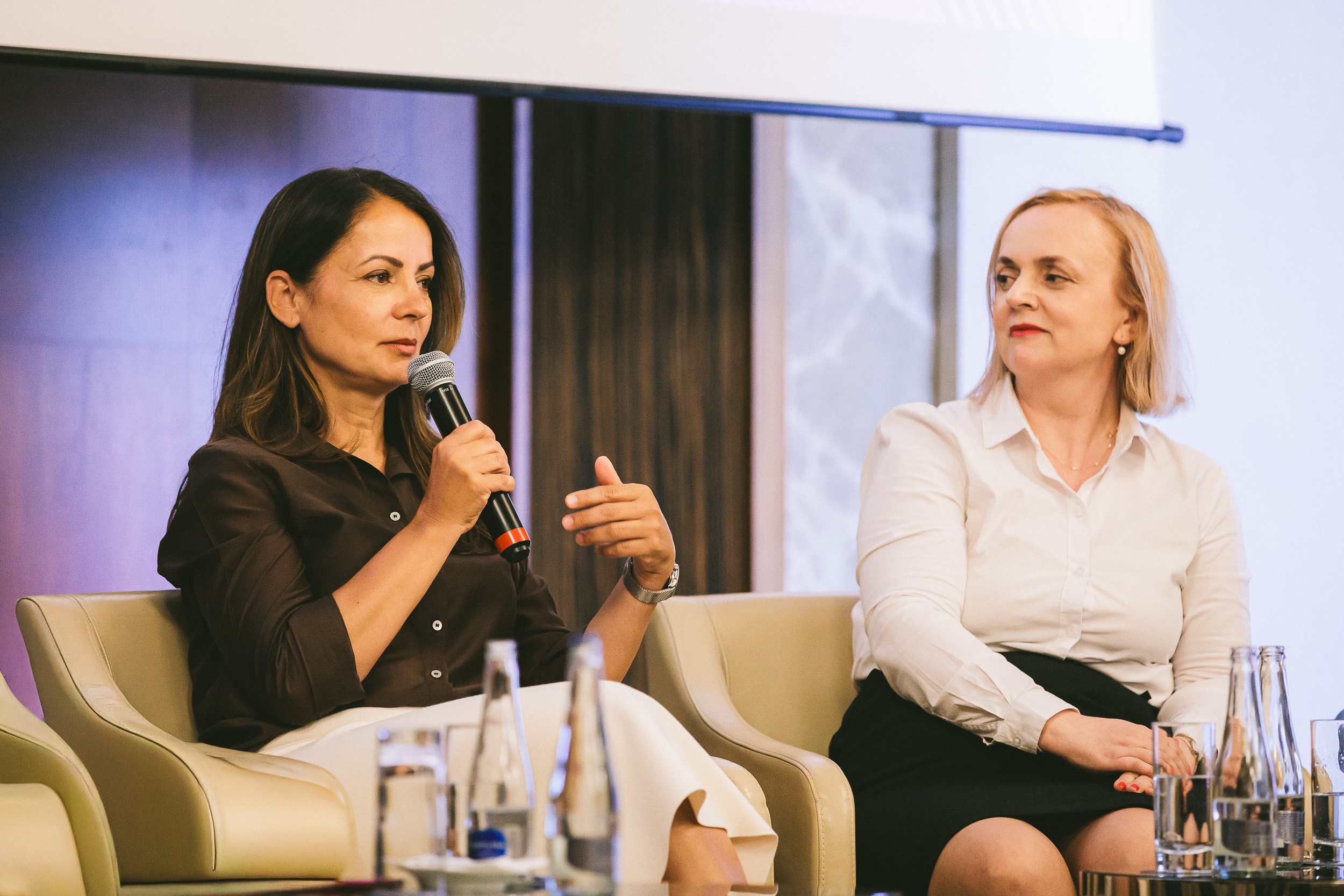
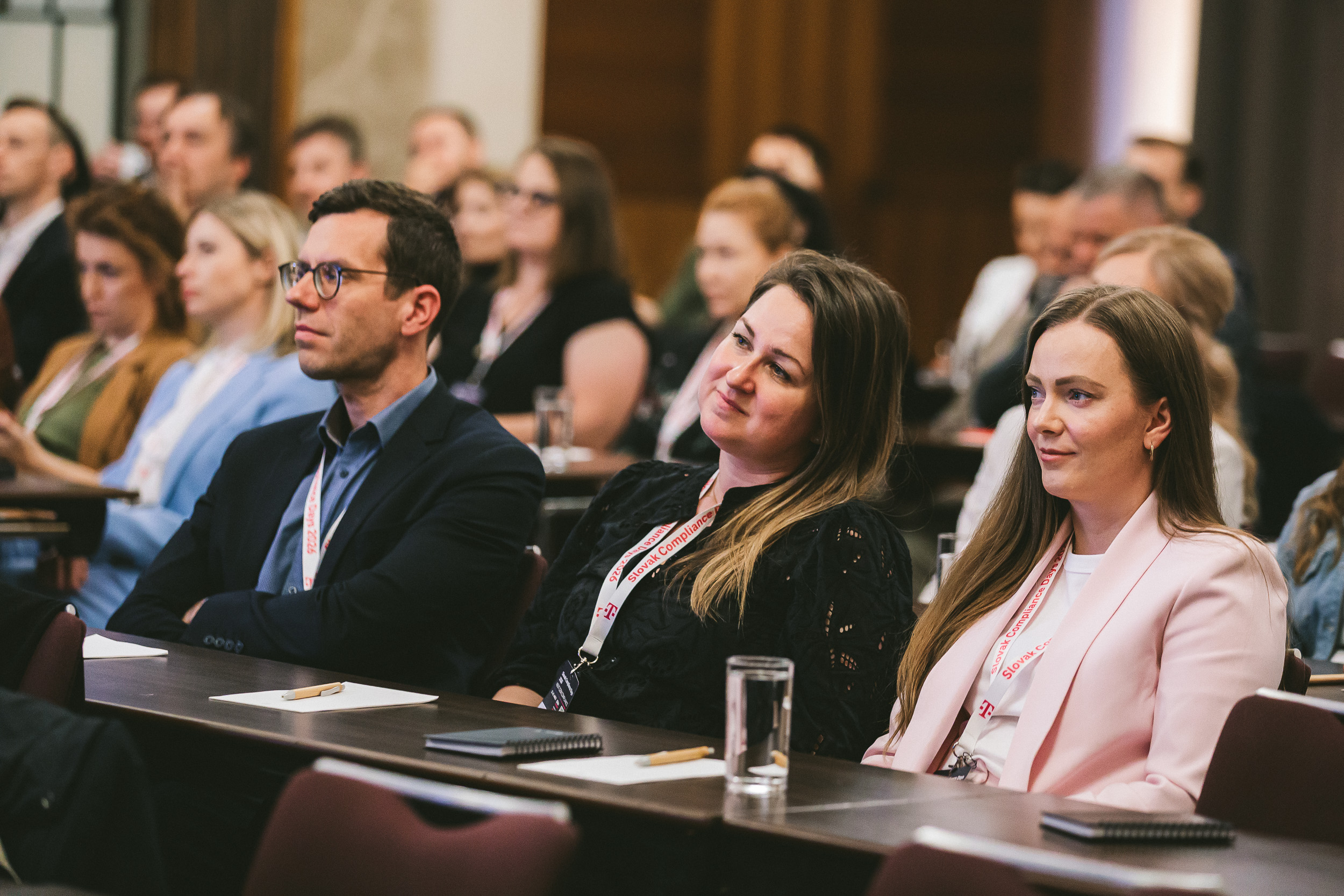
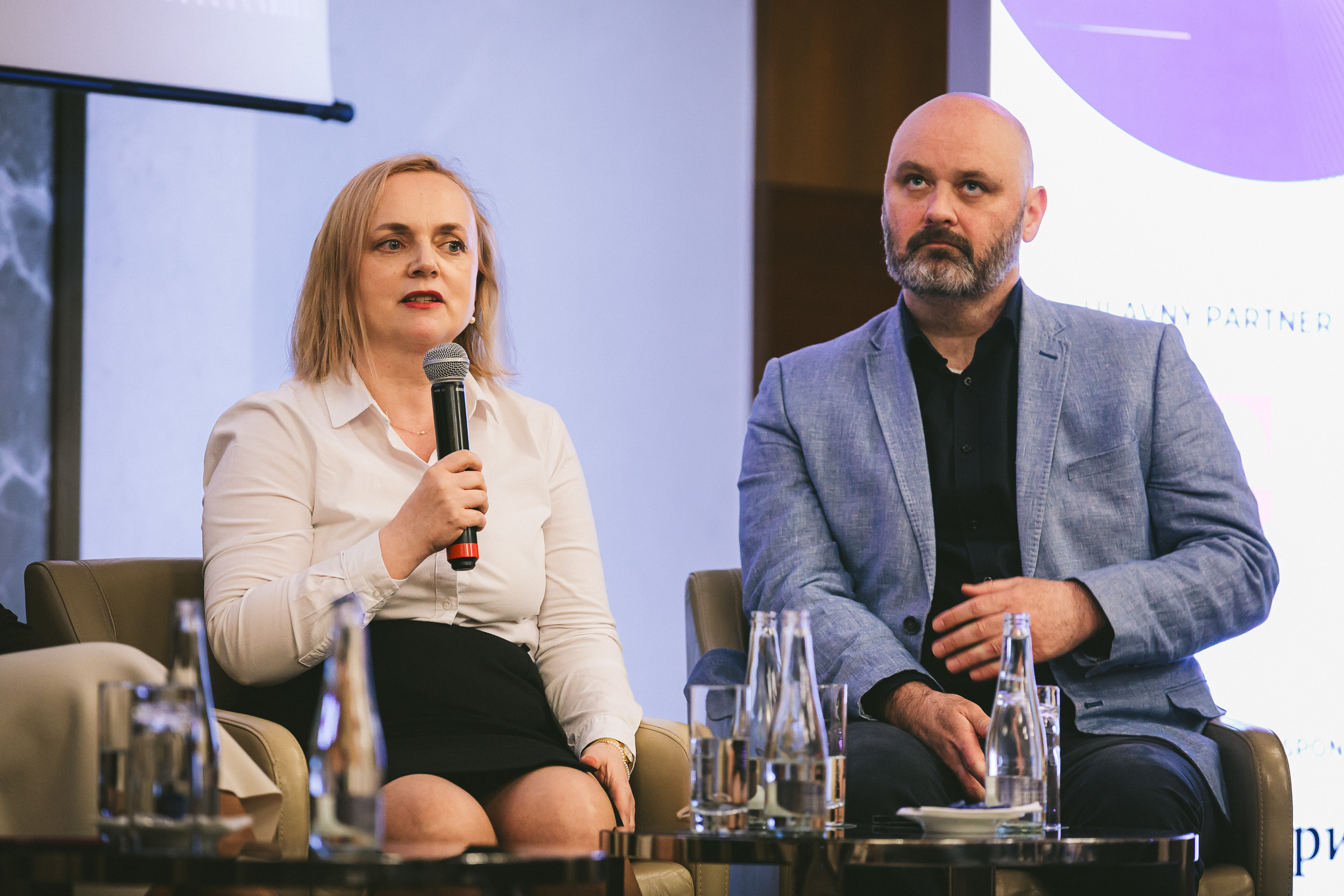
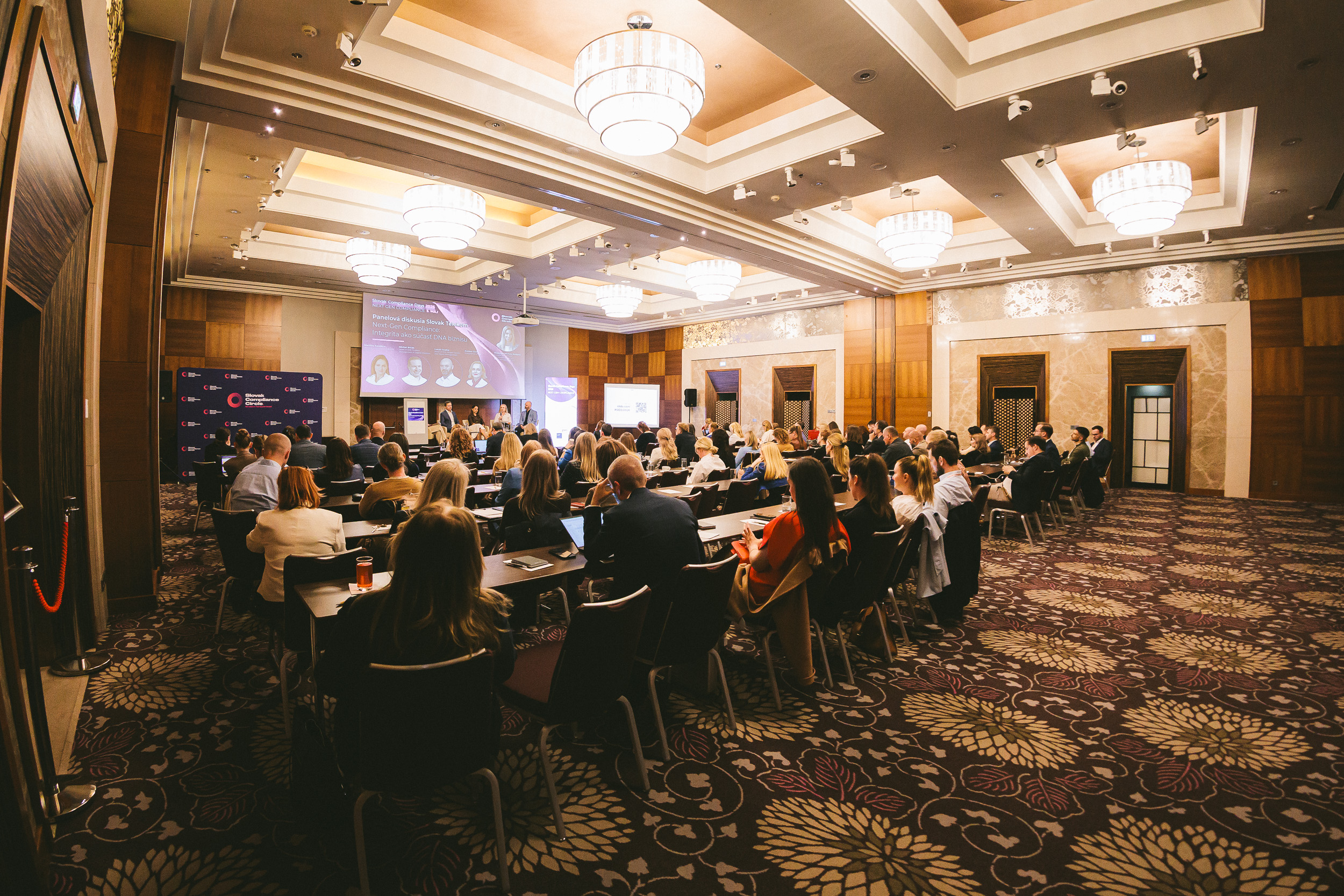
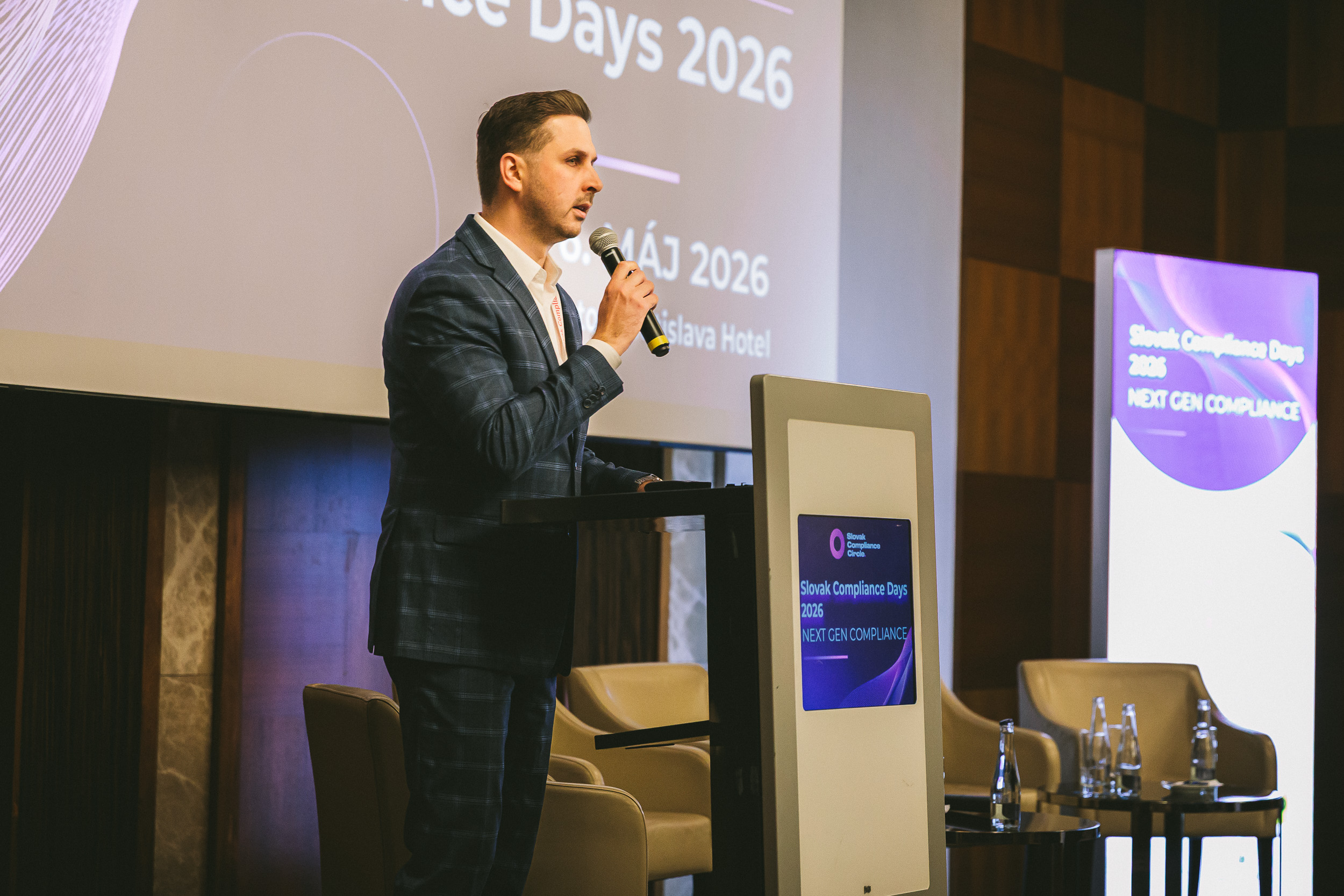
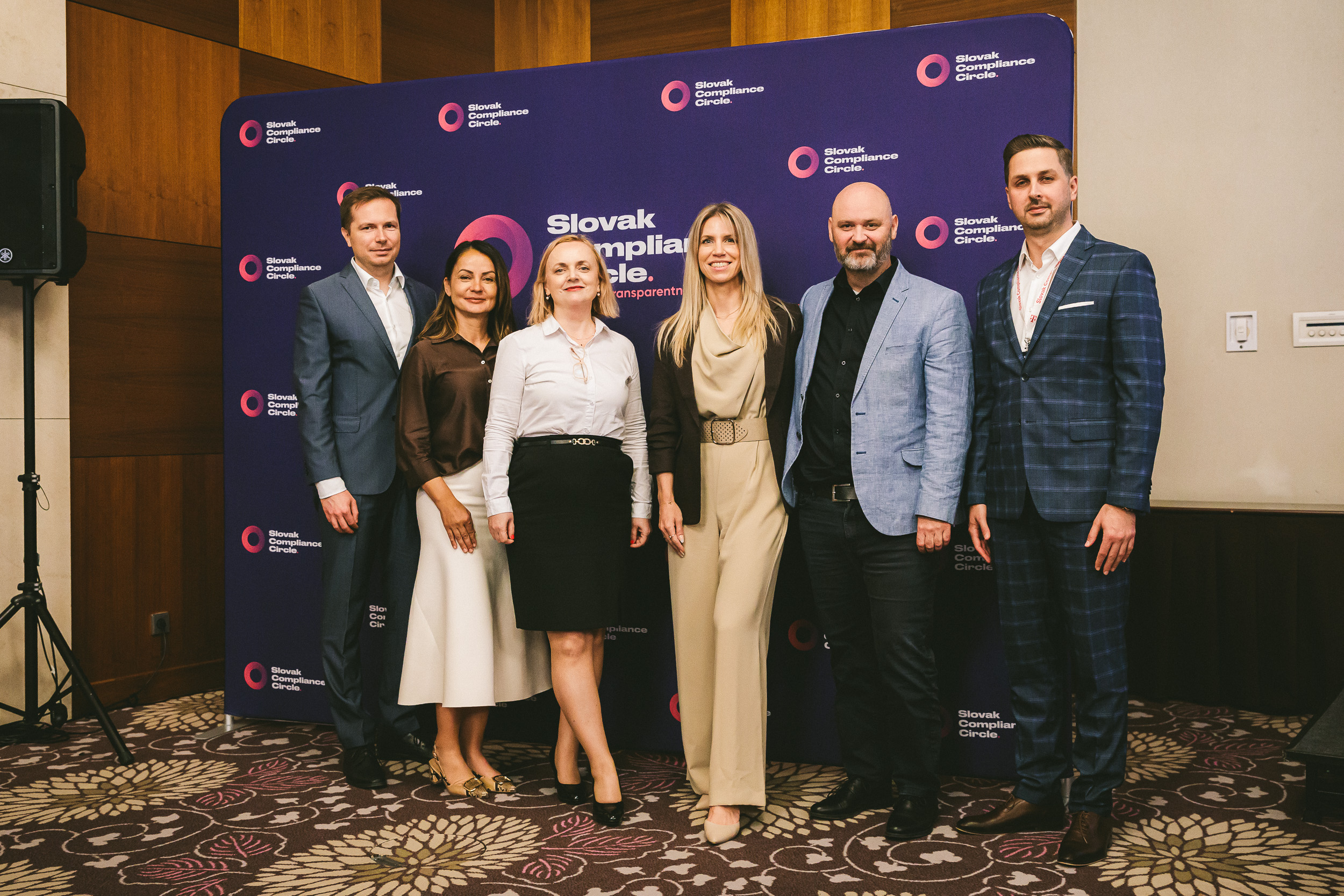
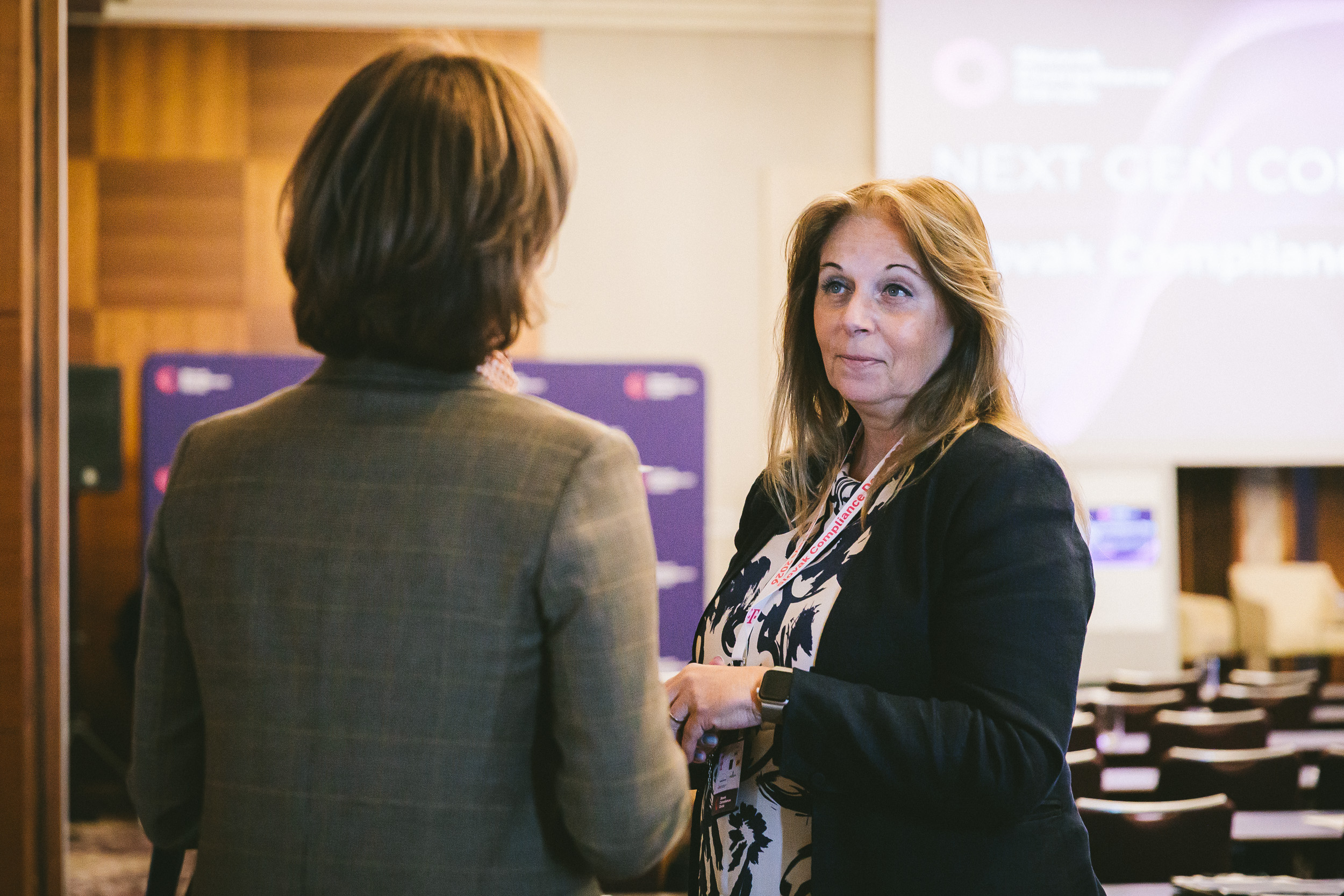
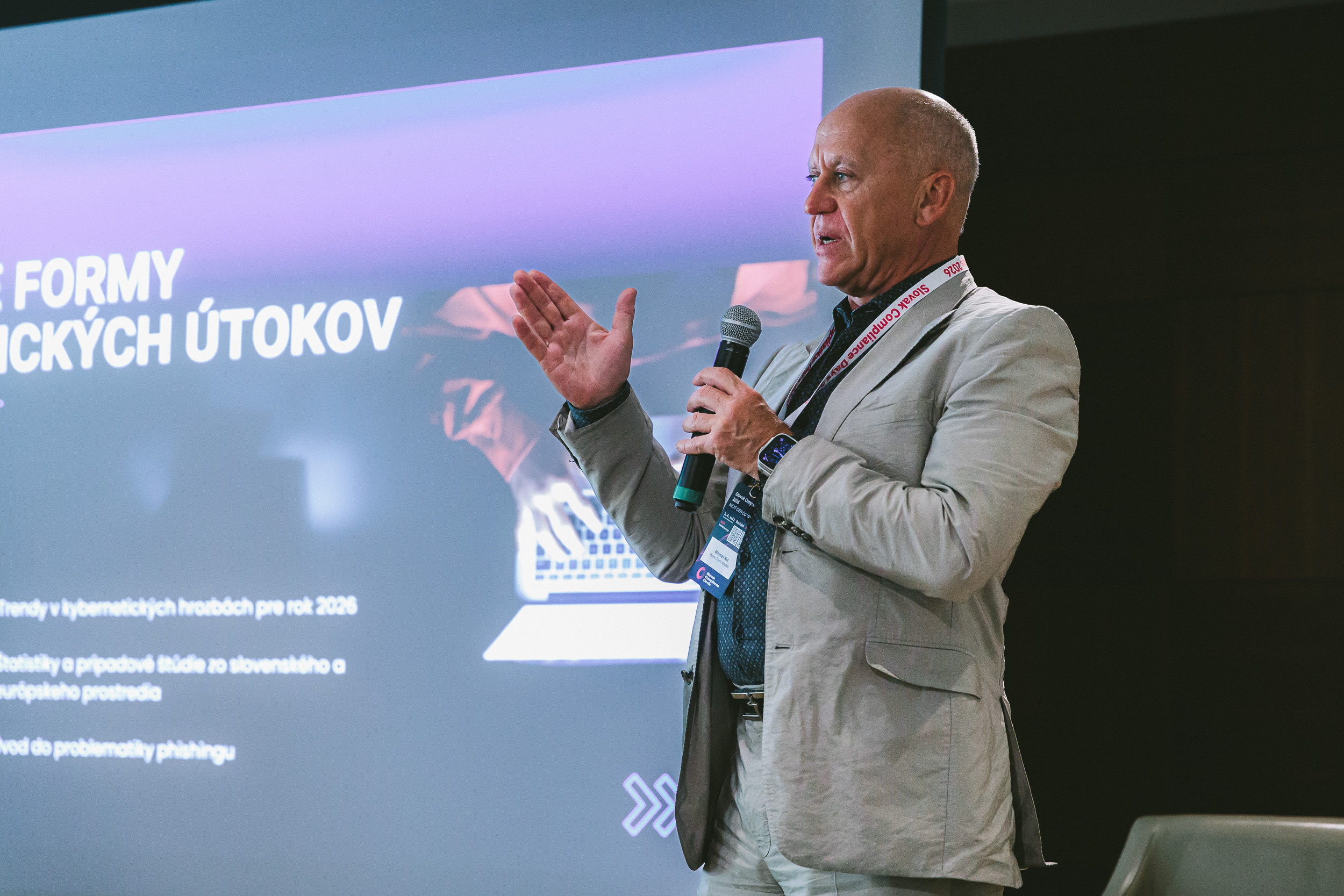
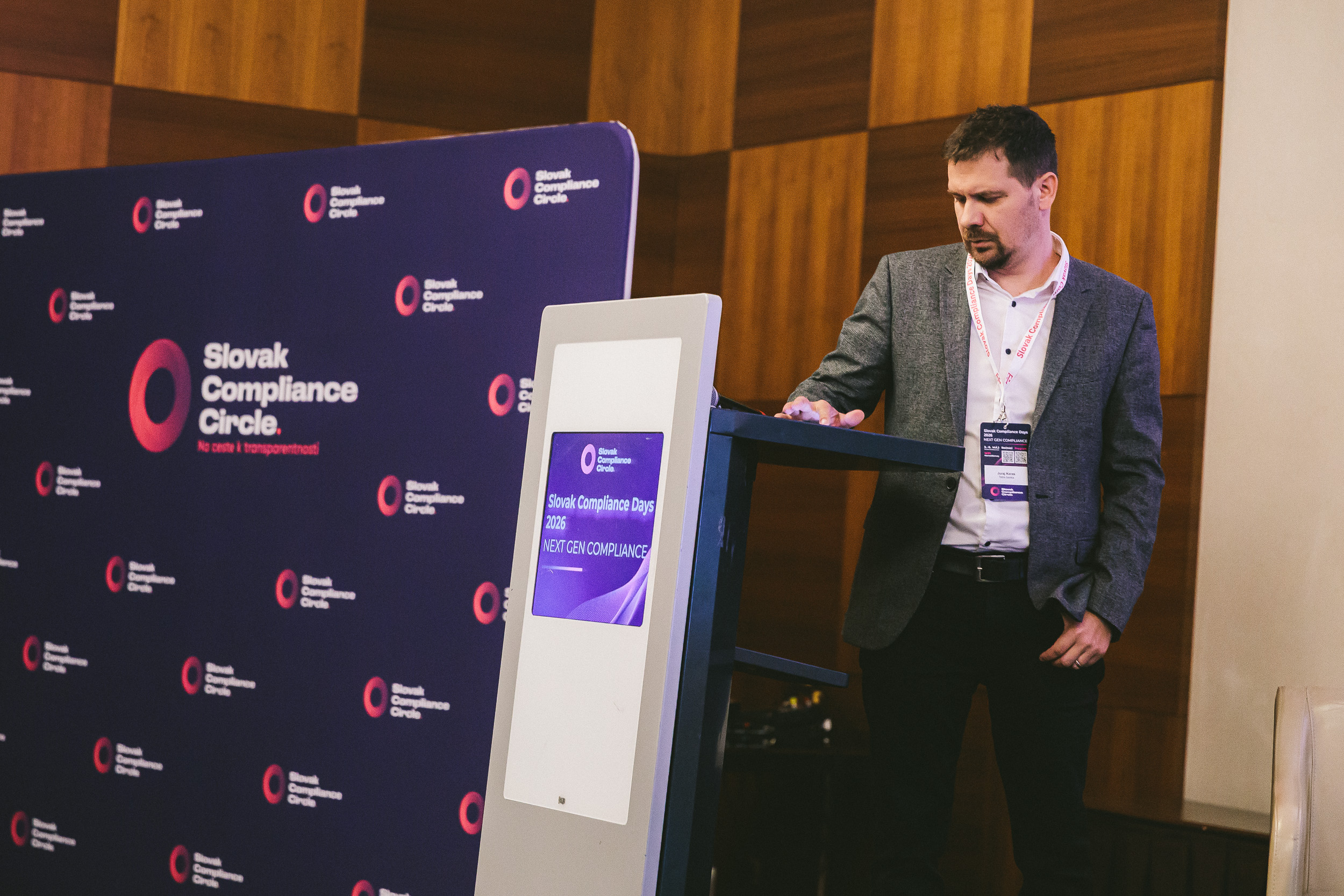
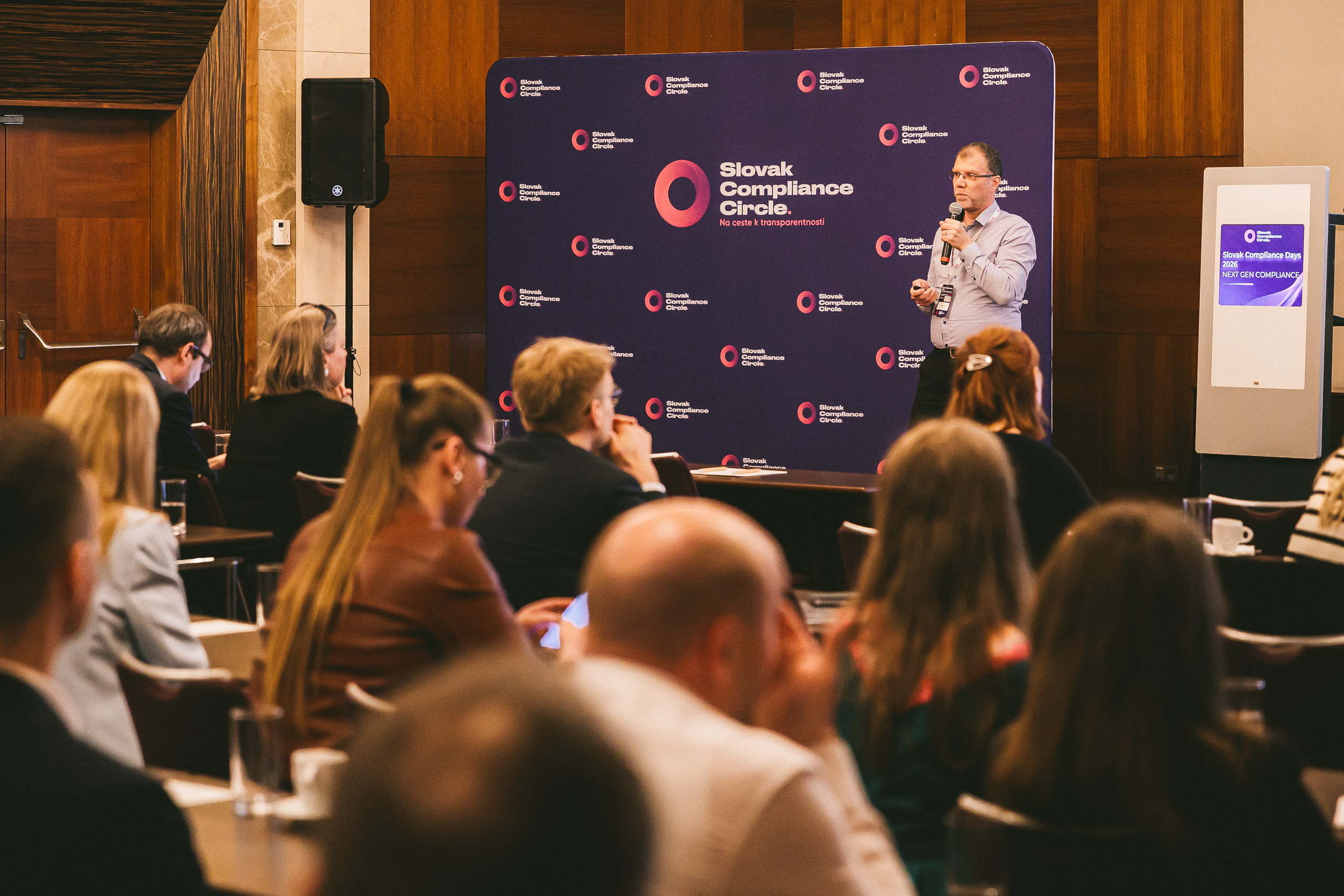
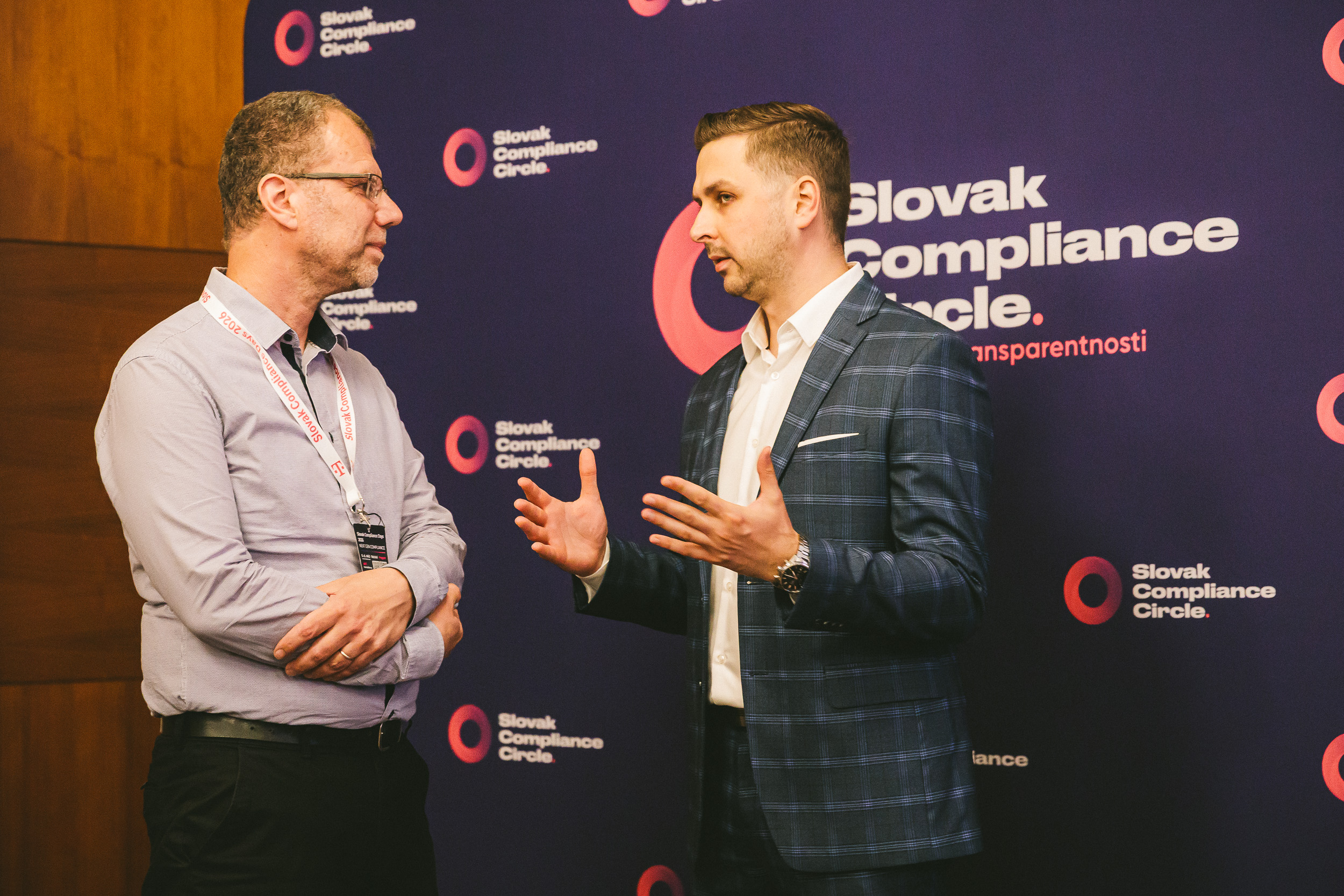
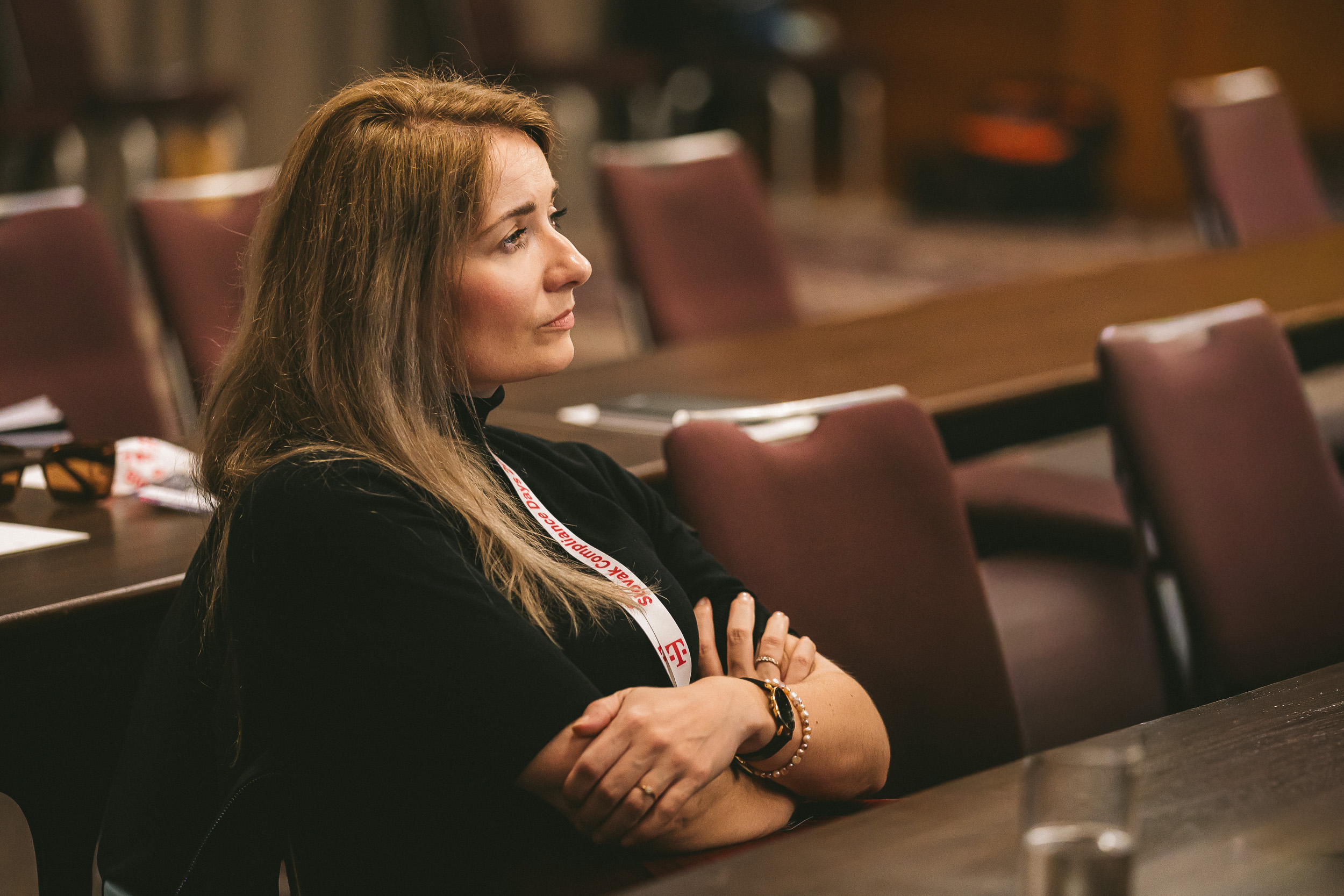
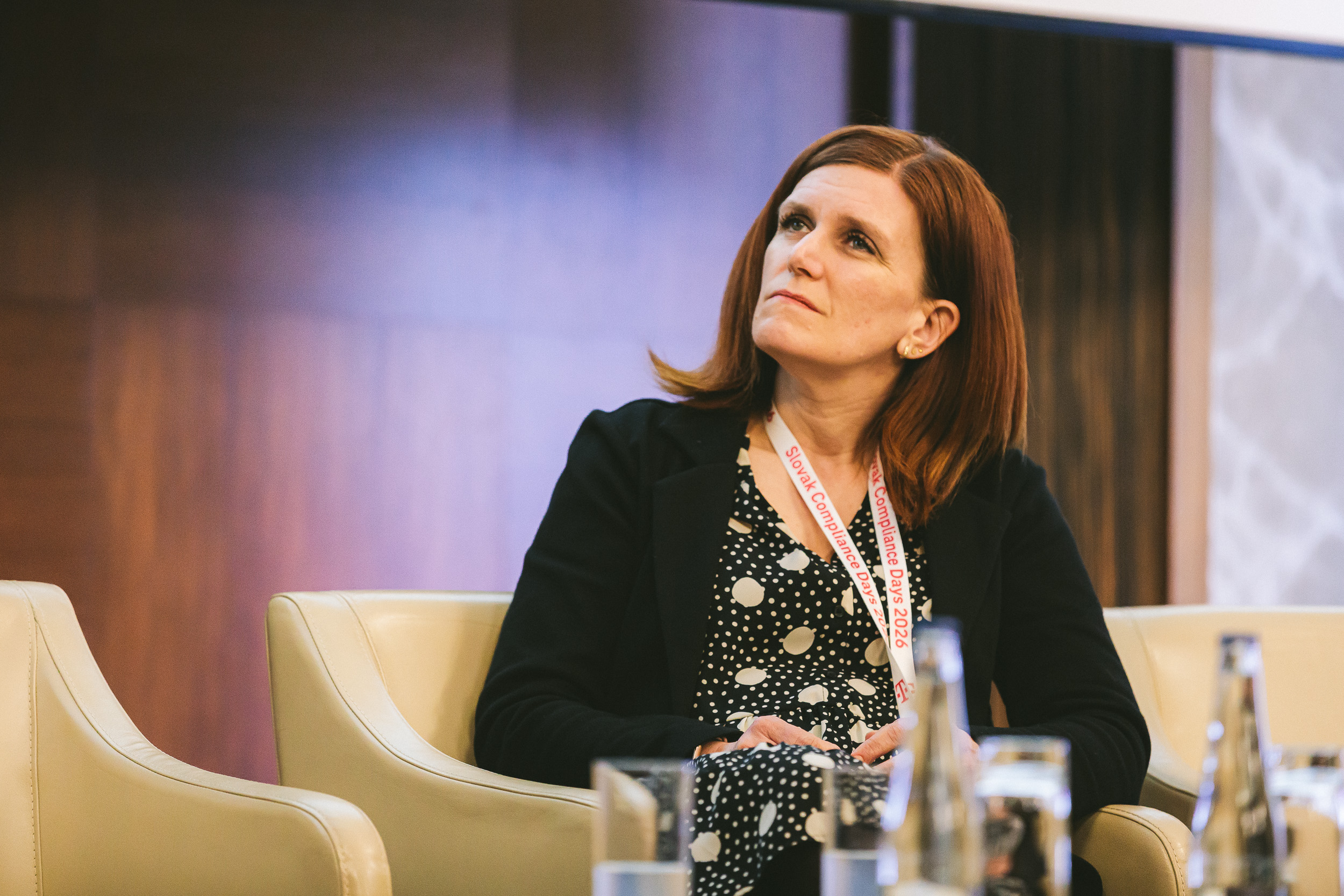
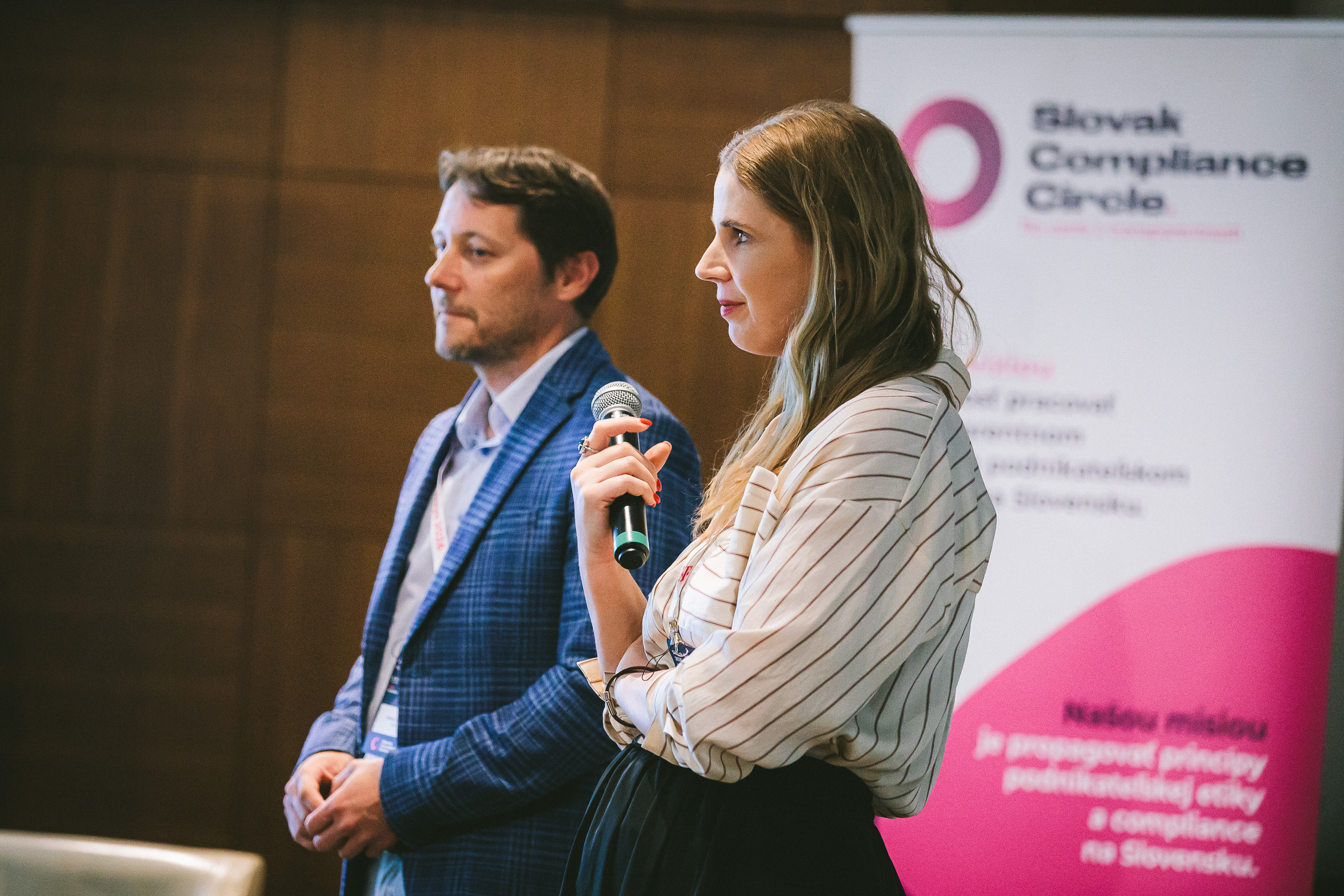
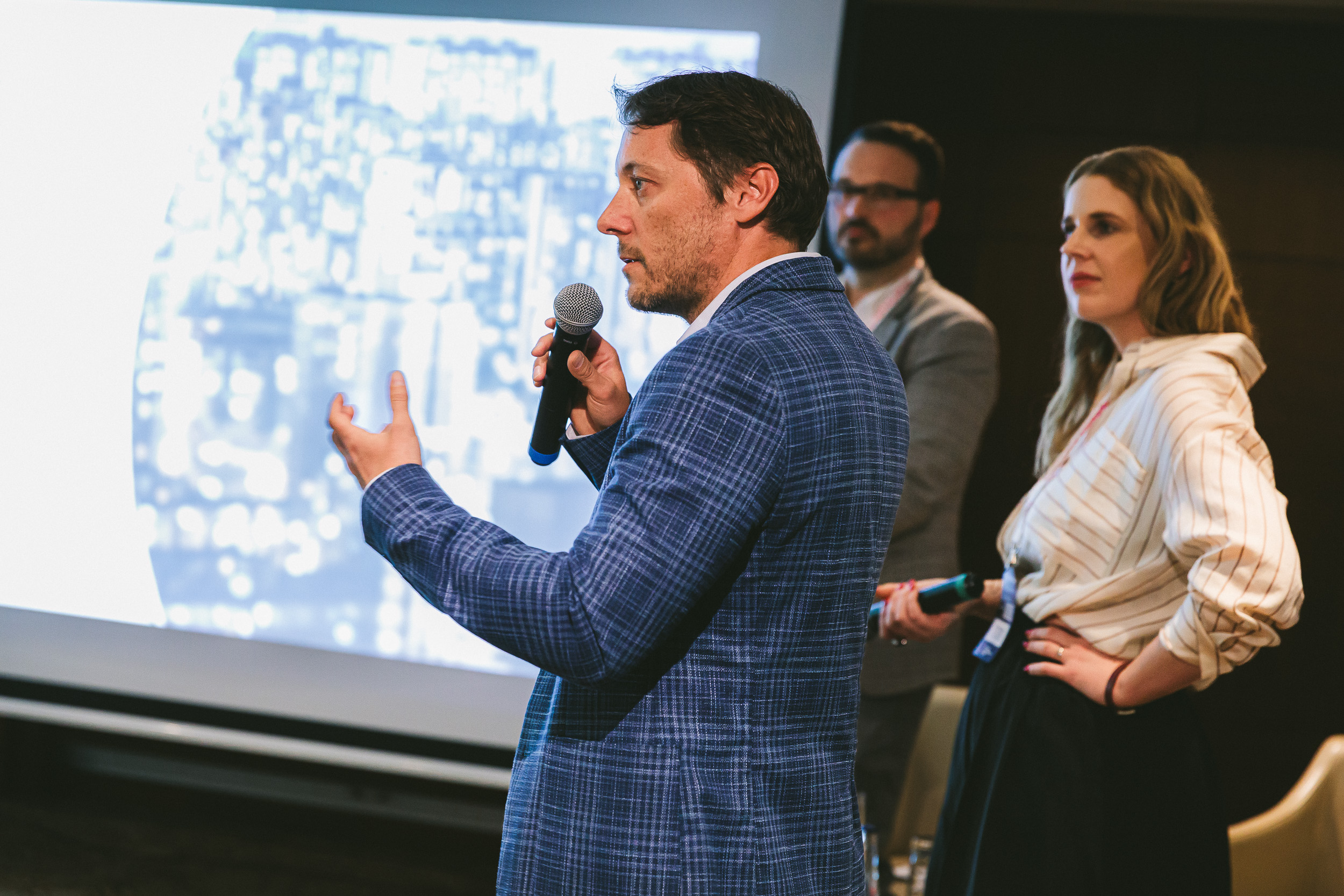
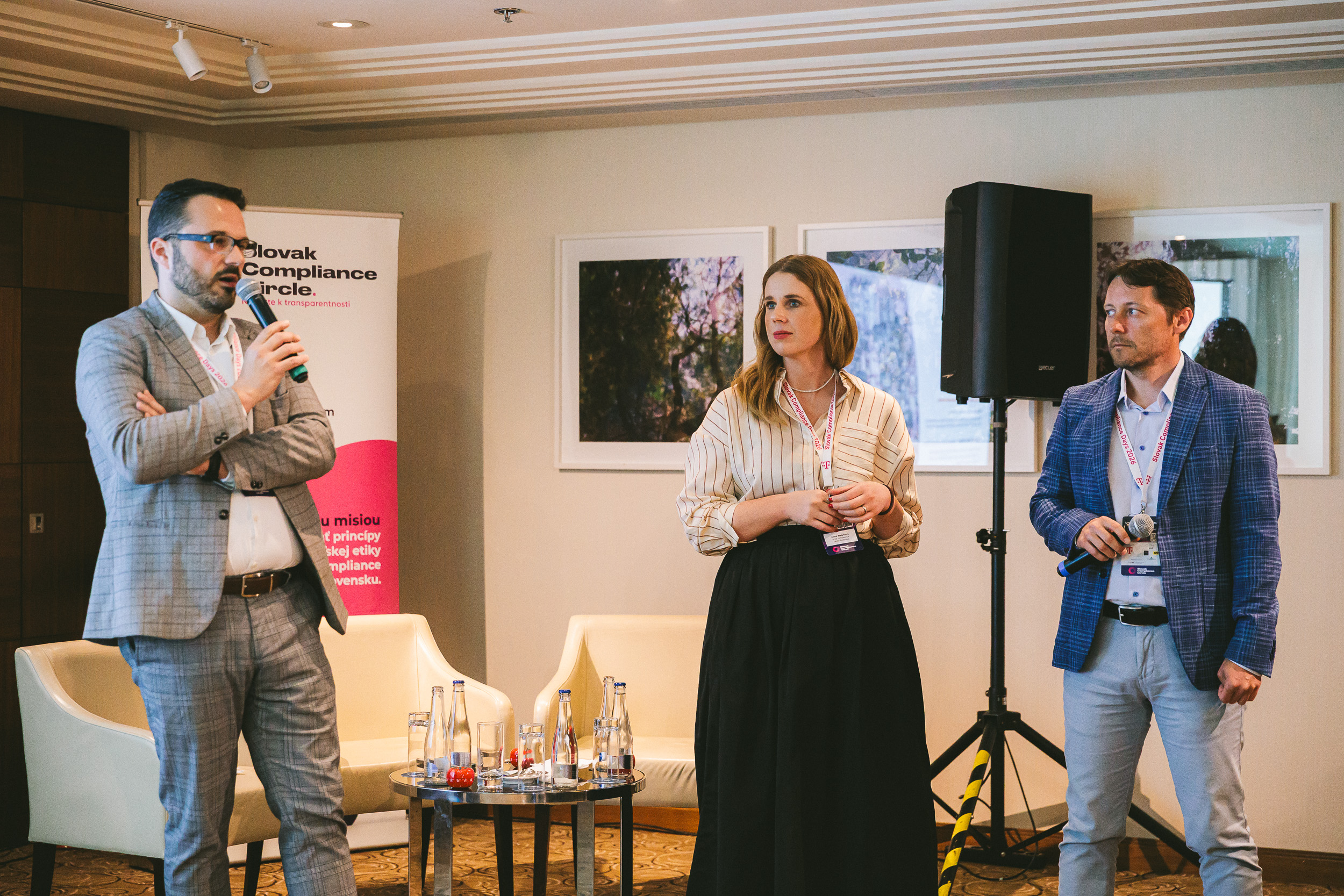
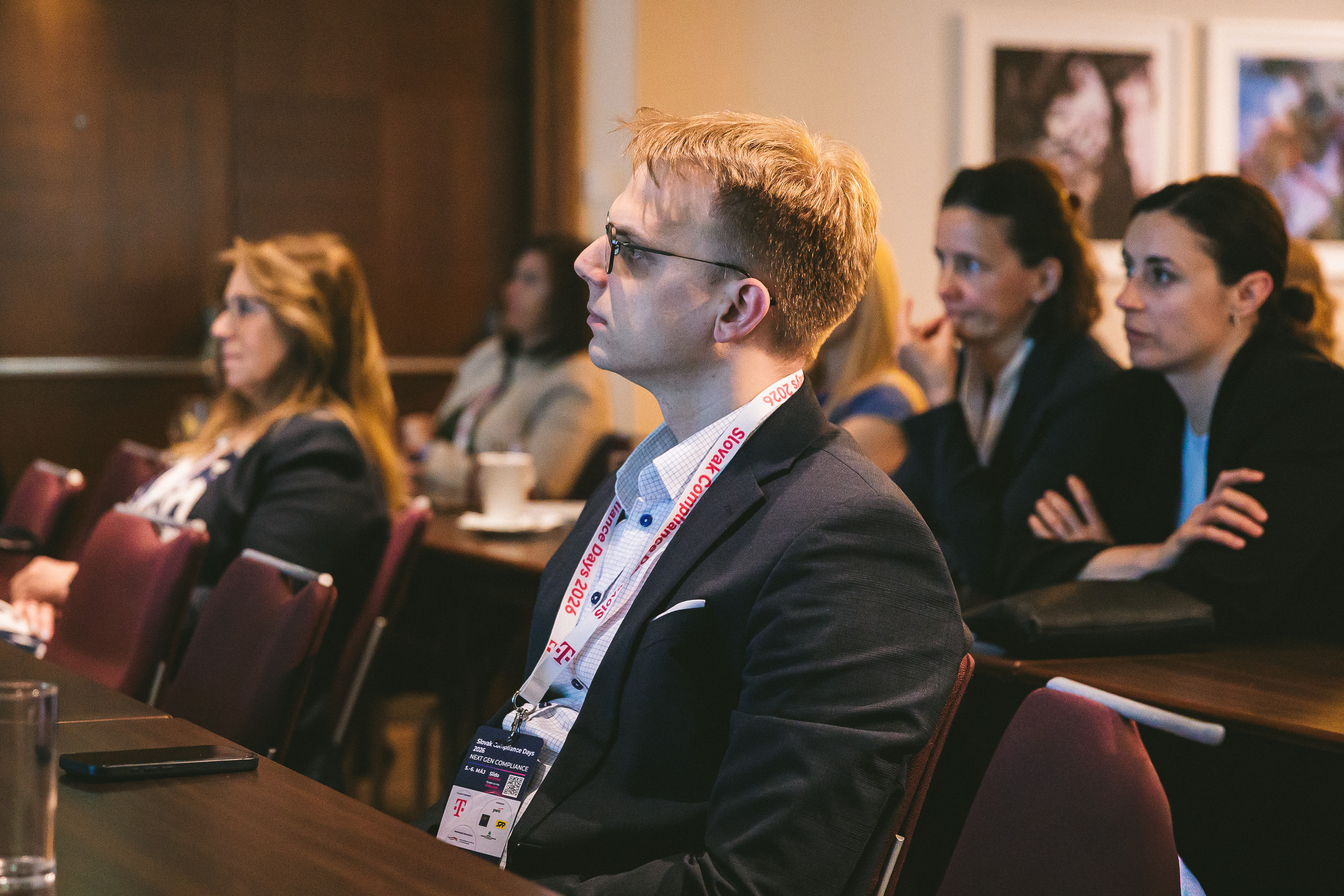
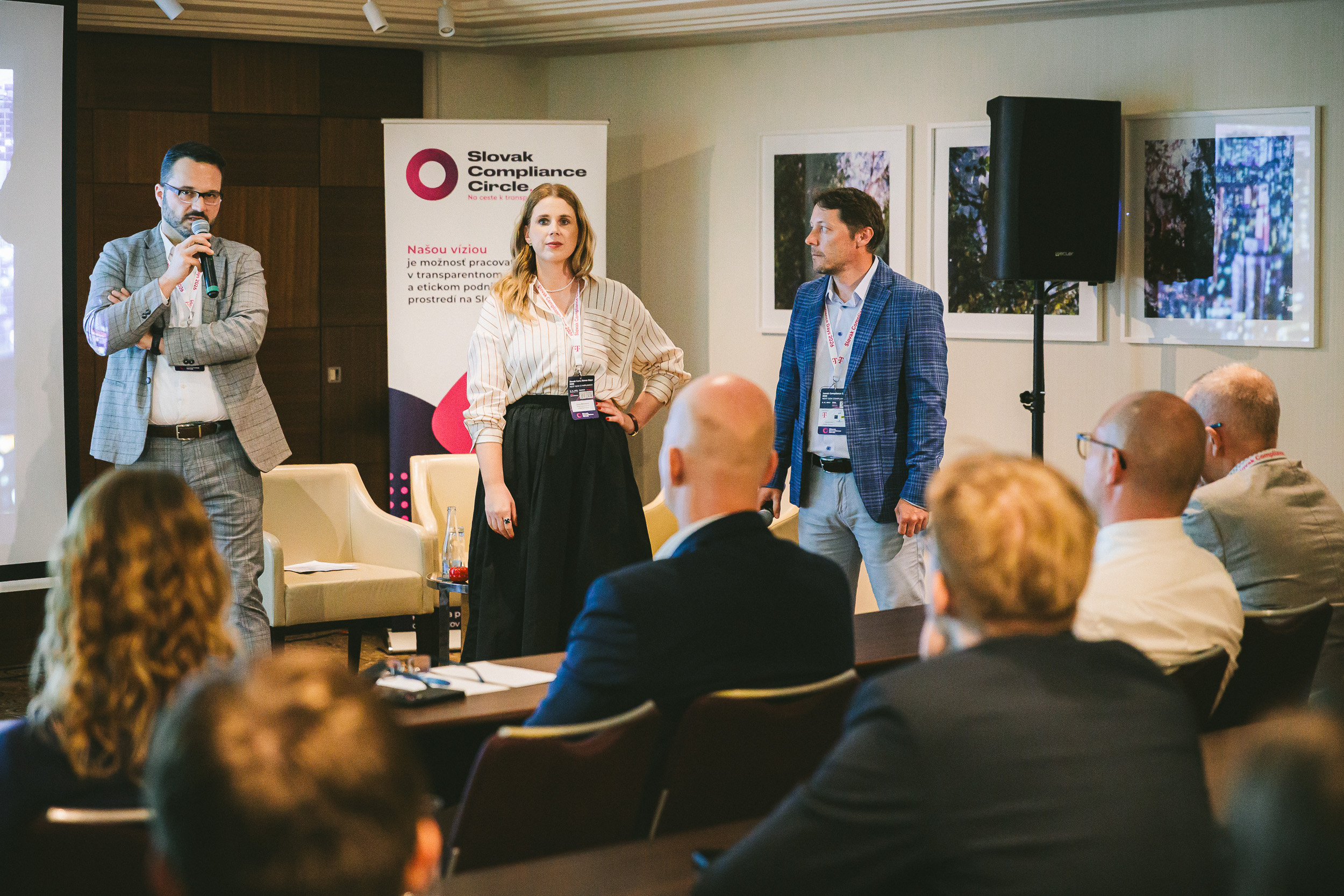
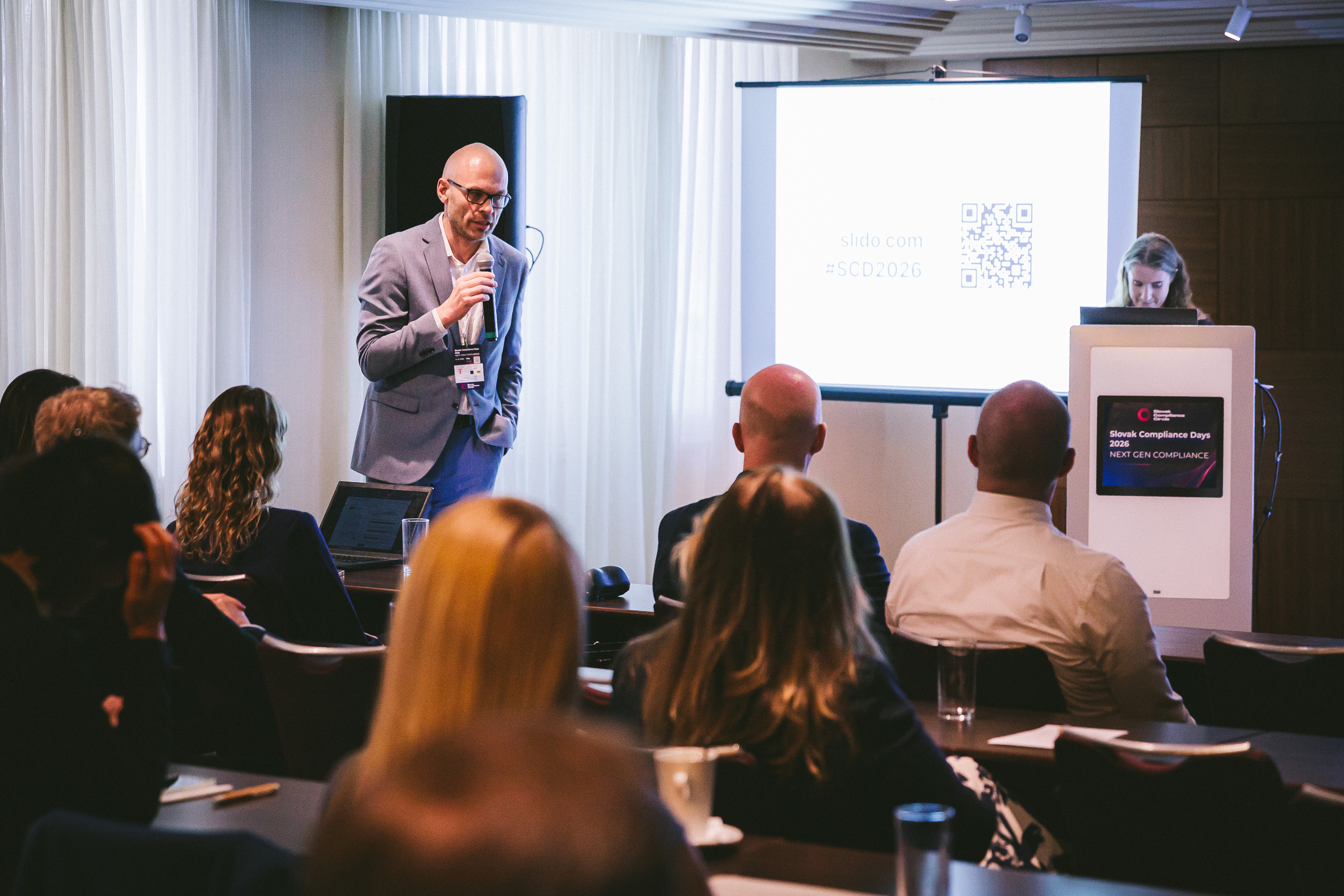
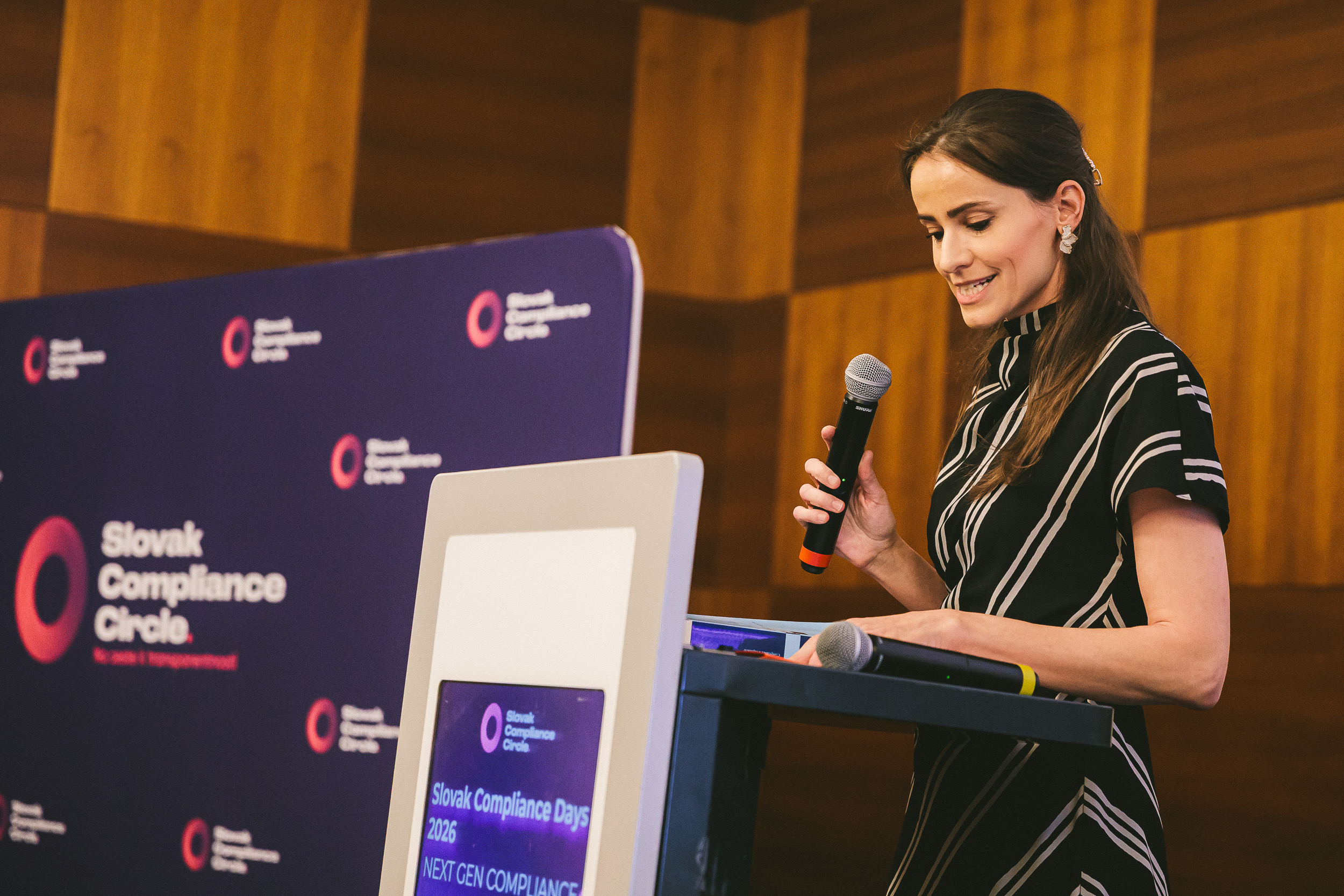
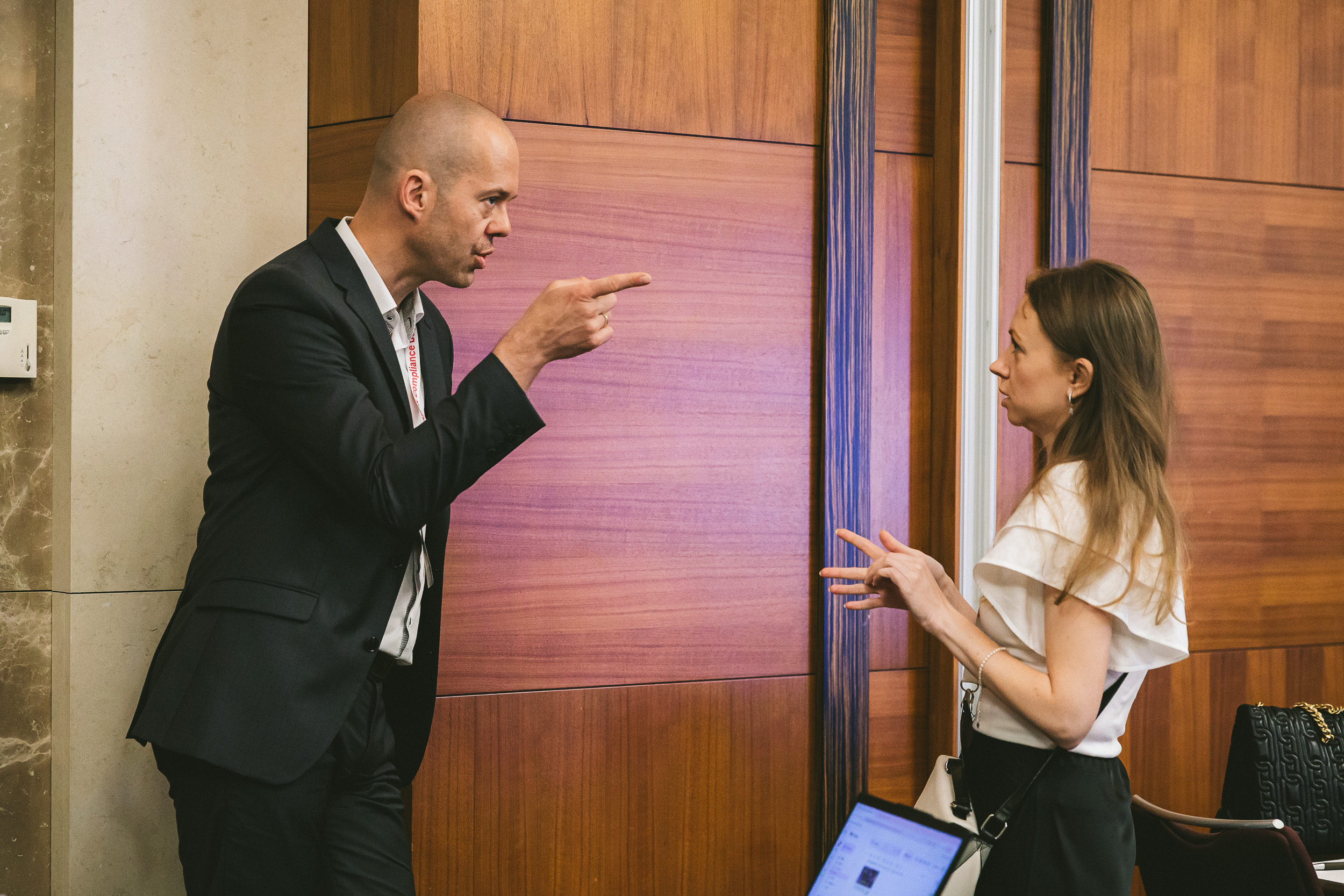
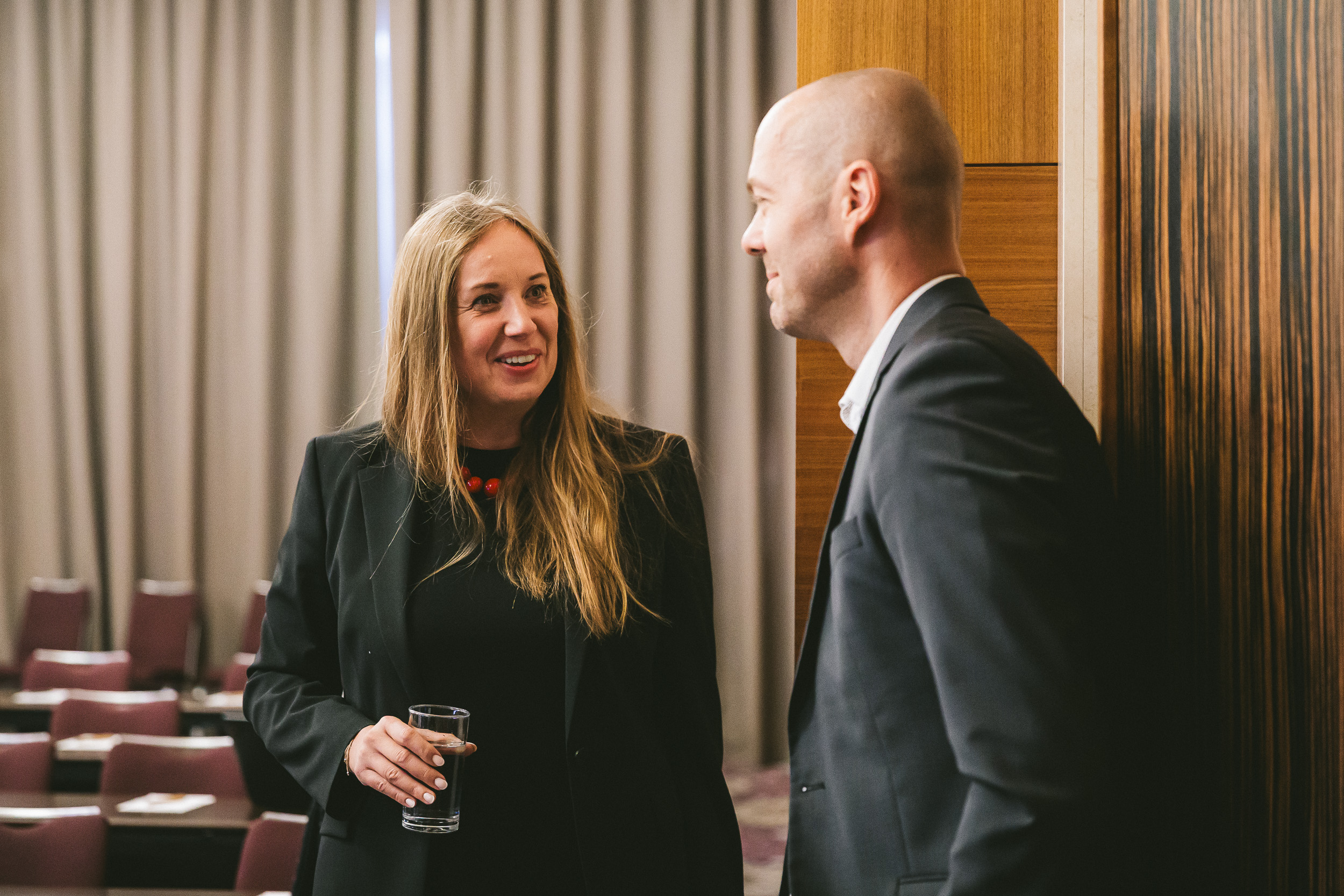
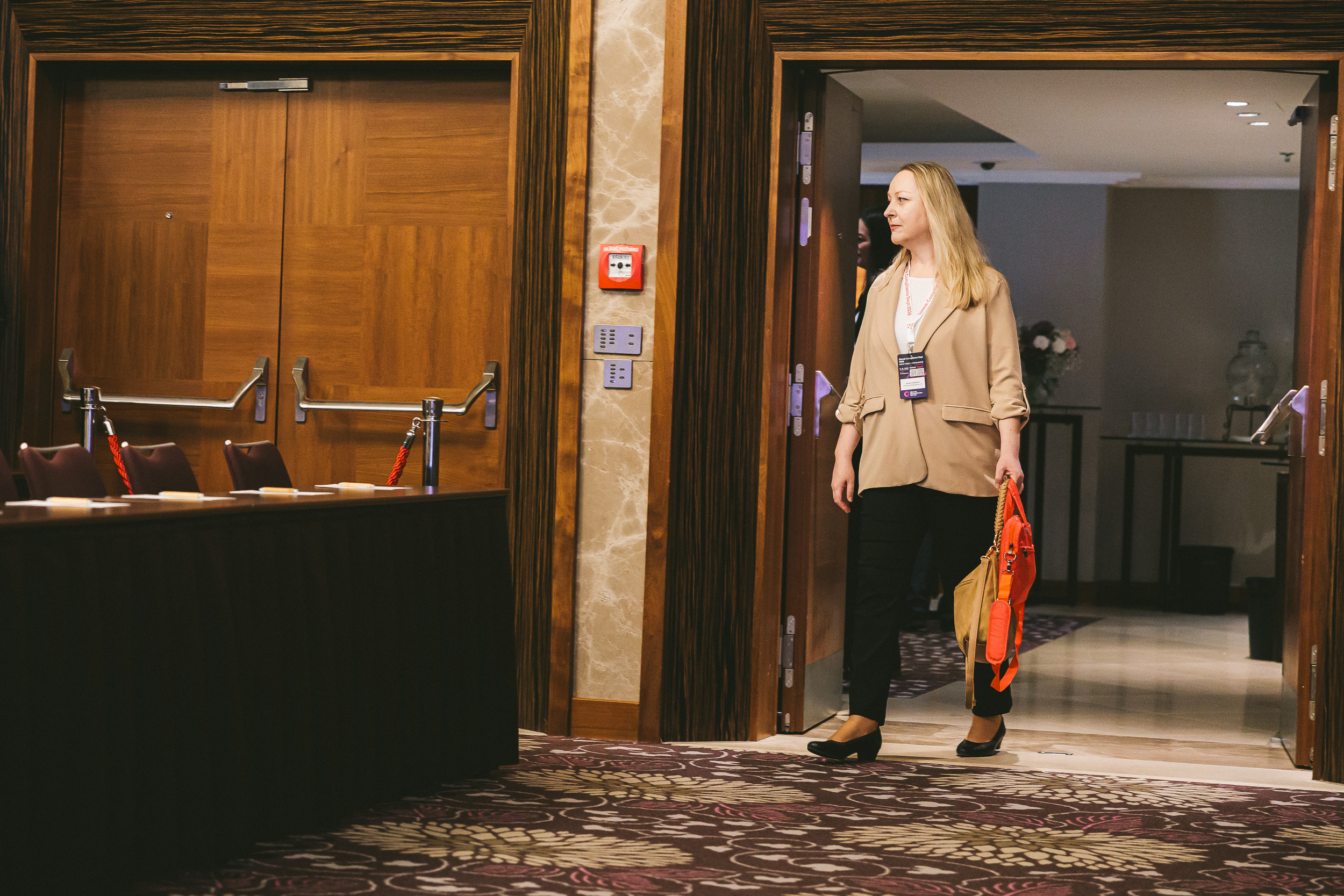
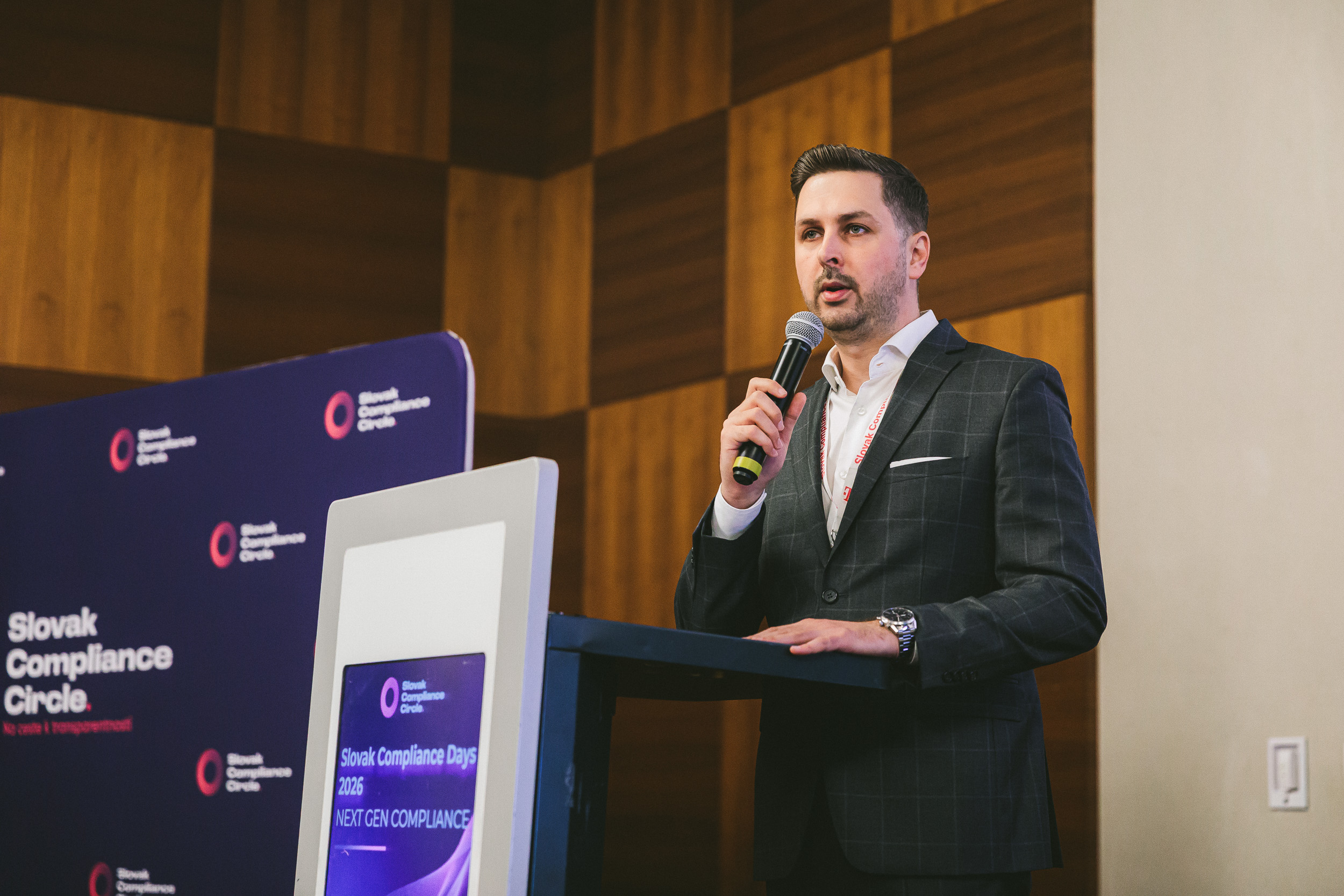
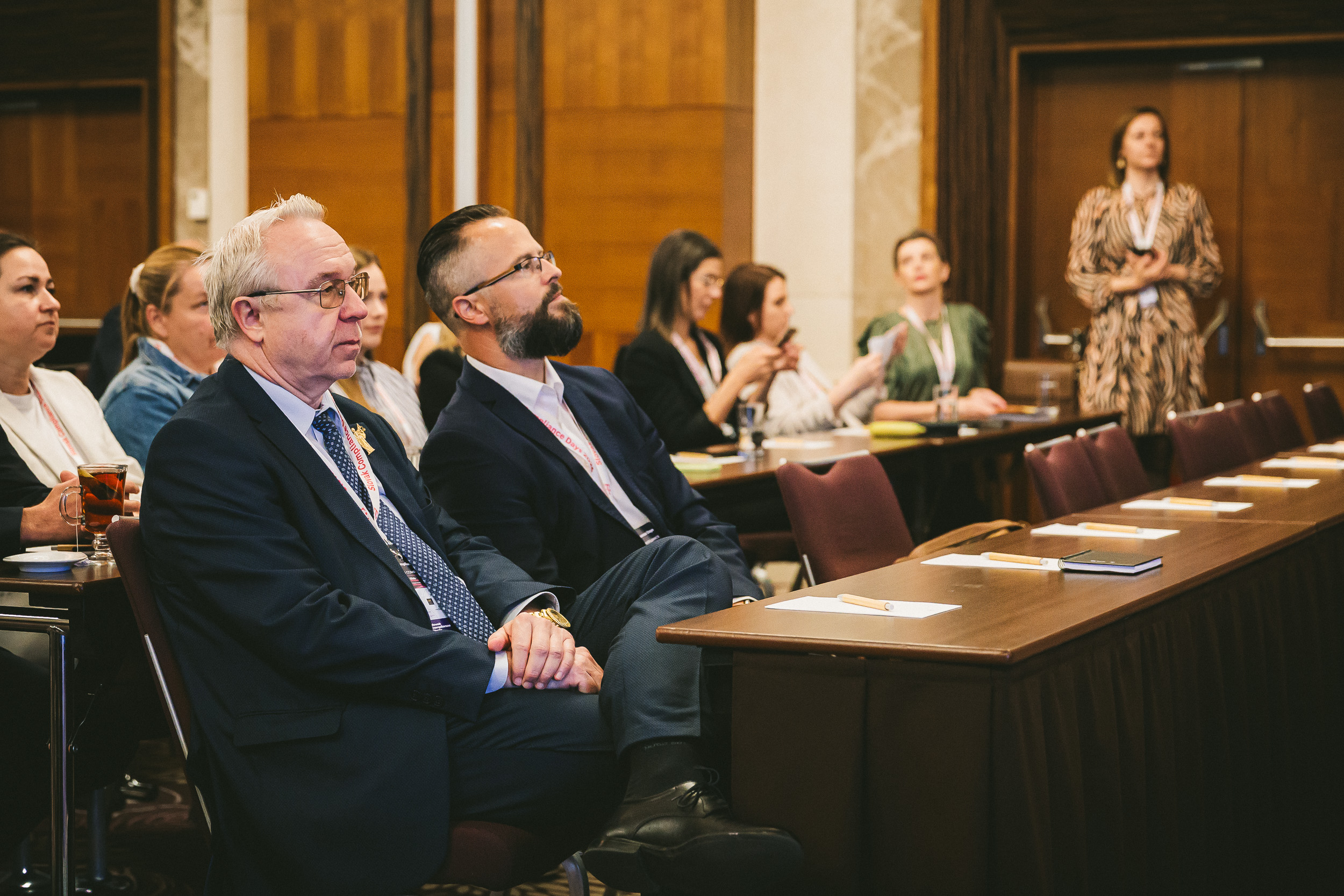
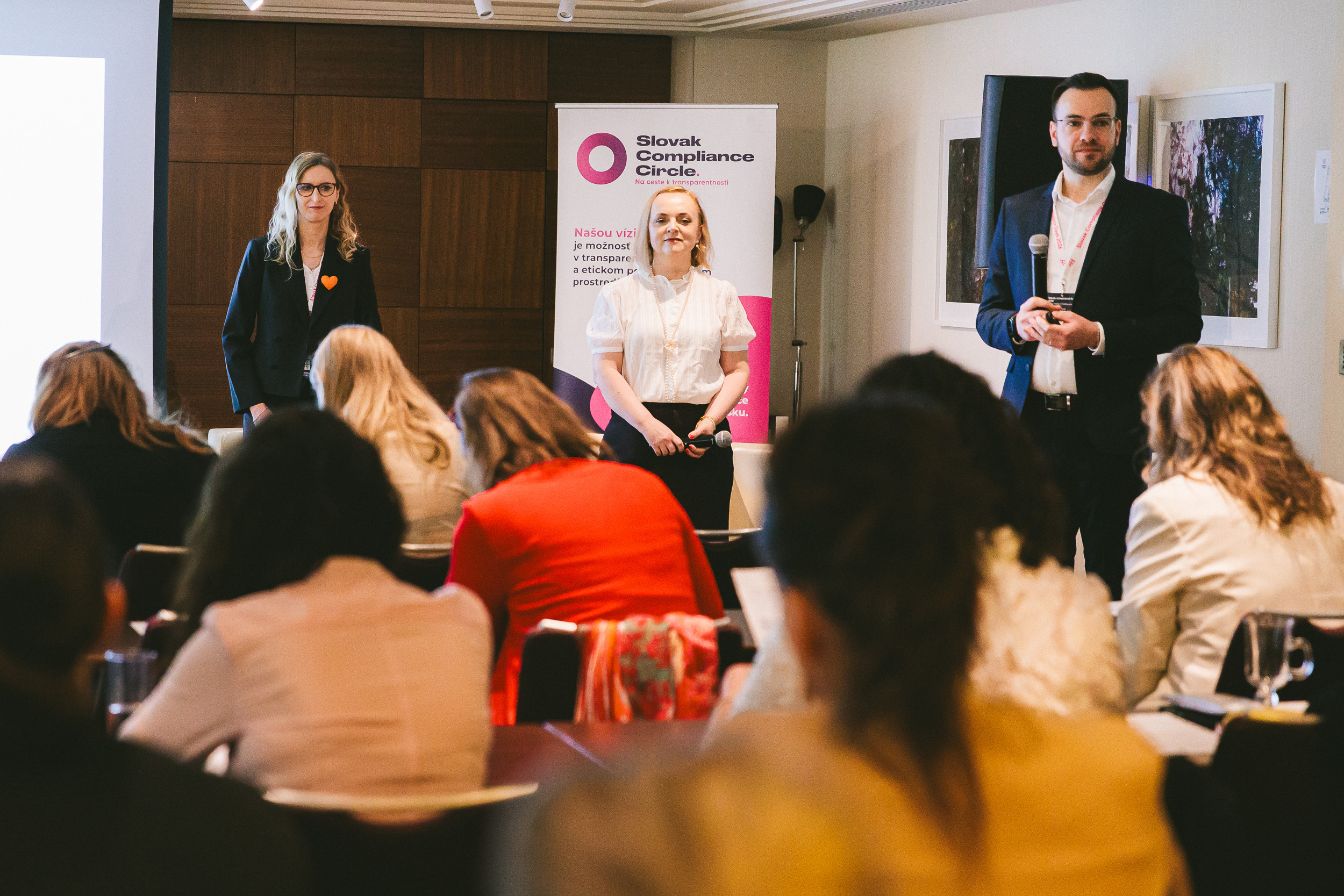
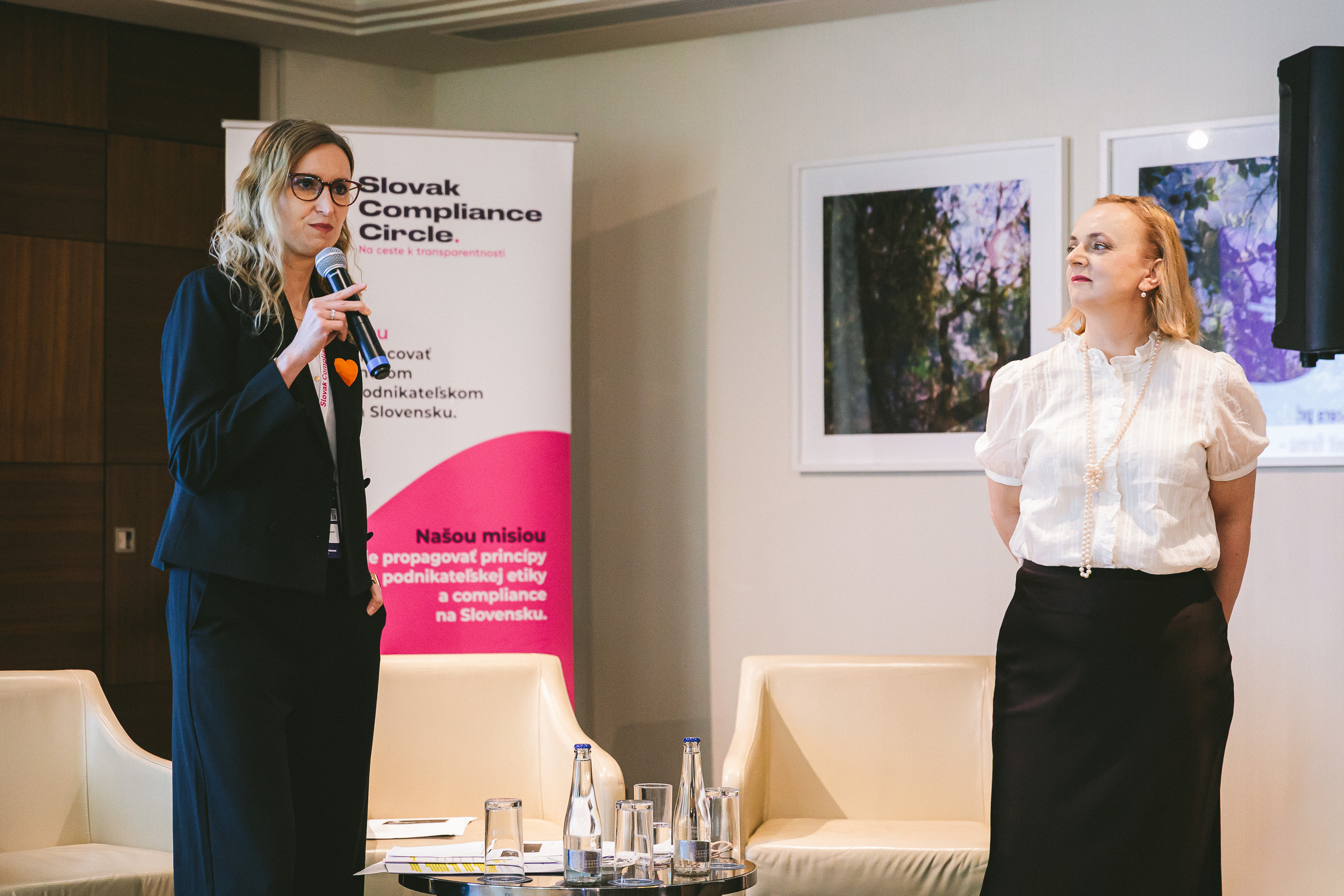
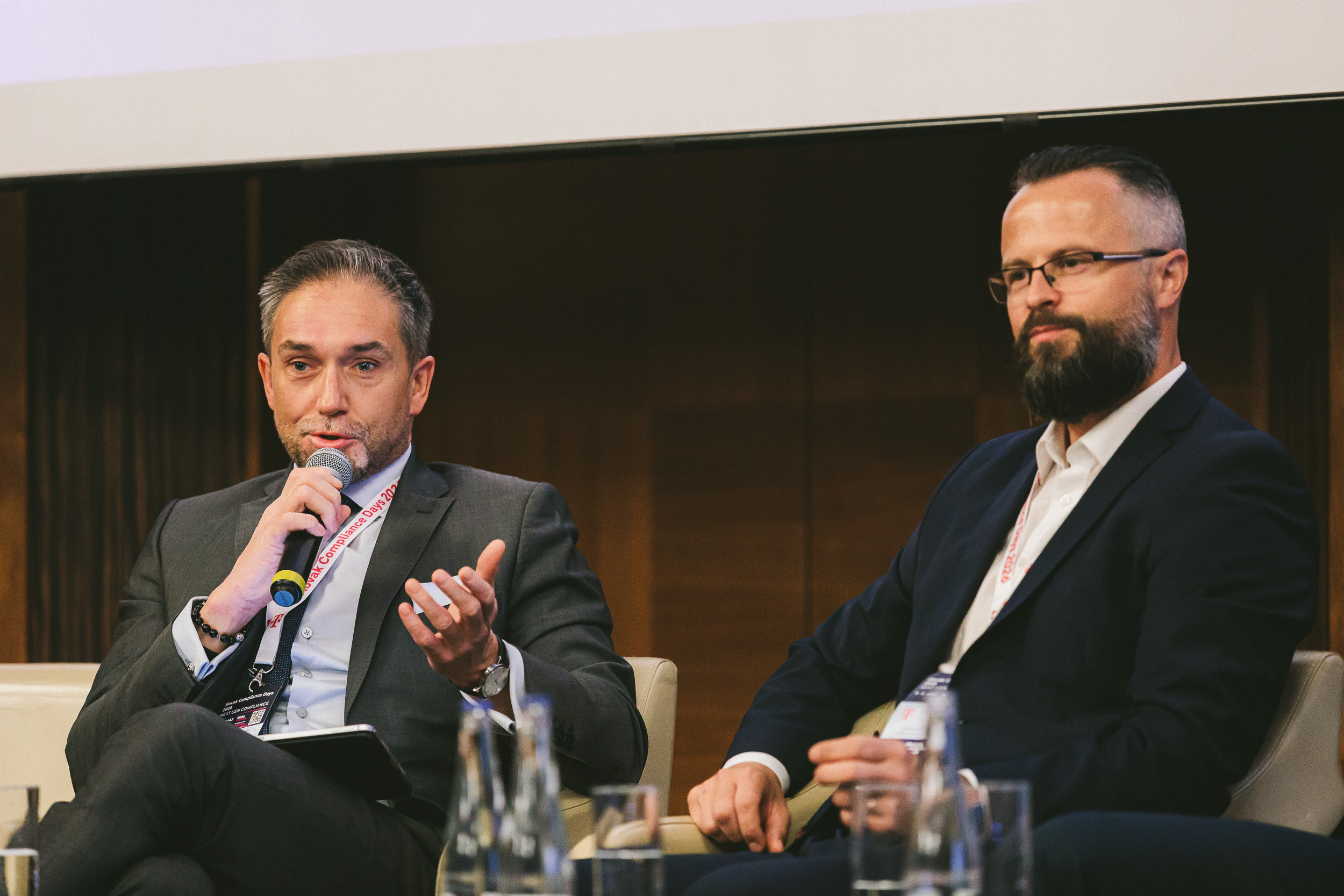
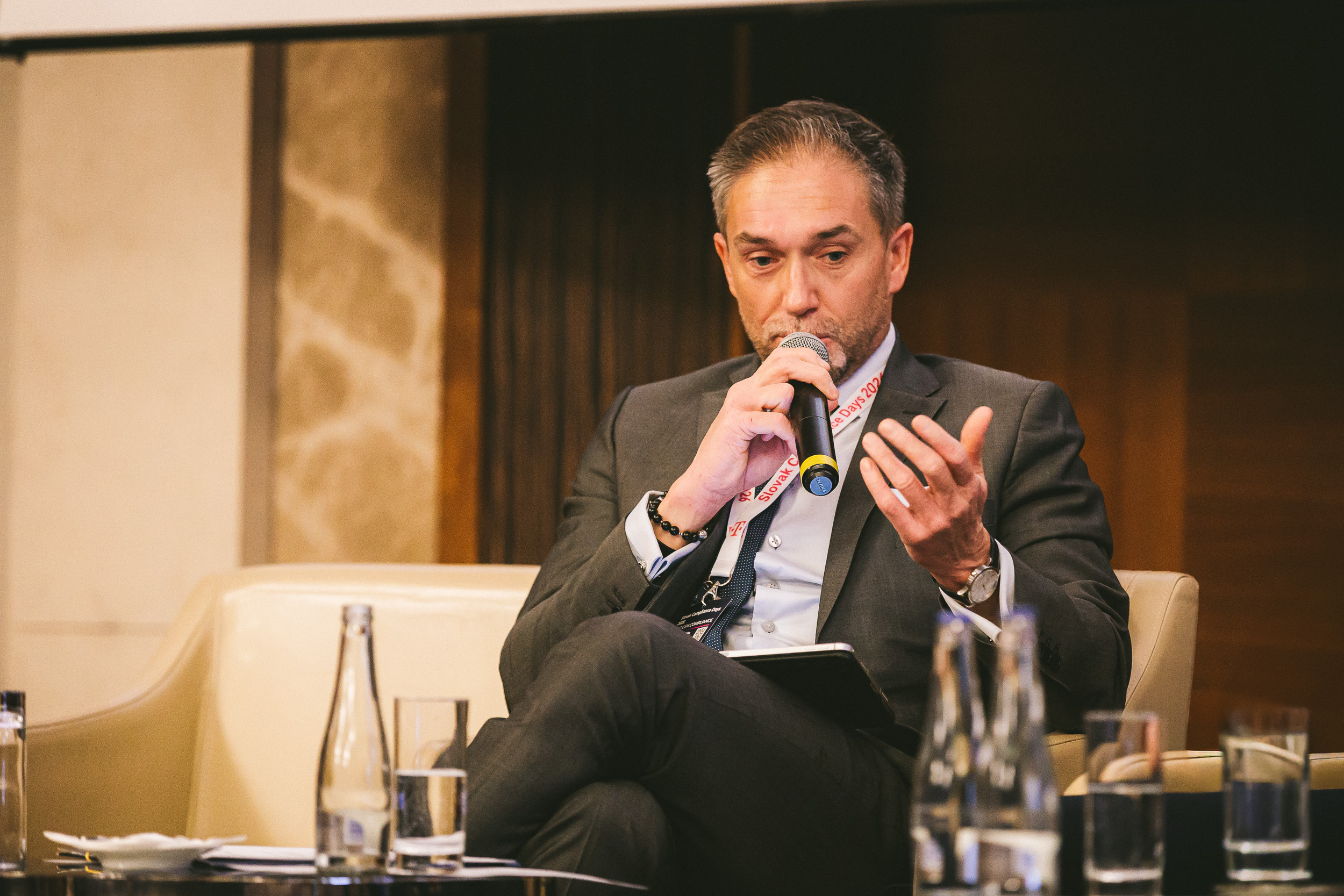
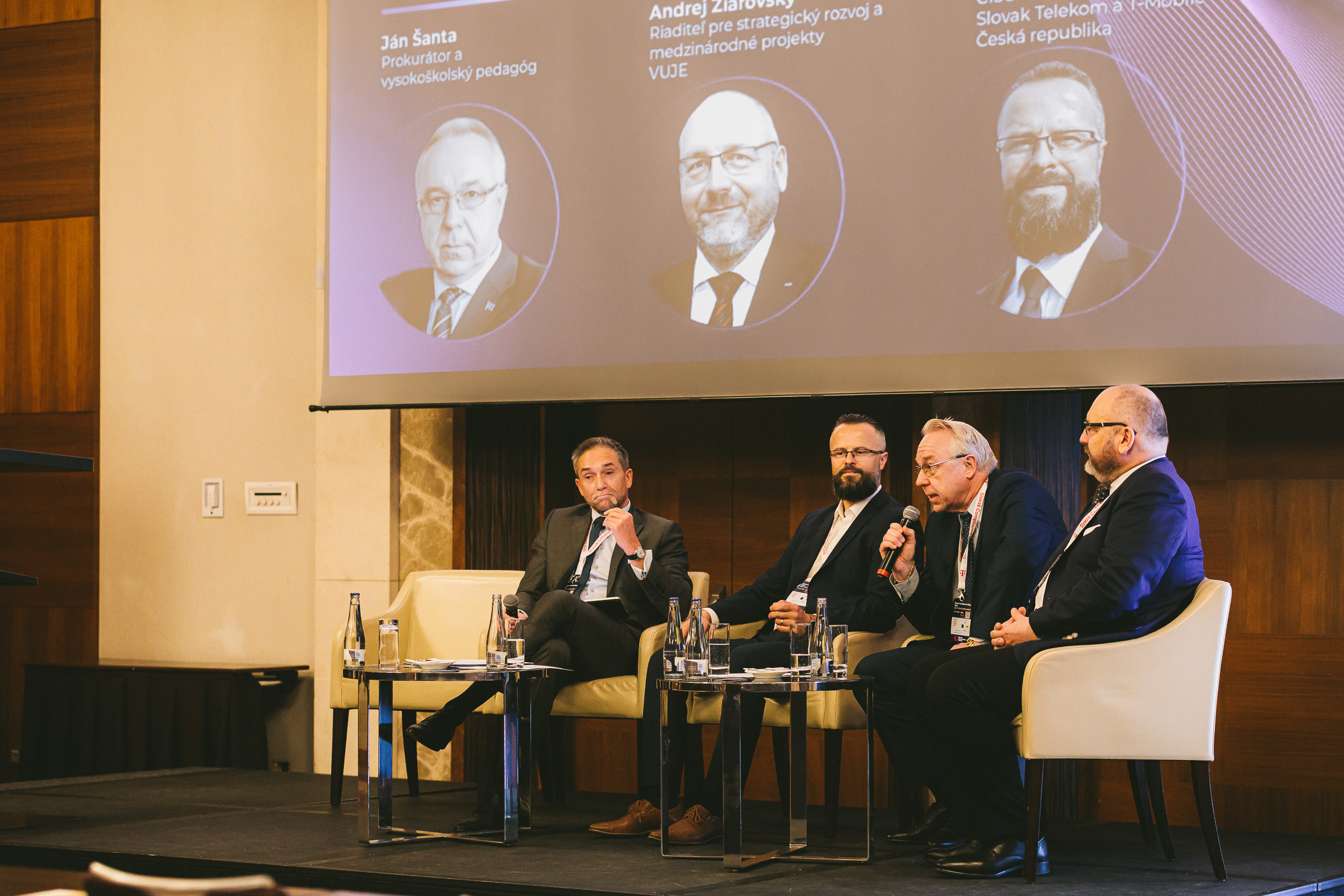
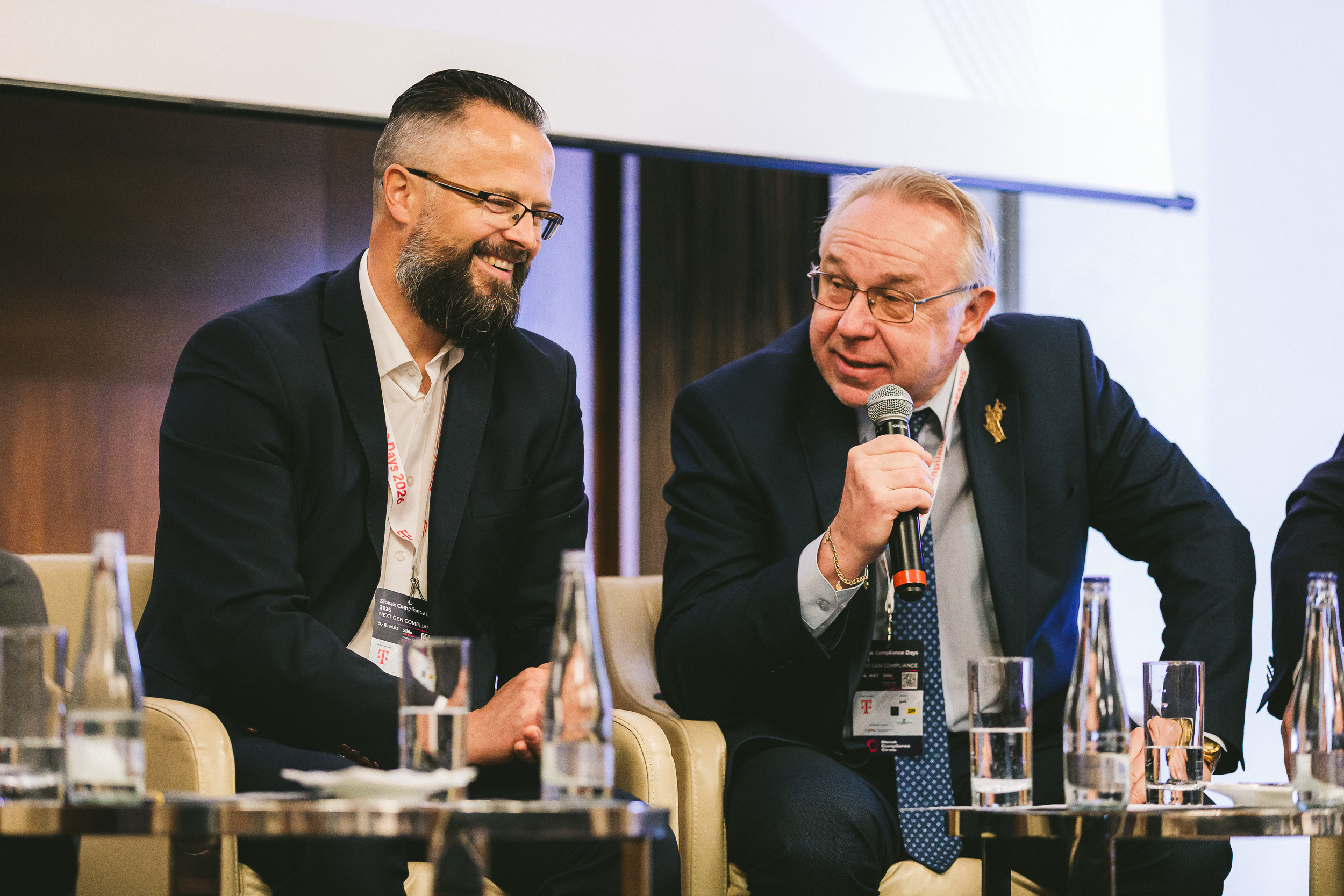
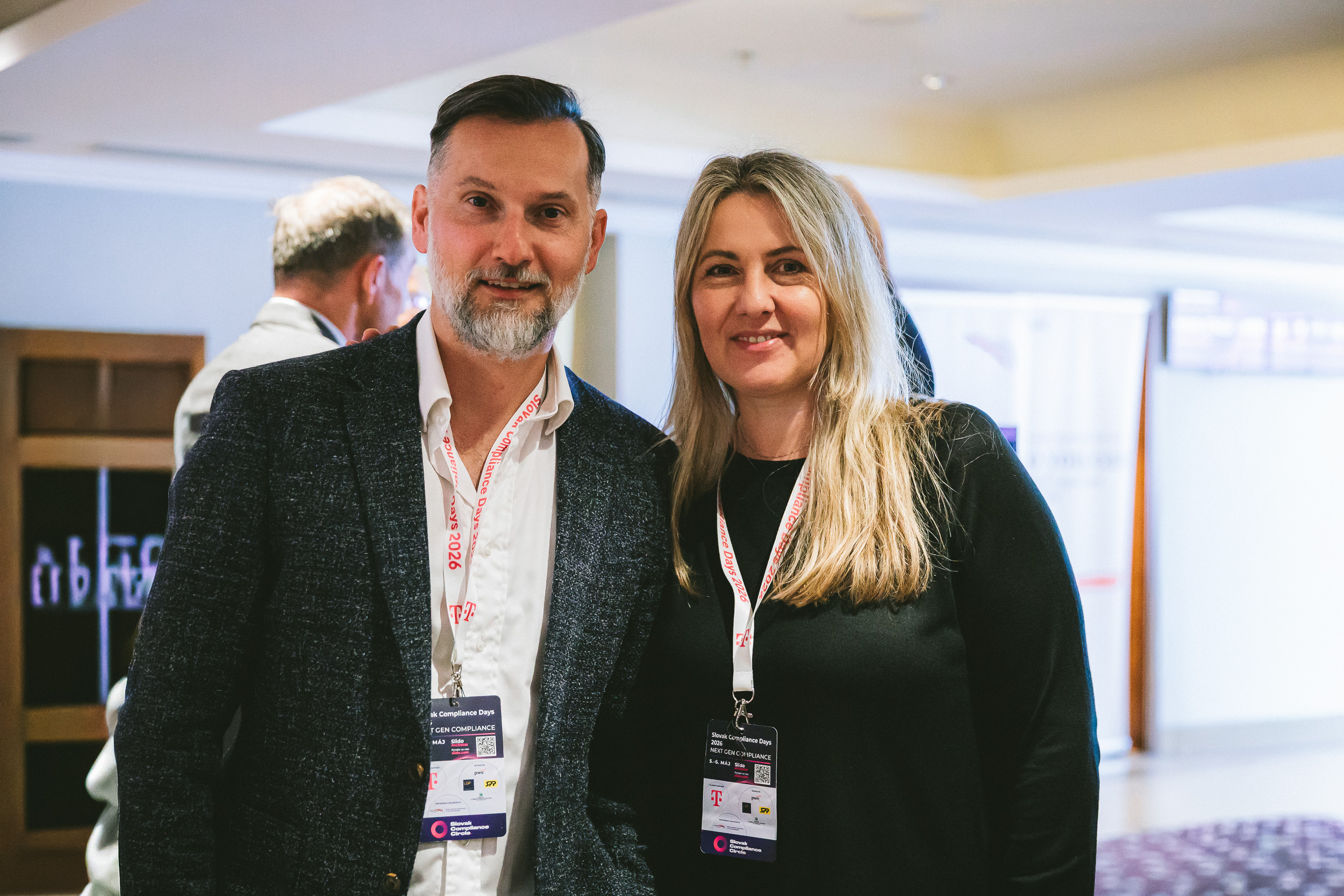
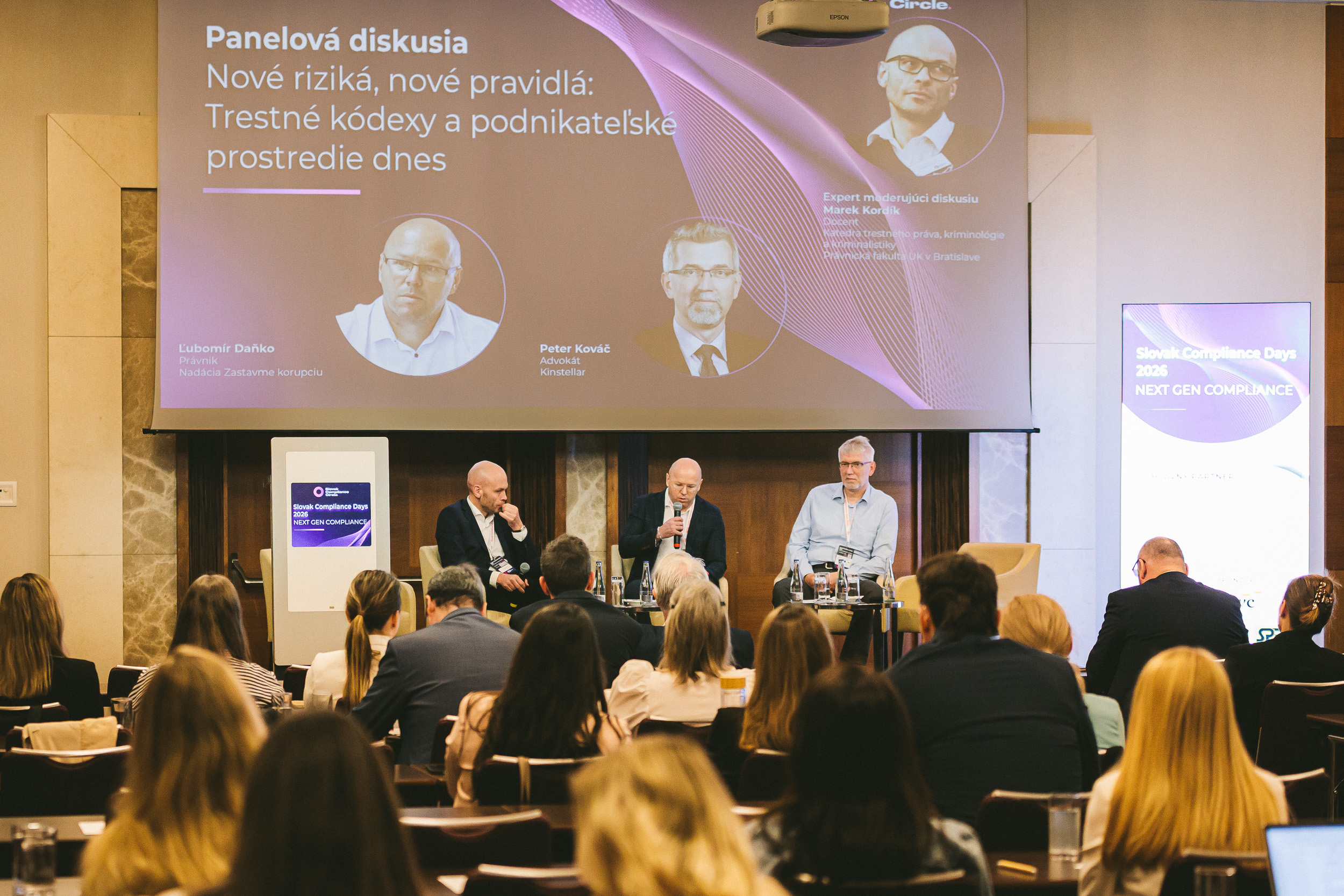
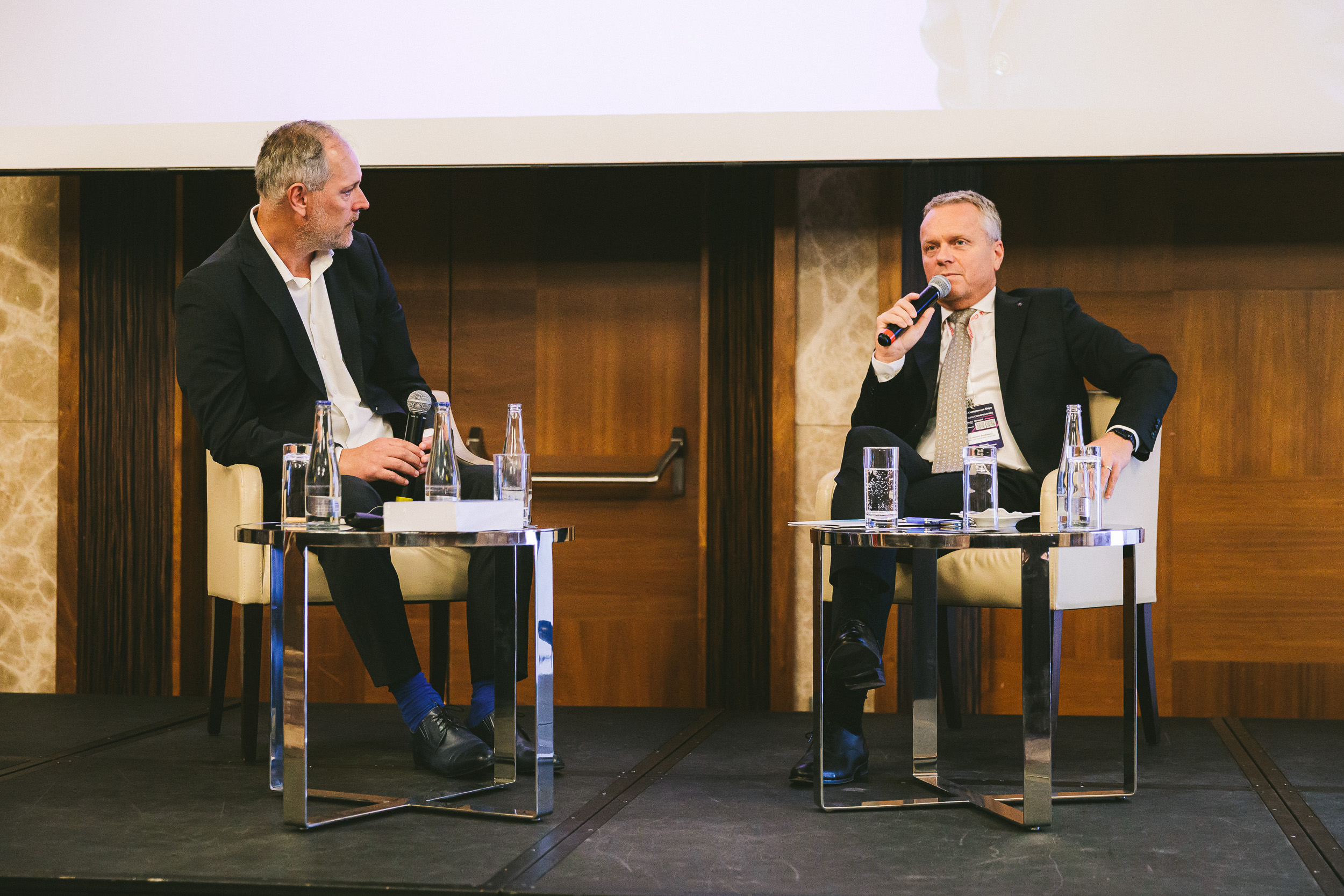
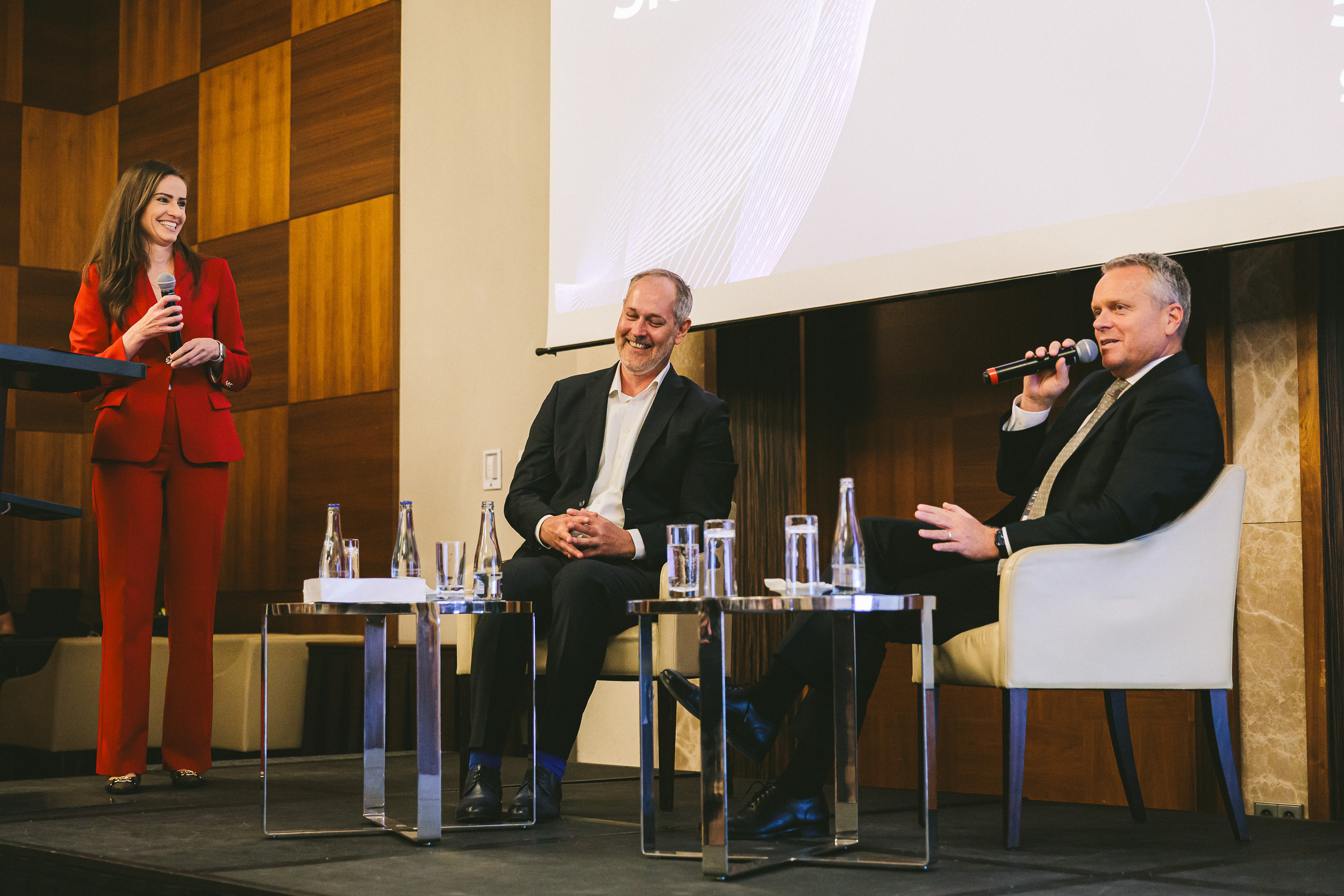
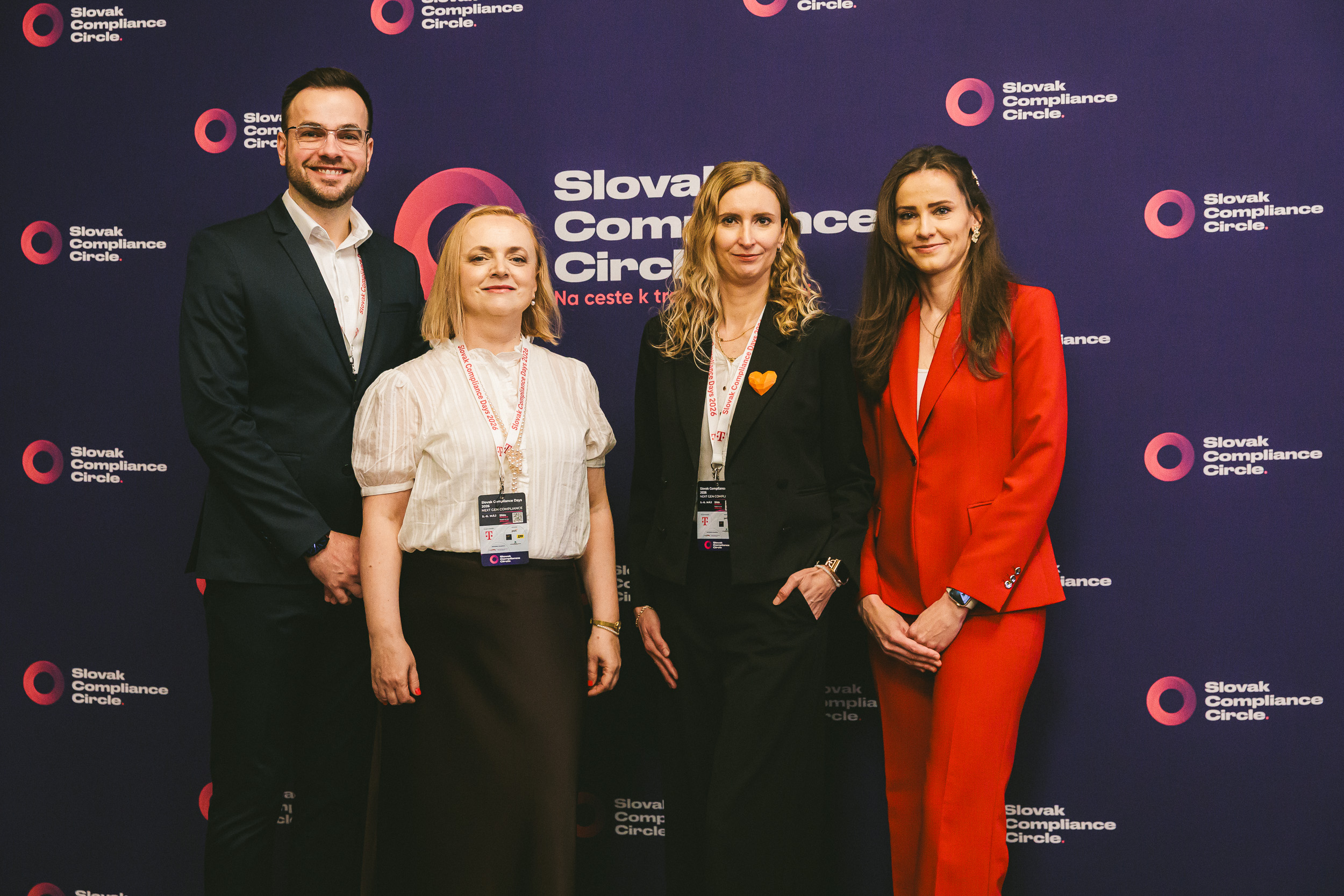
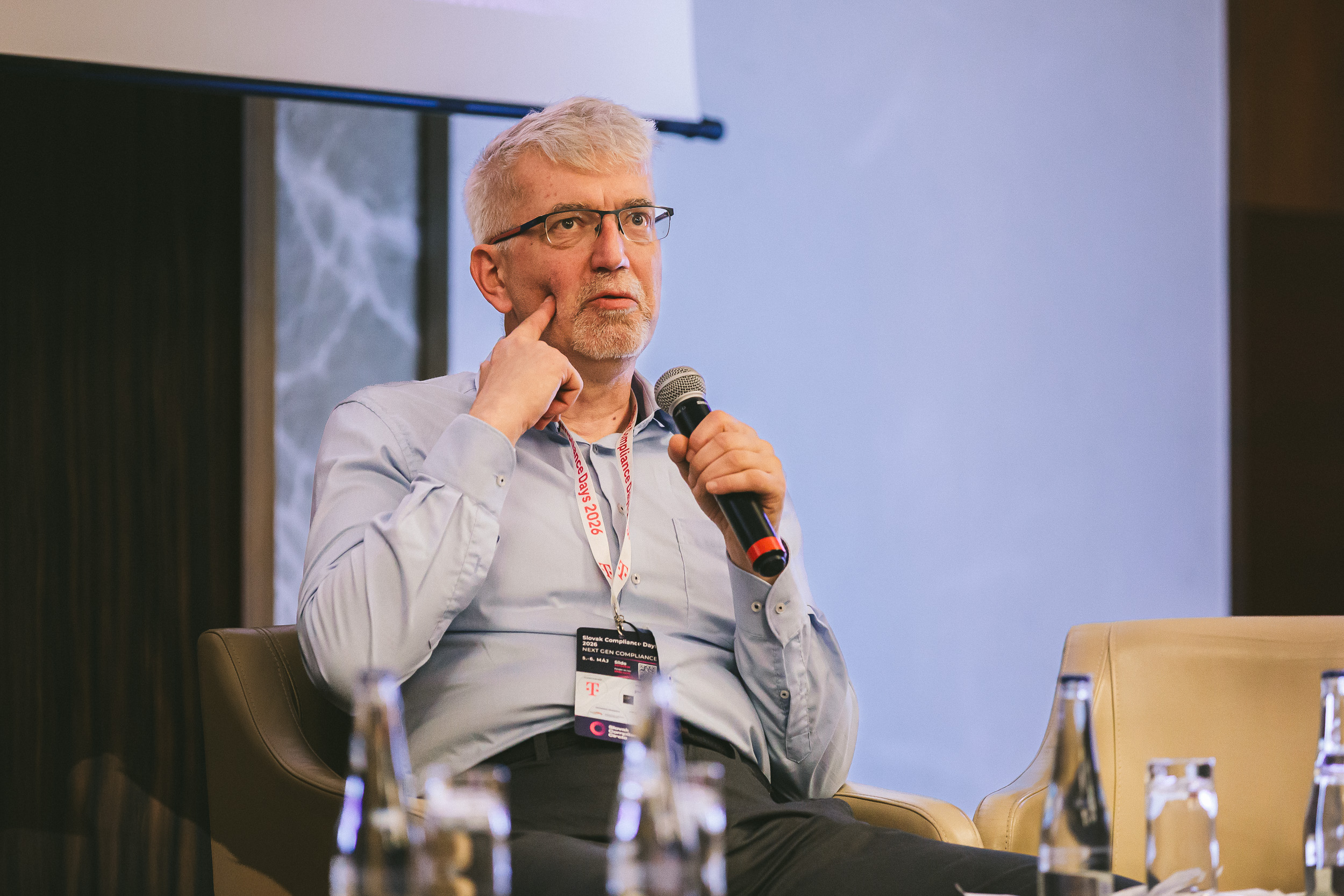
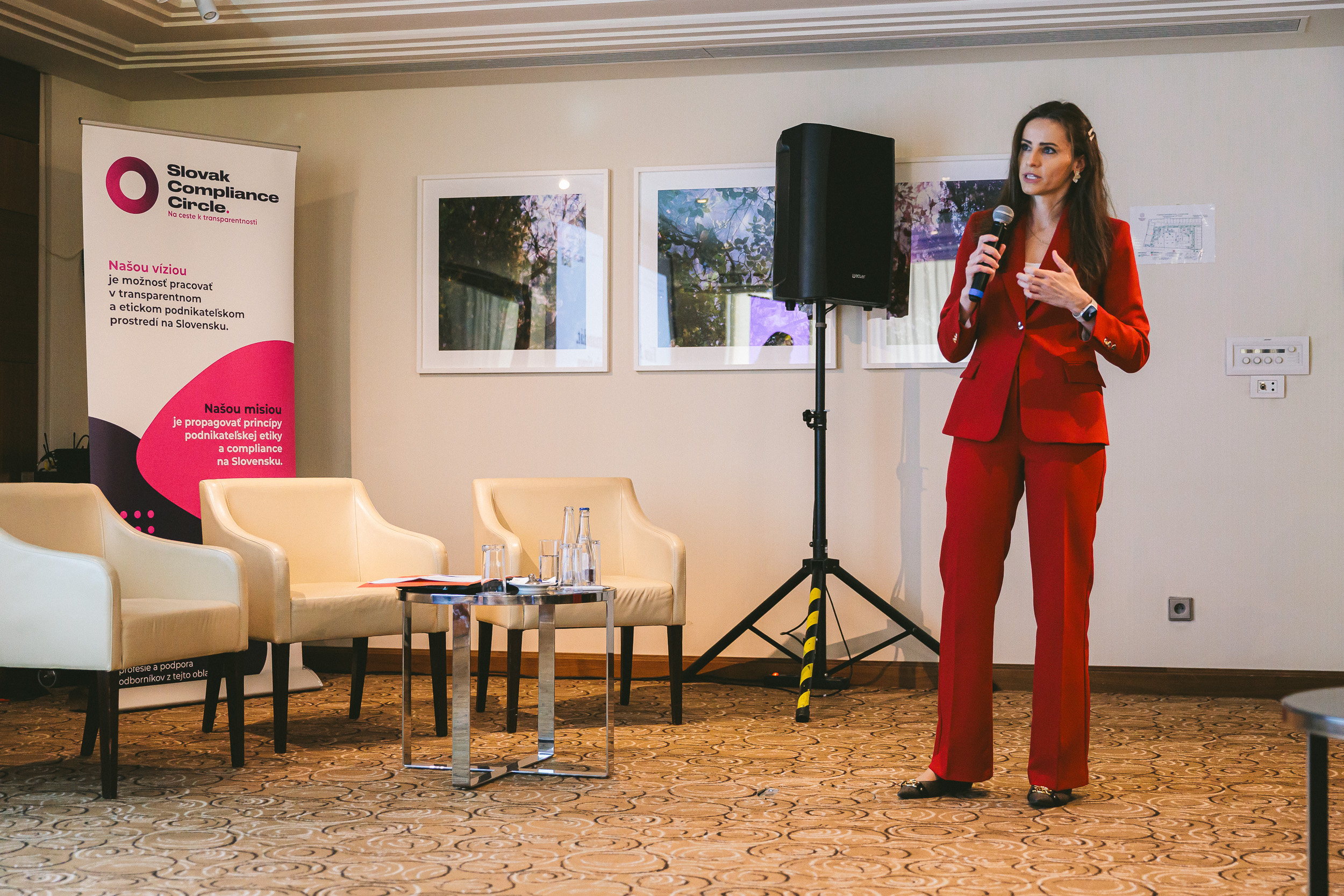
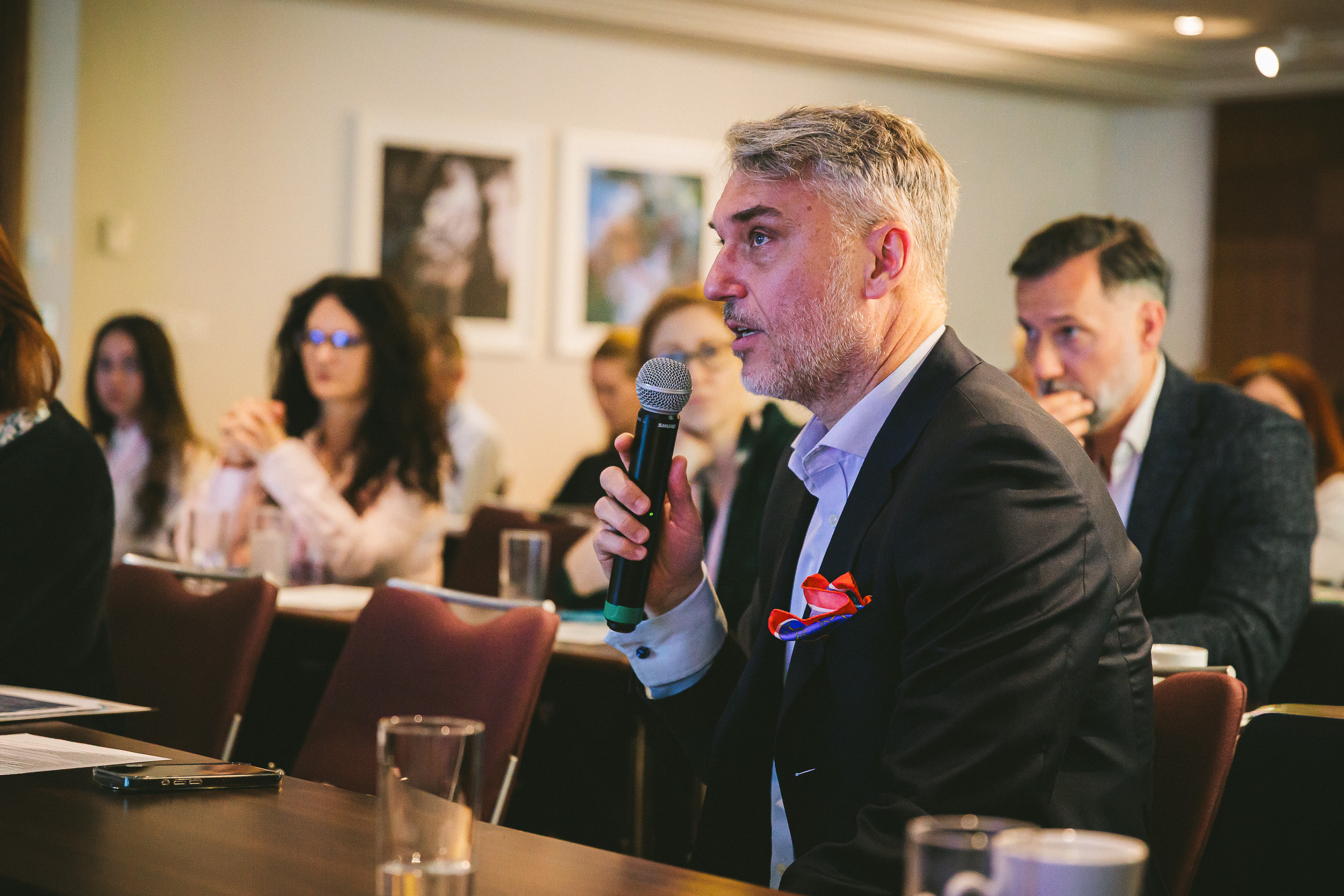
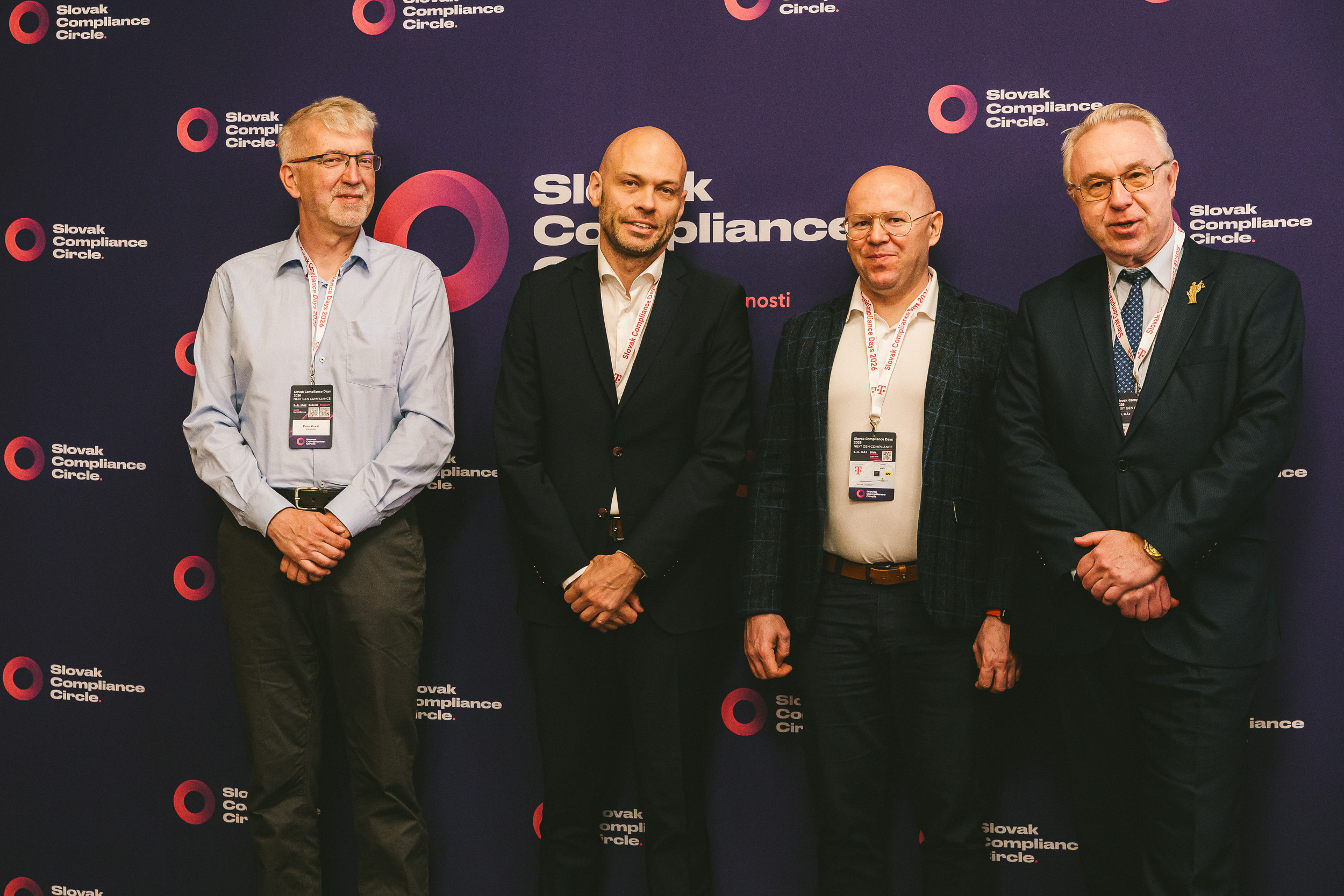
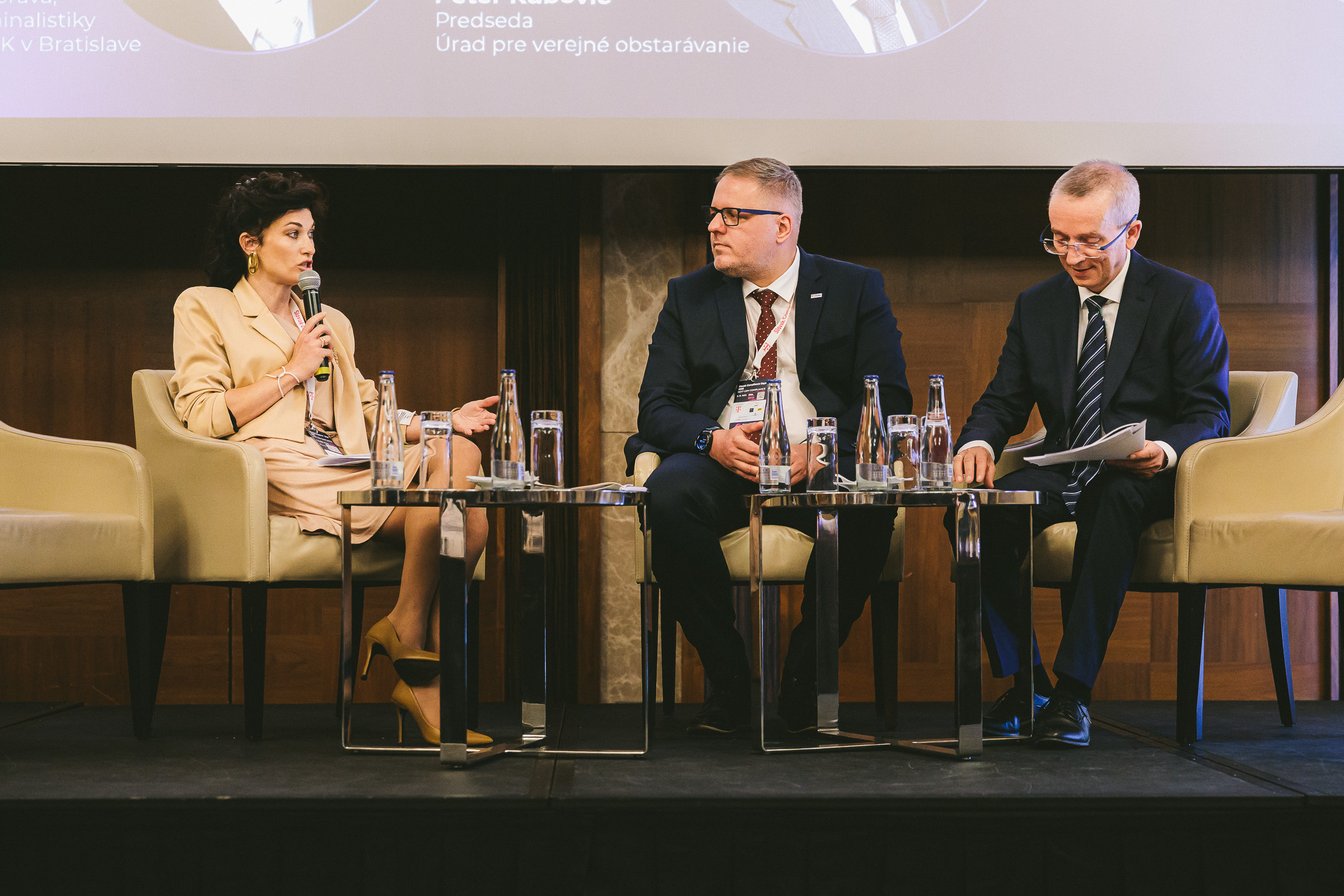
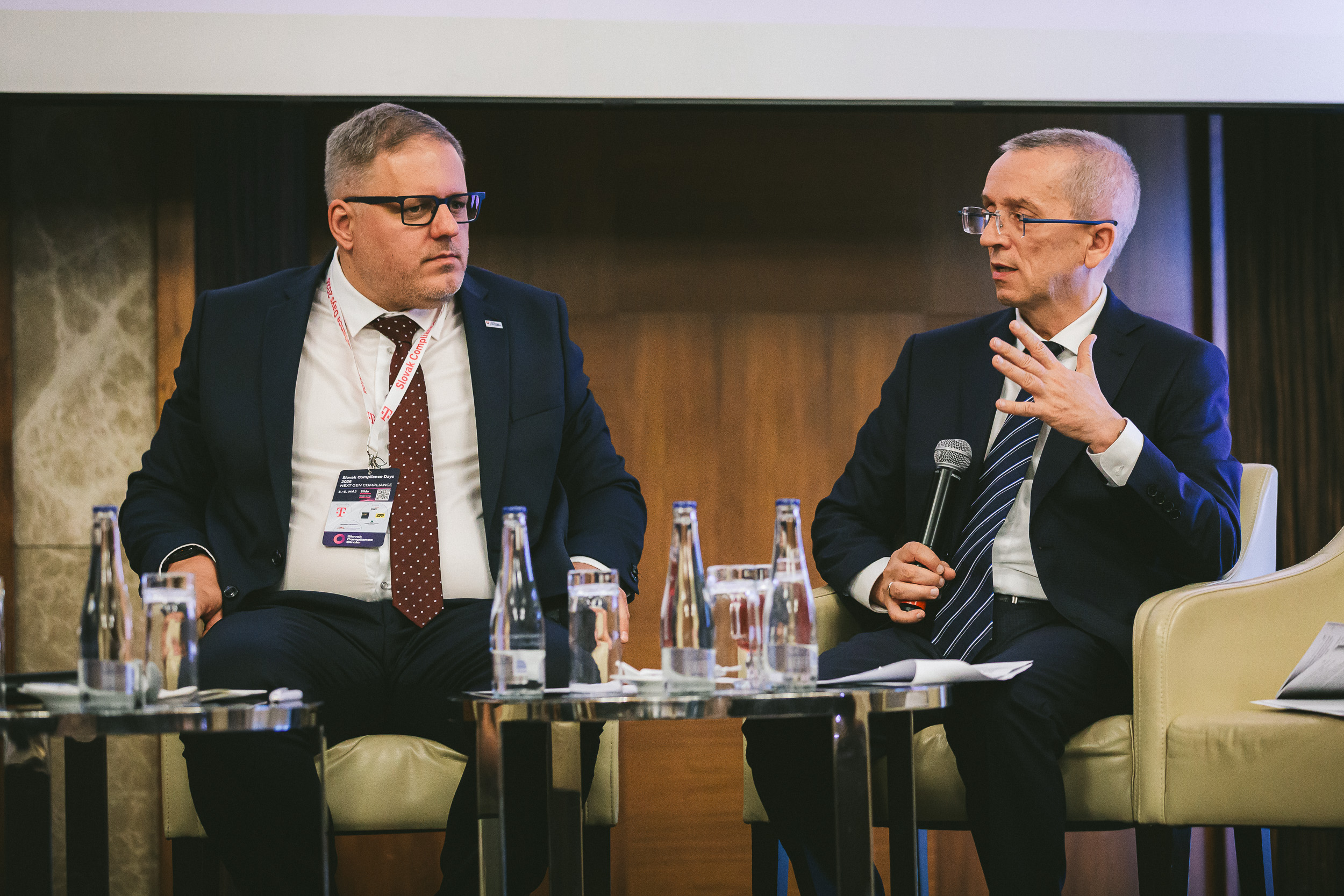
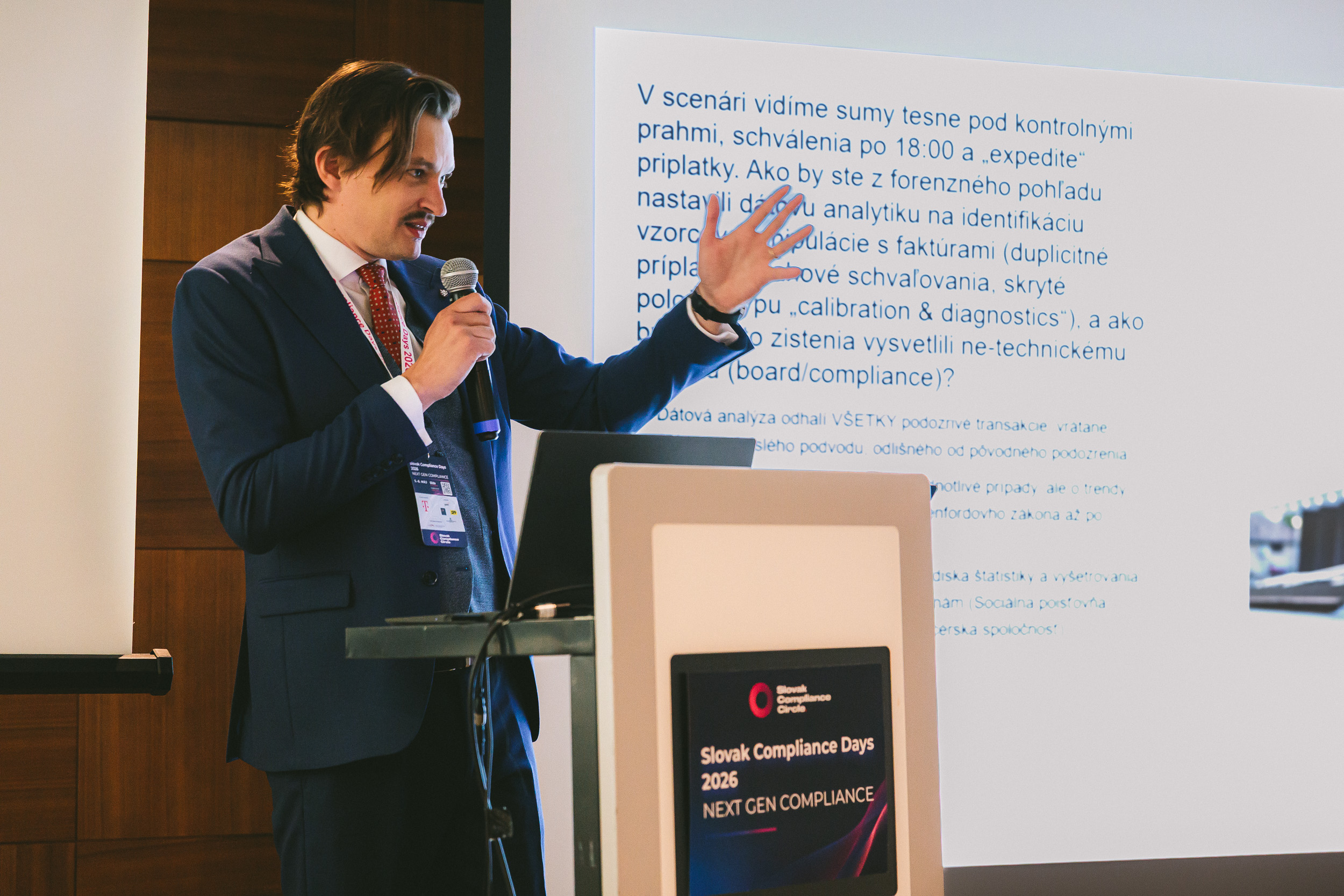
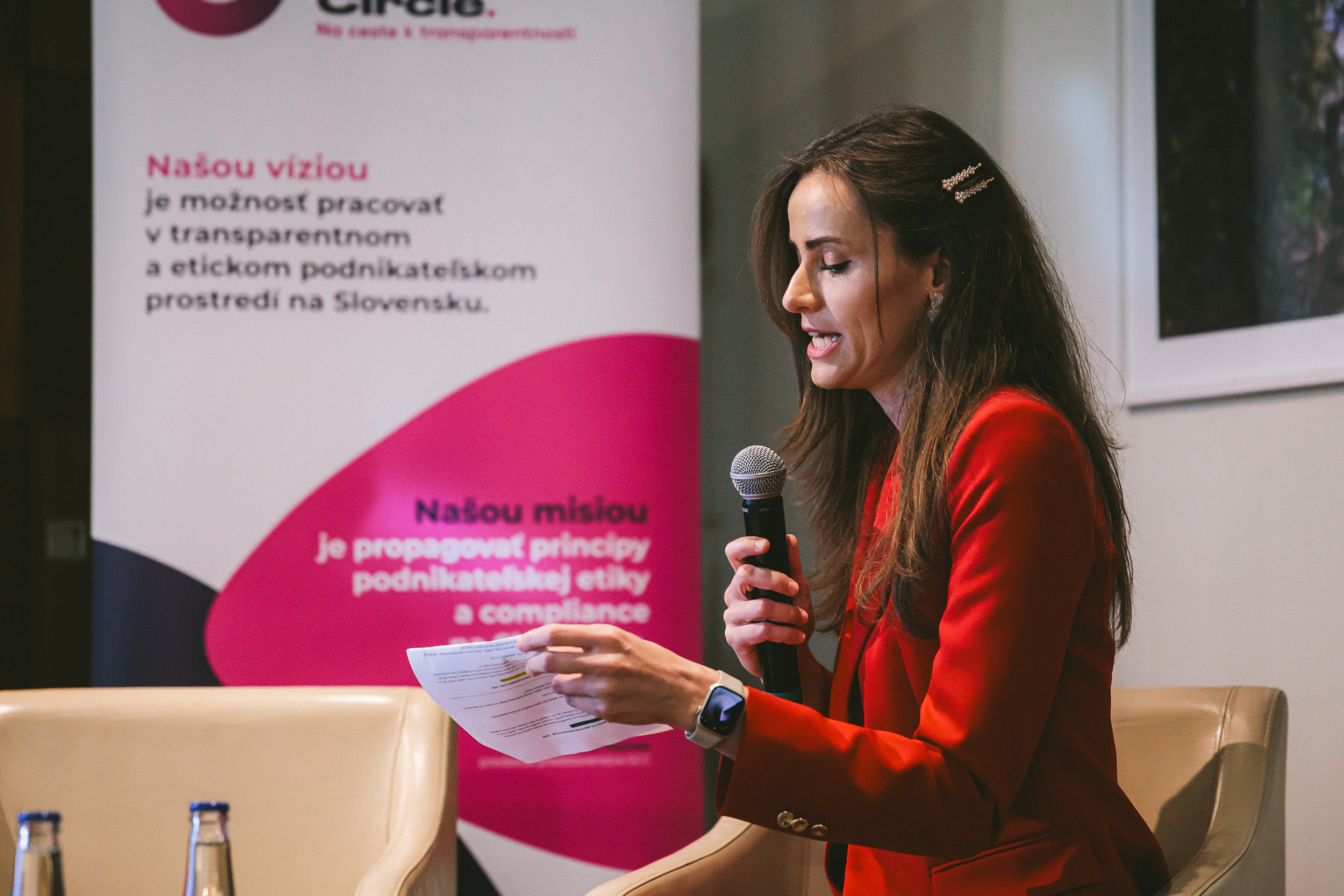
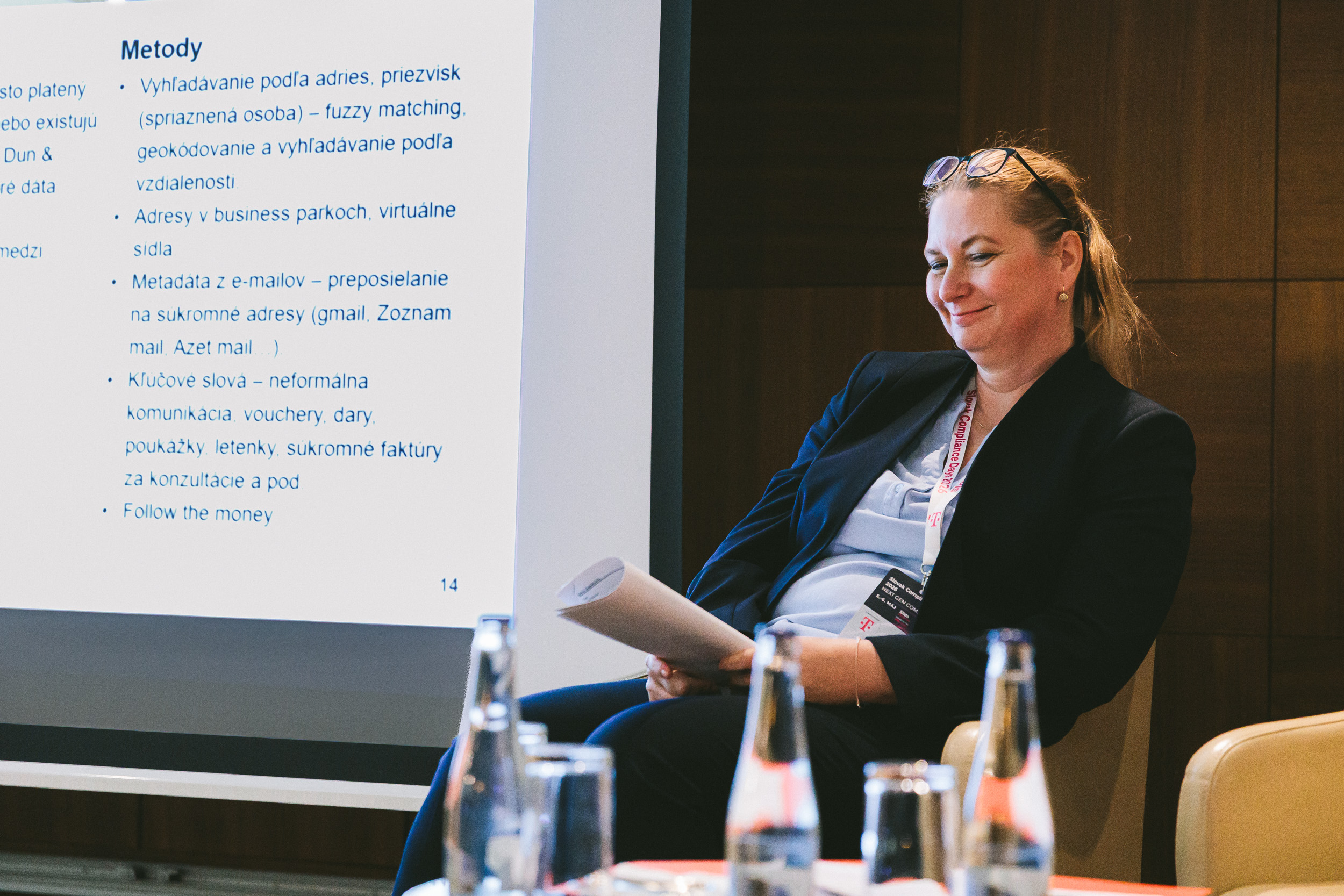
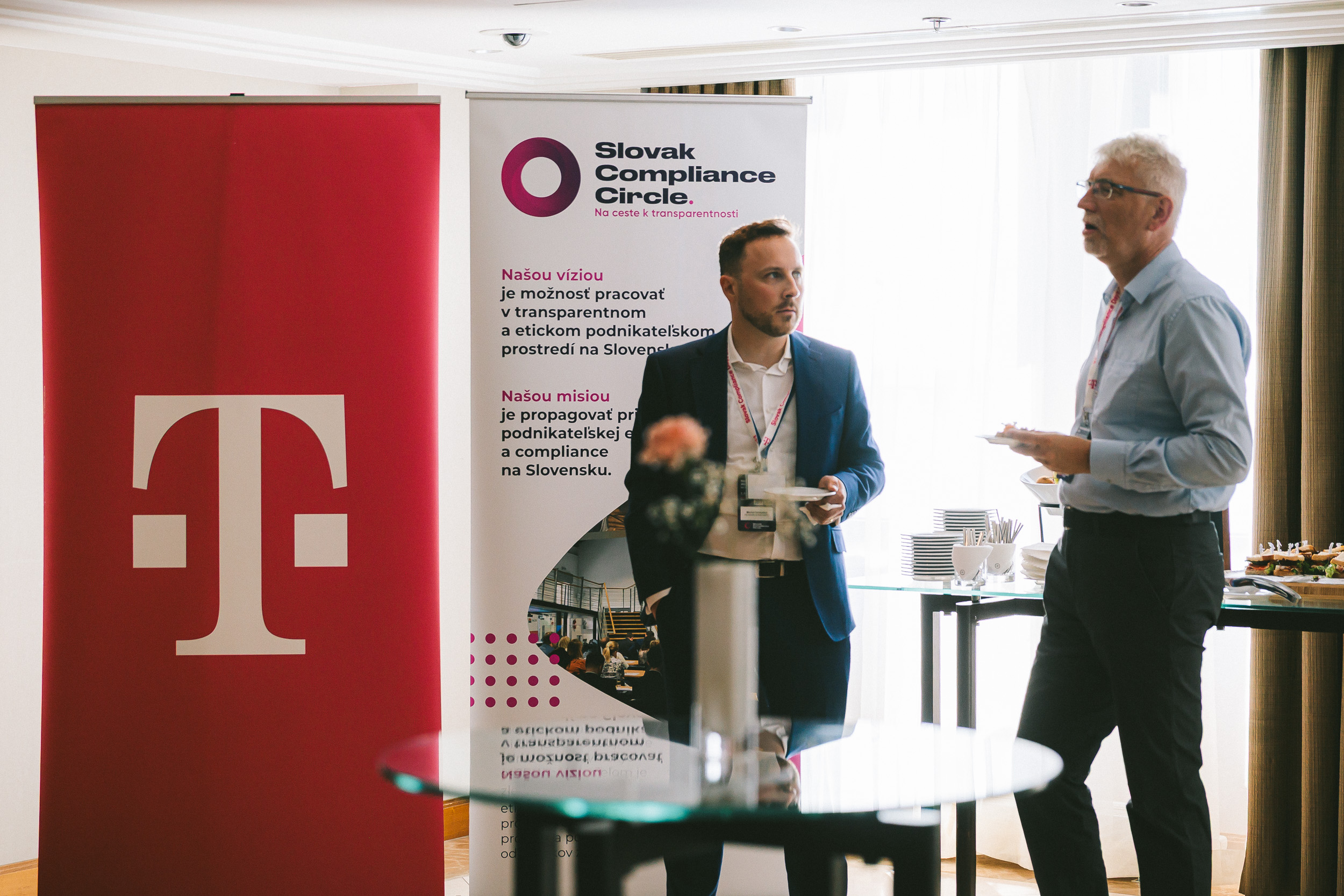
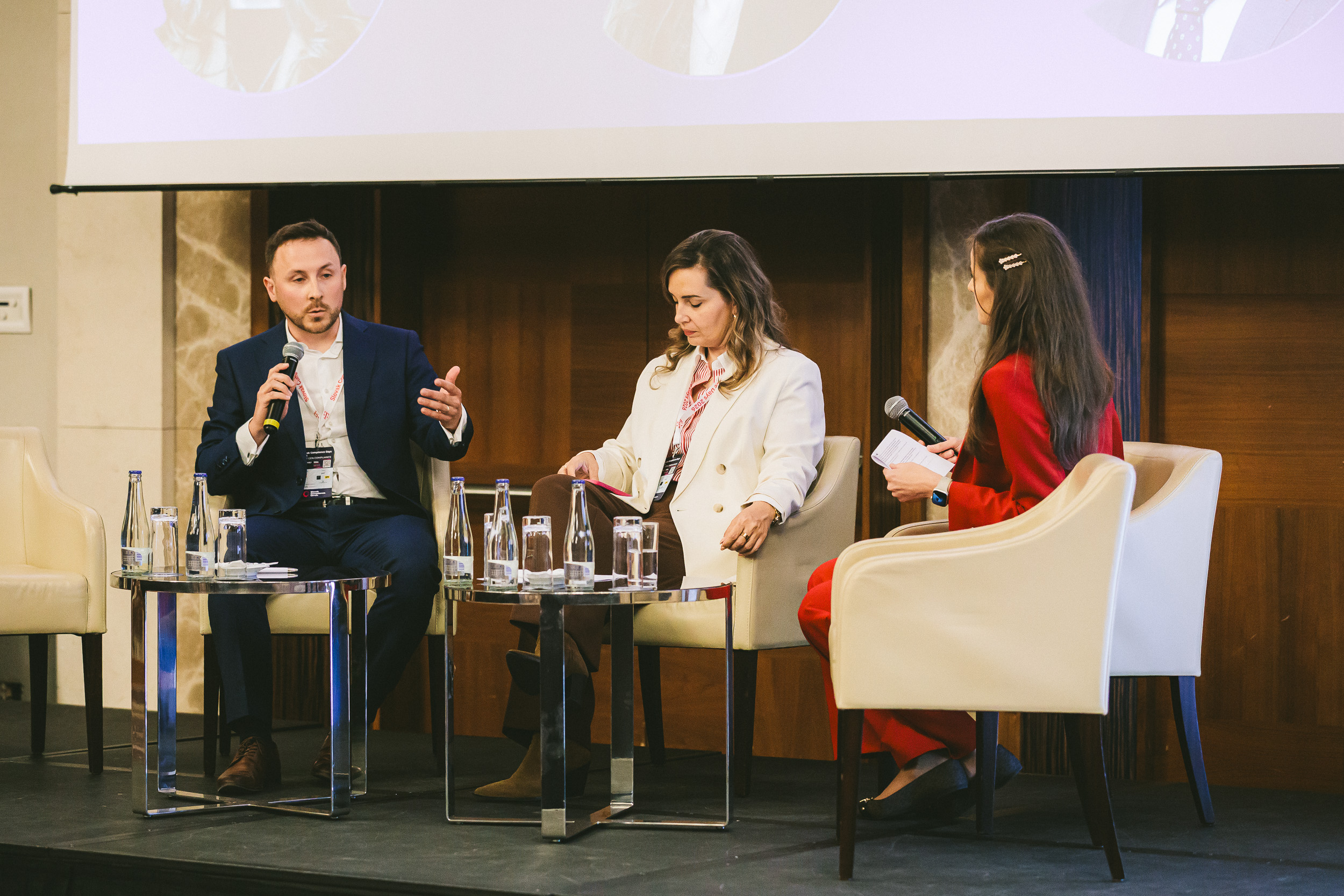
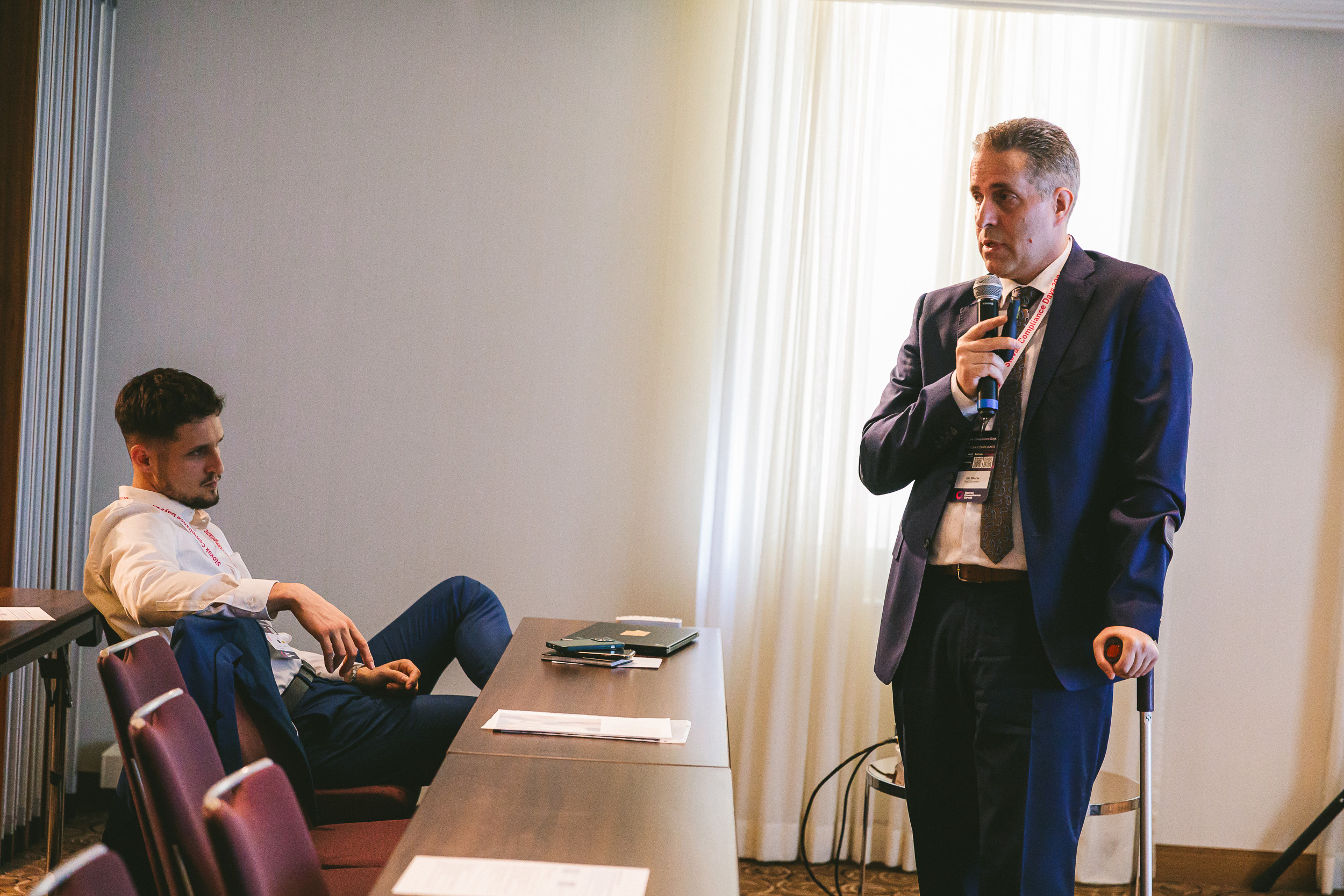
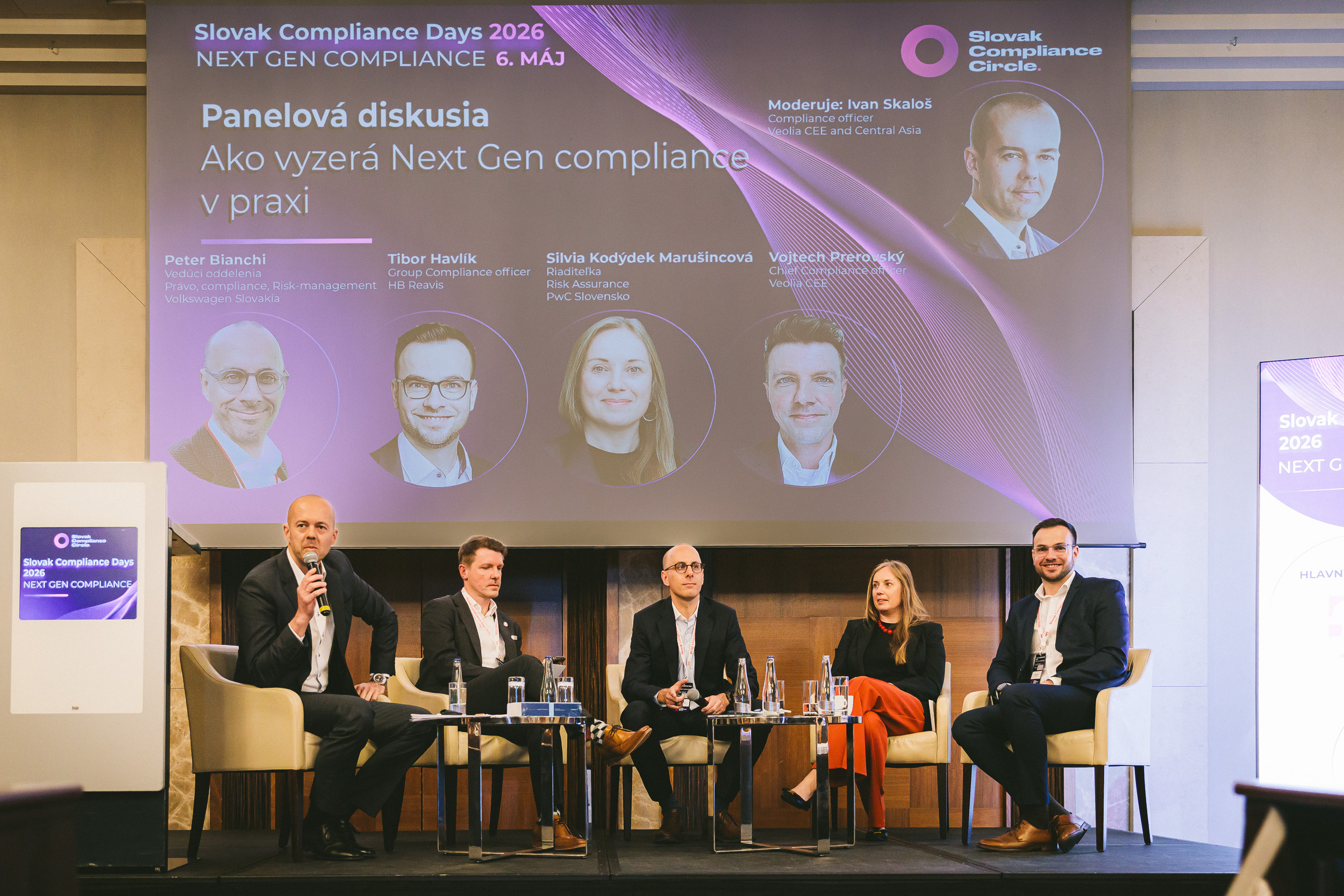
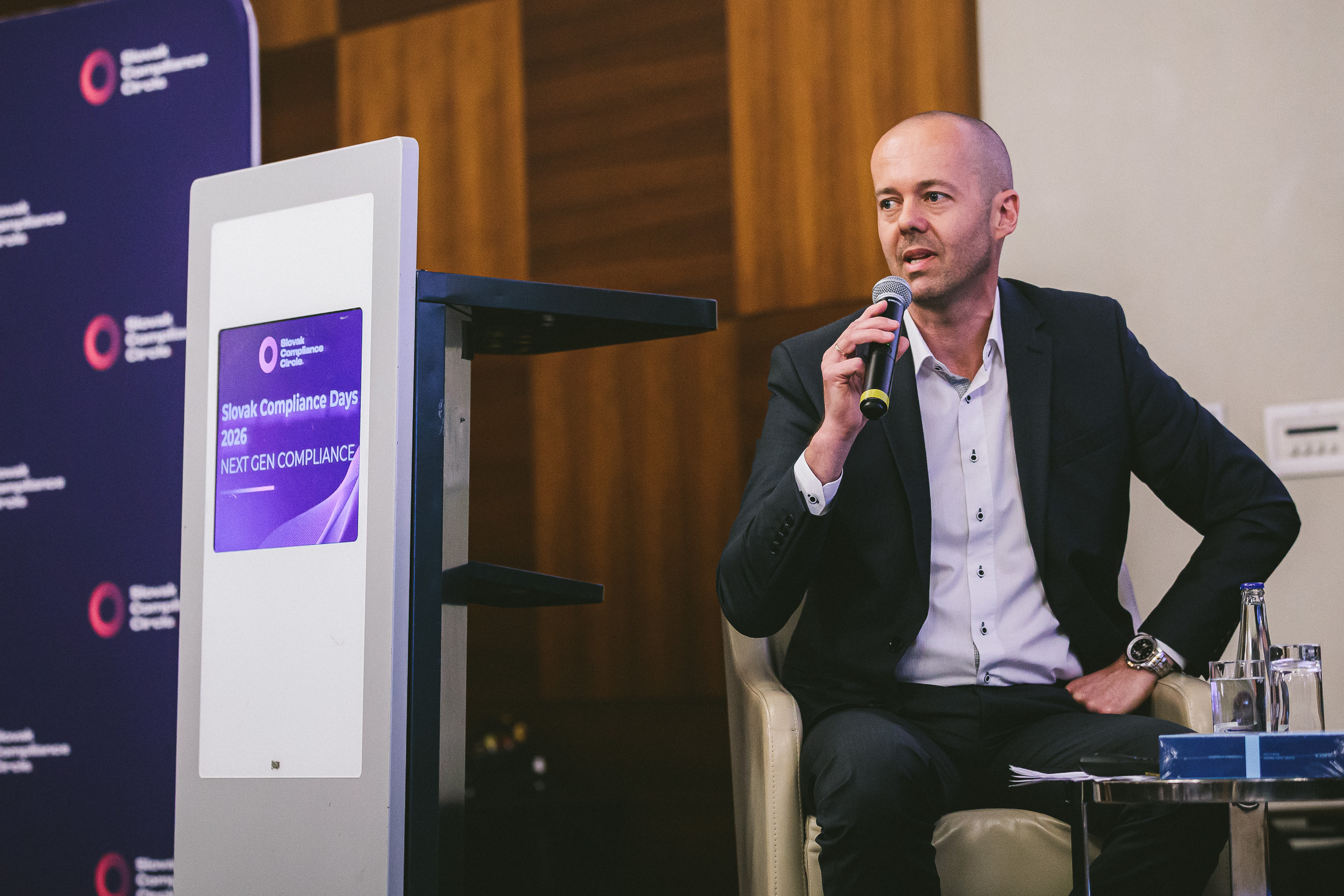
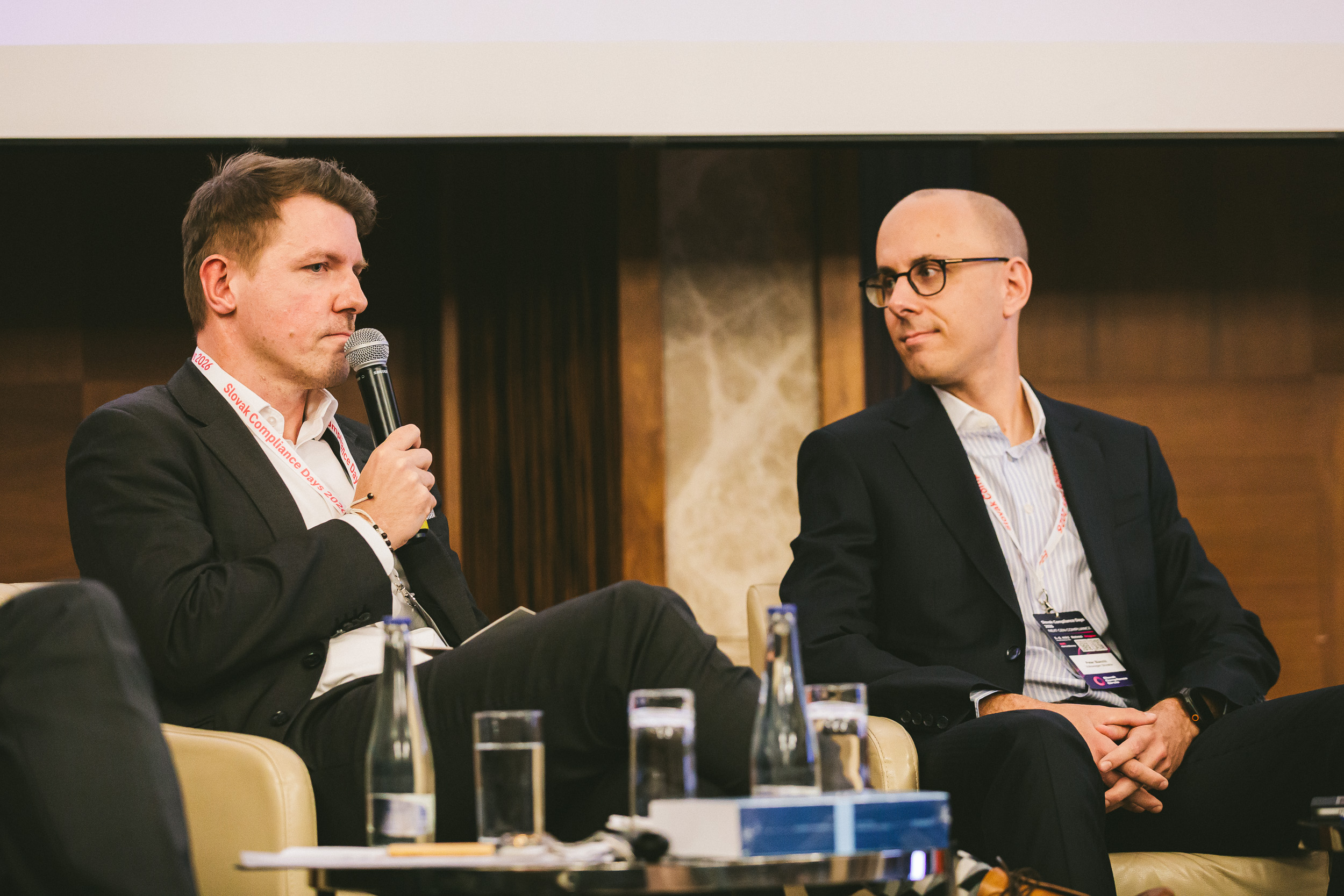
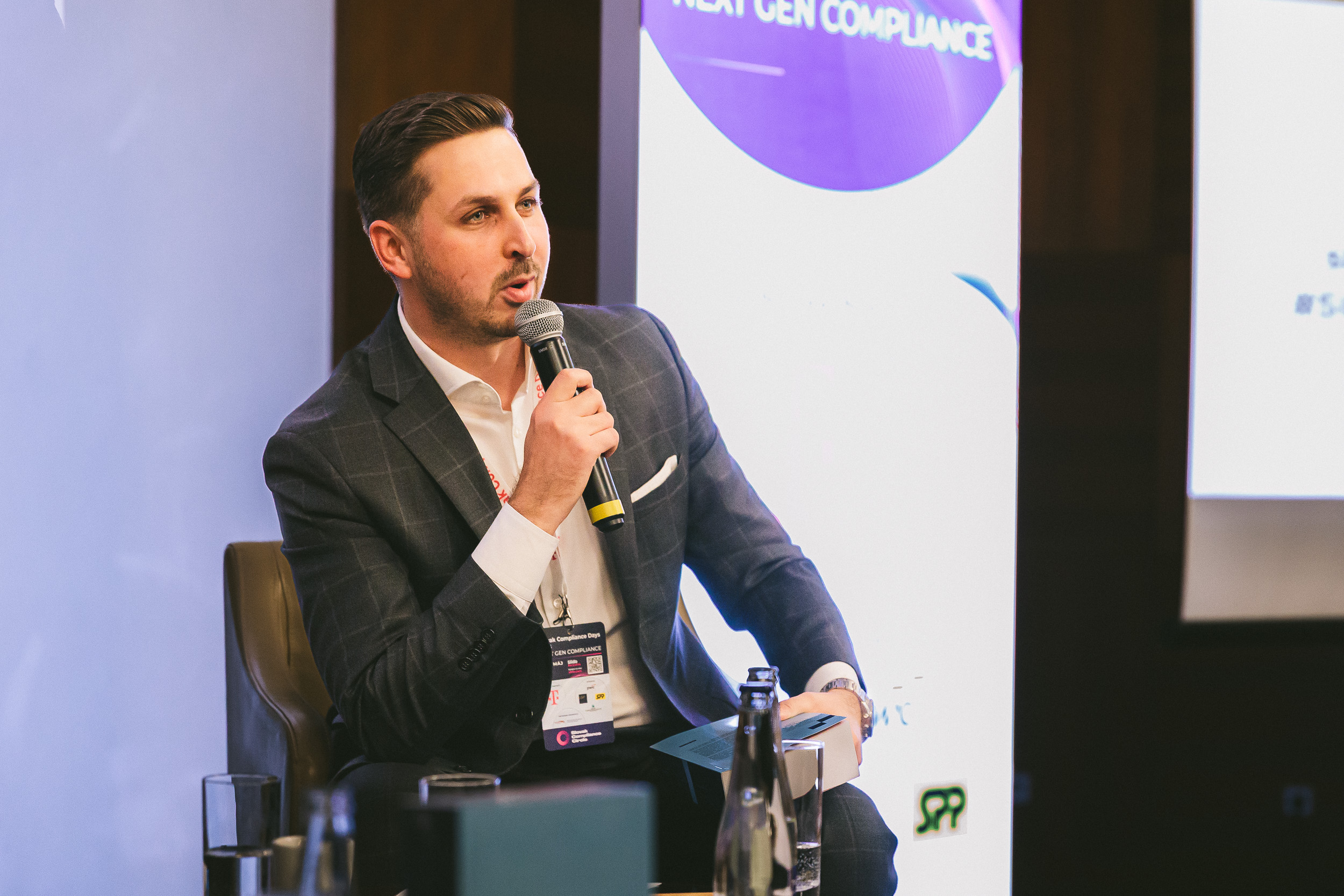
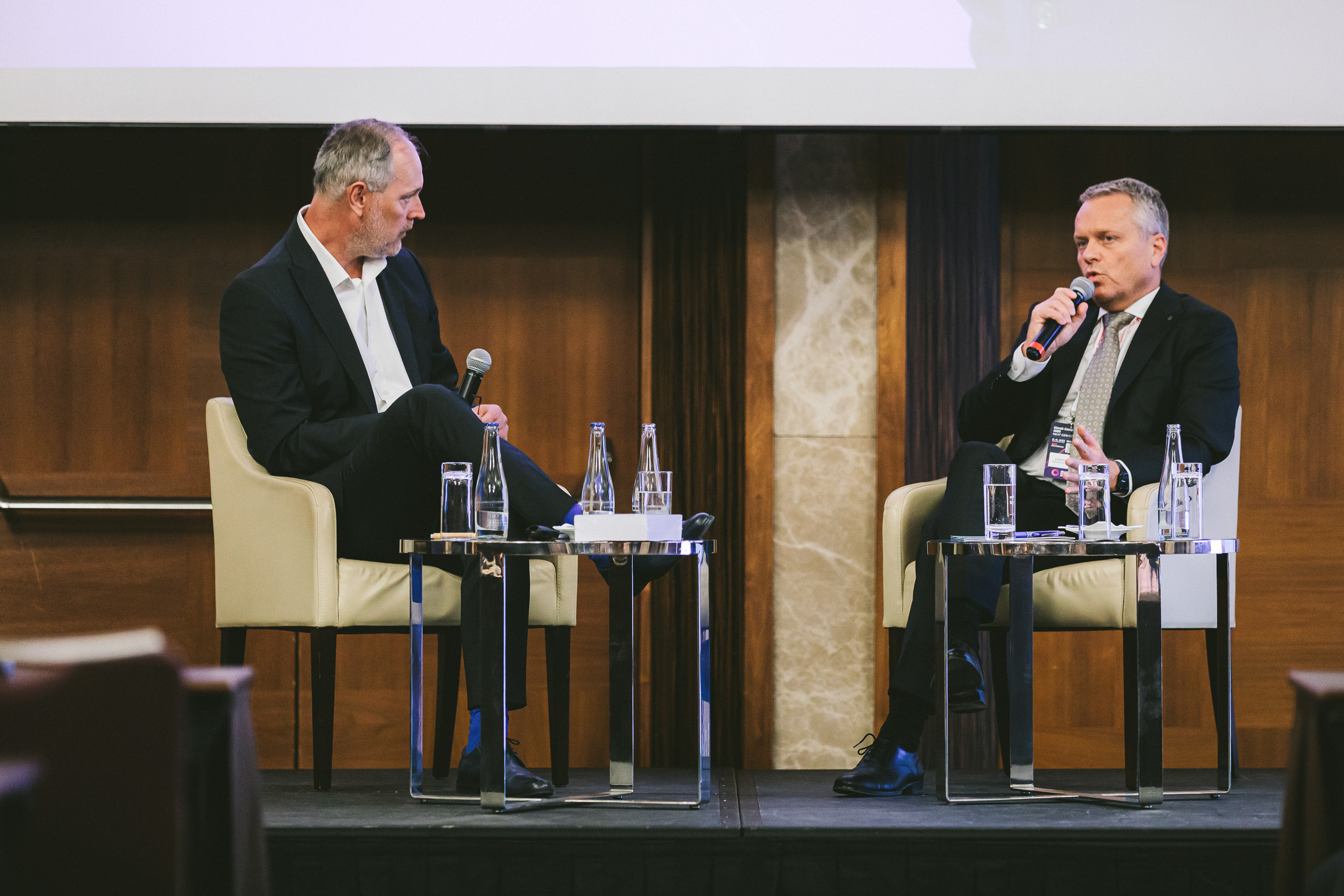
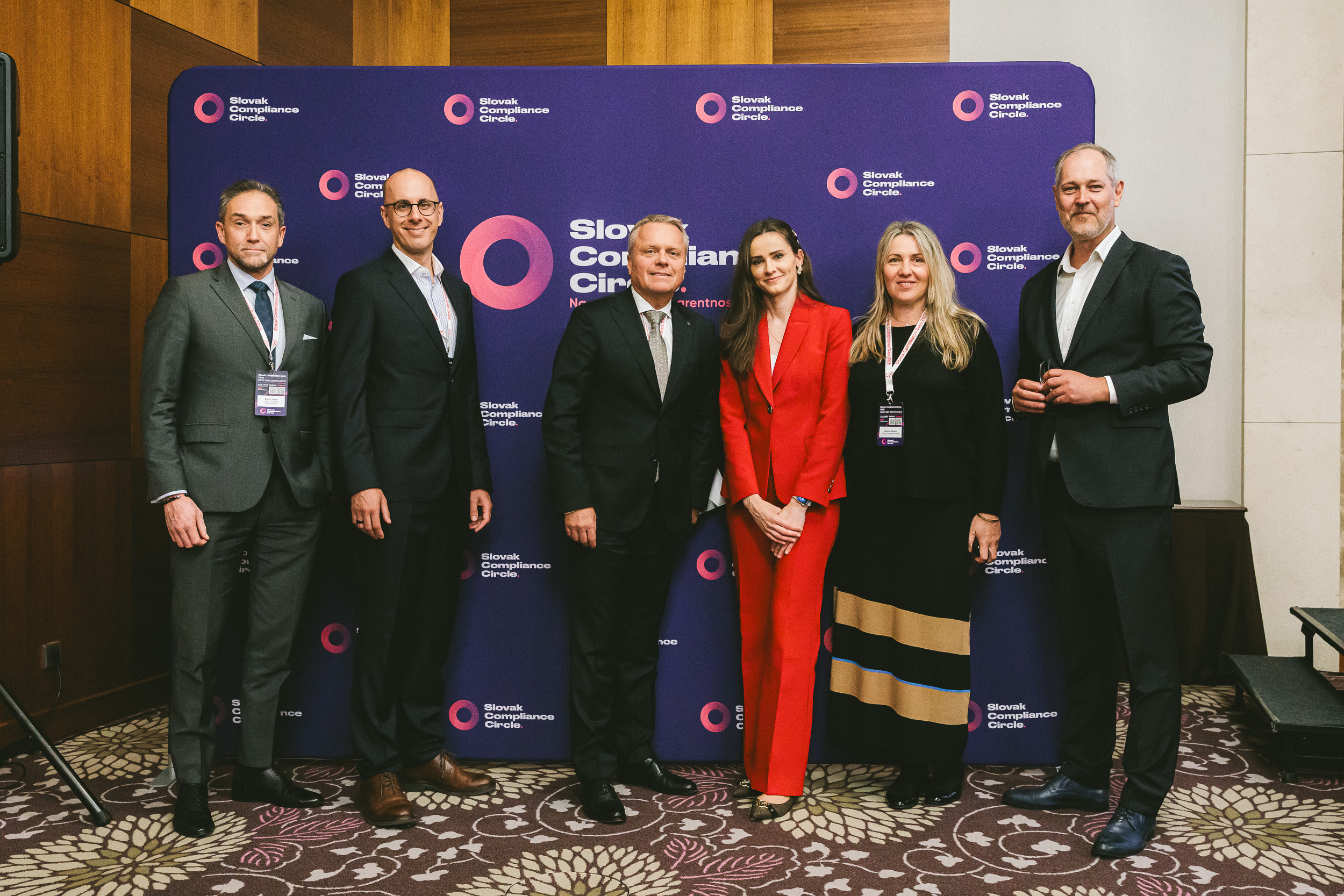
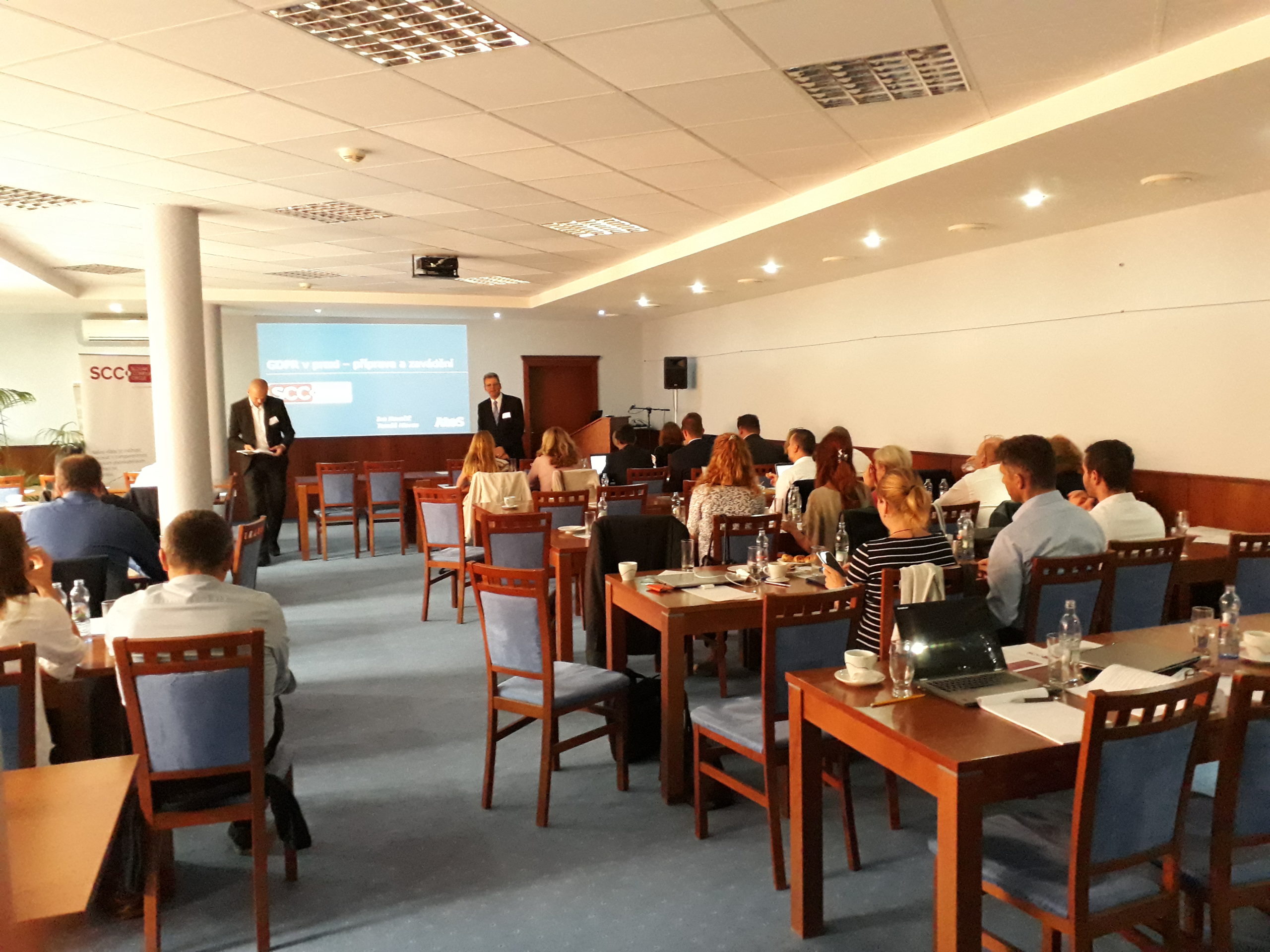
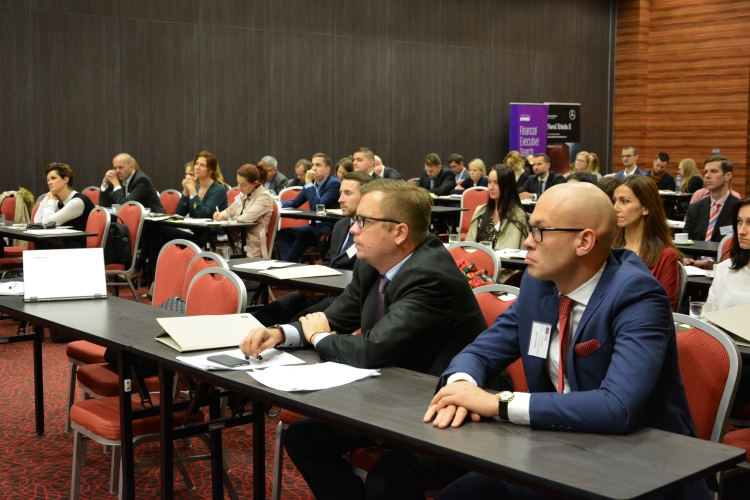
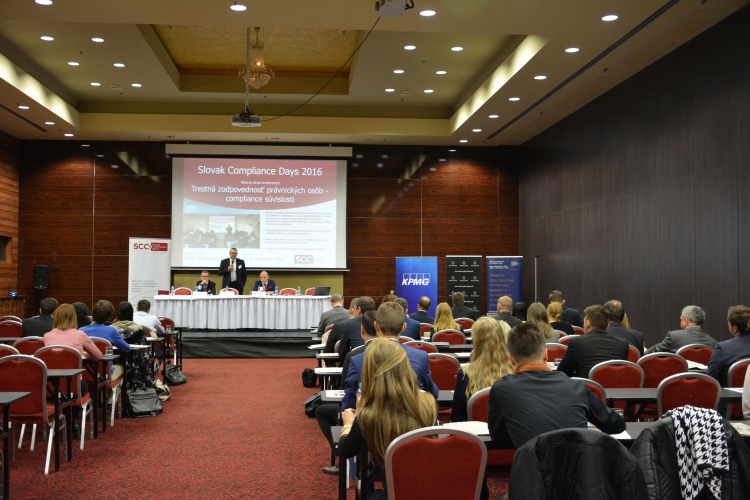
The 11th annual Slovak Compliance Days 2026 conference, held under the main theme NEXT GEN Compliance, confirmed that compliance is no longer just about following rules. The focus was on people, technology, emerging forms of risk, and organizations’ ability to make the right decisions in times of uncertainty, geopolitical change, and digital transformation.
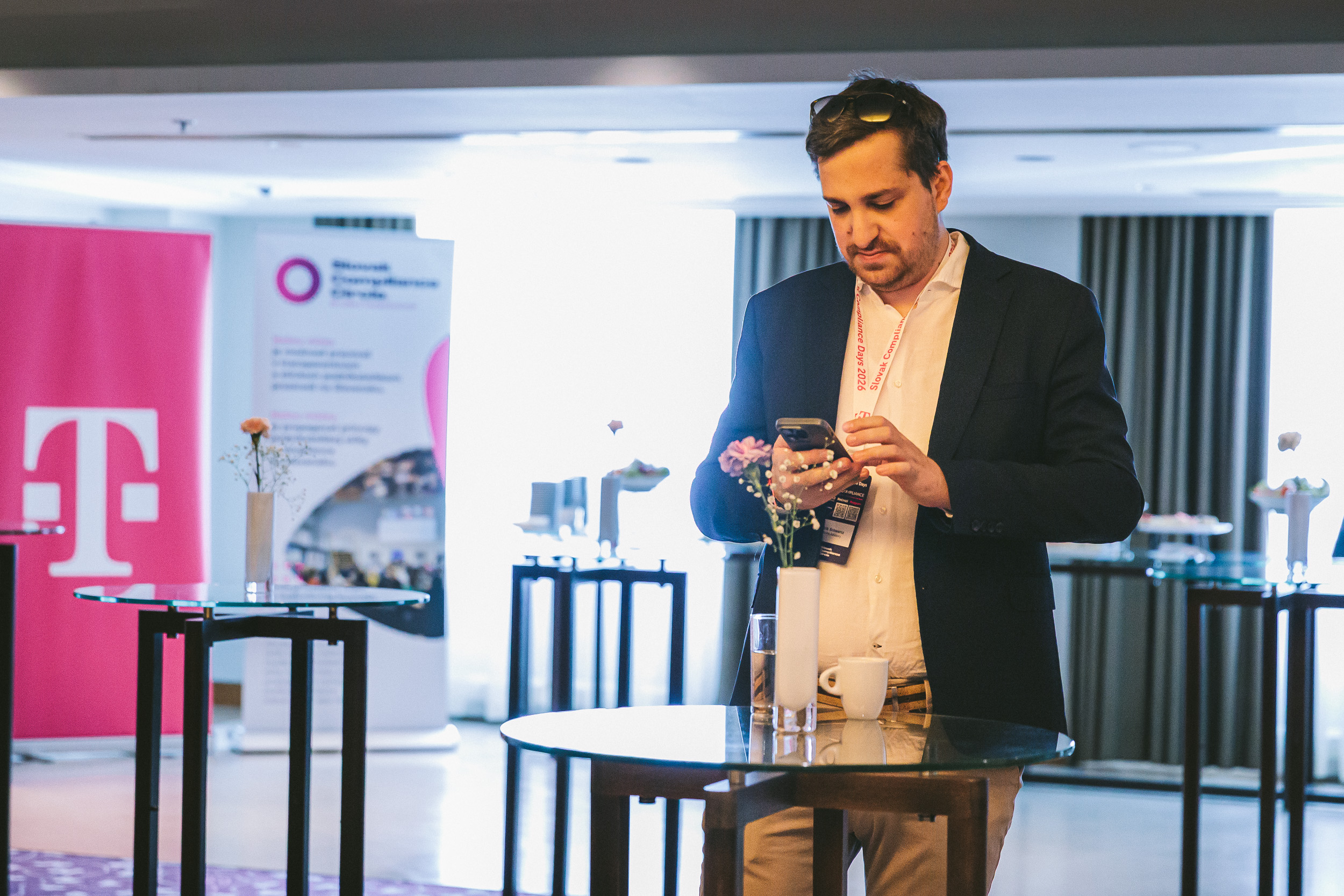
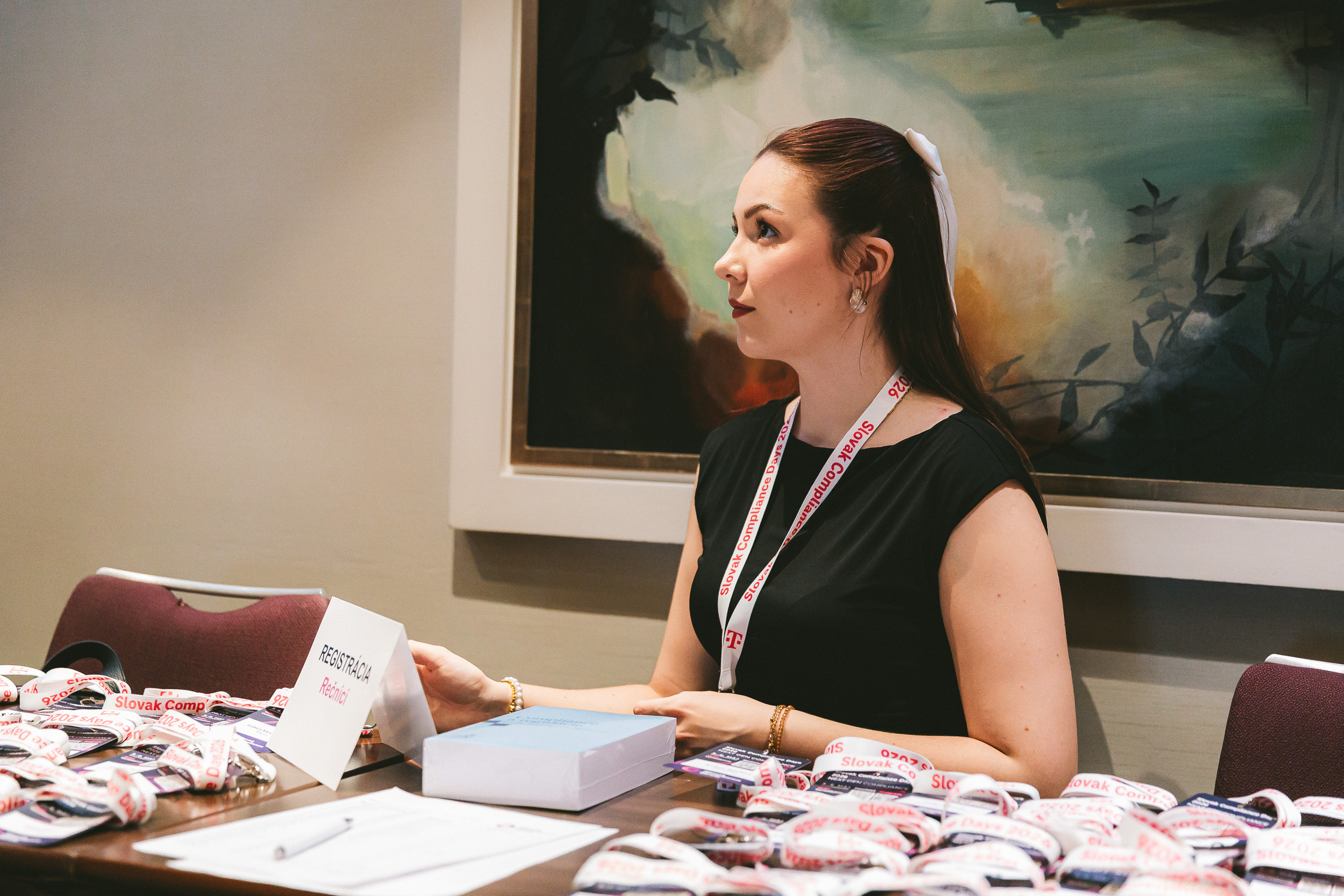
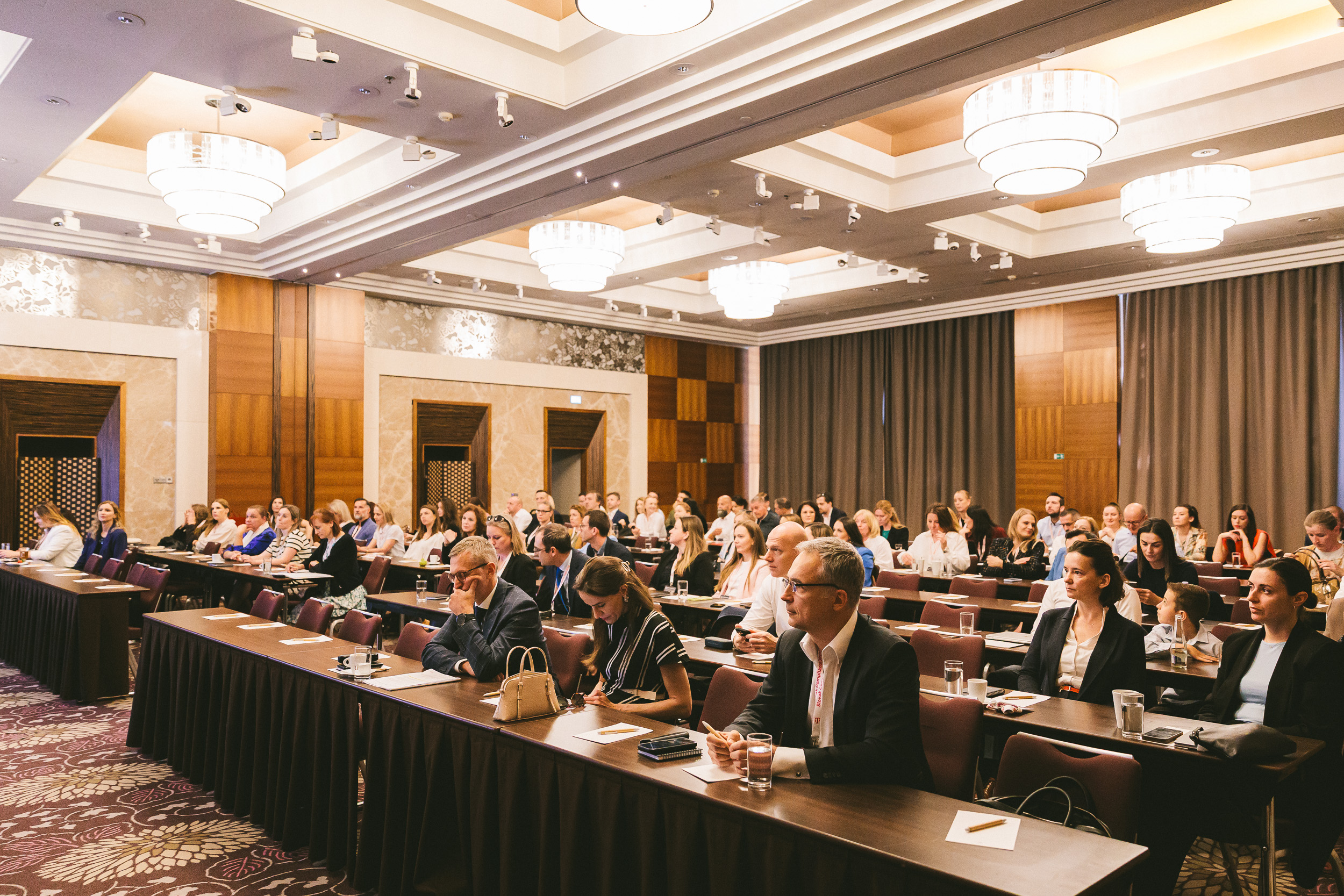
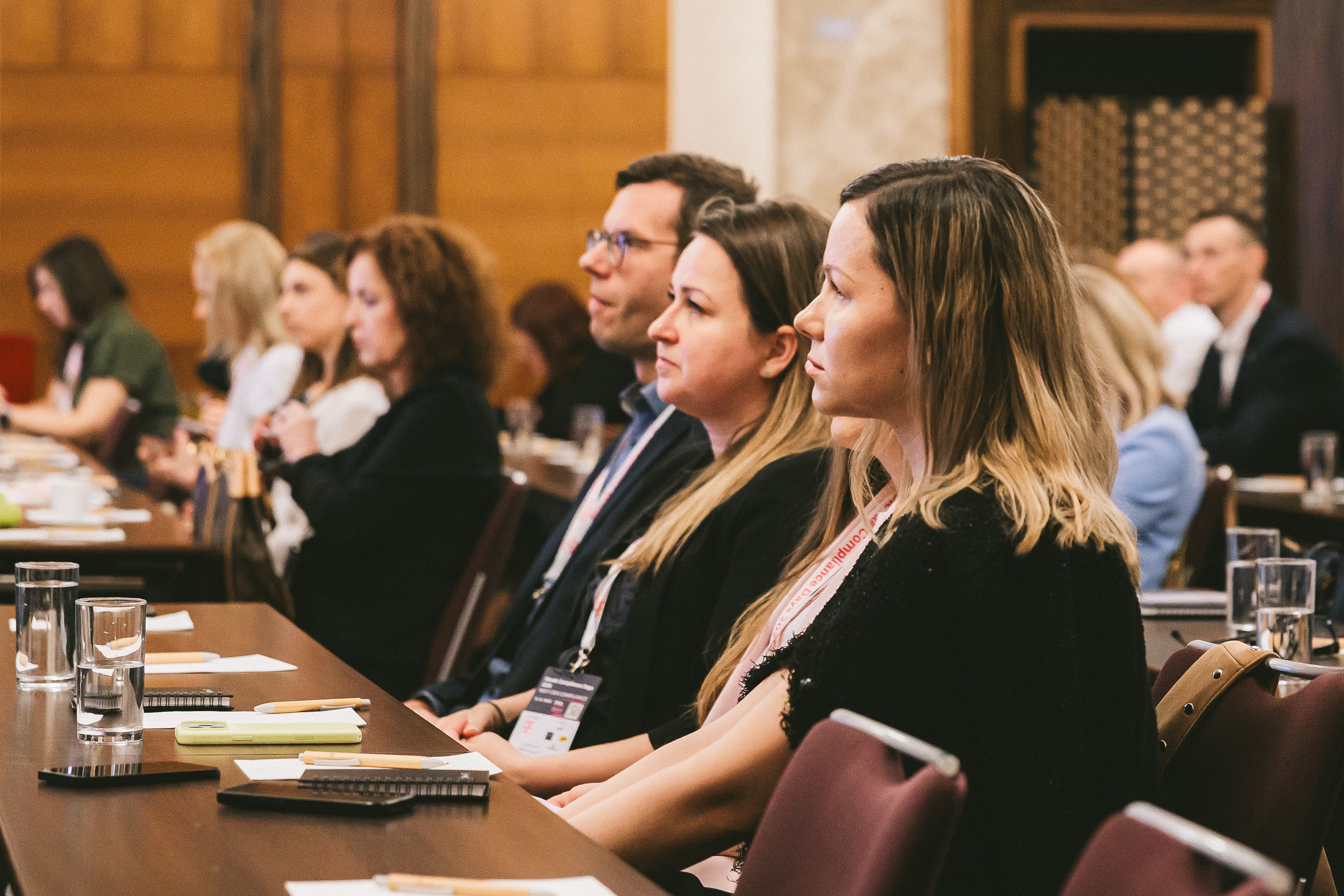
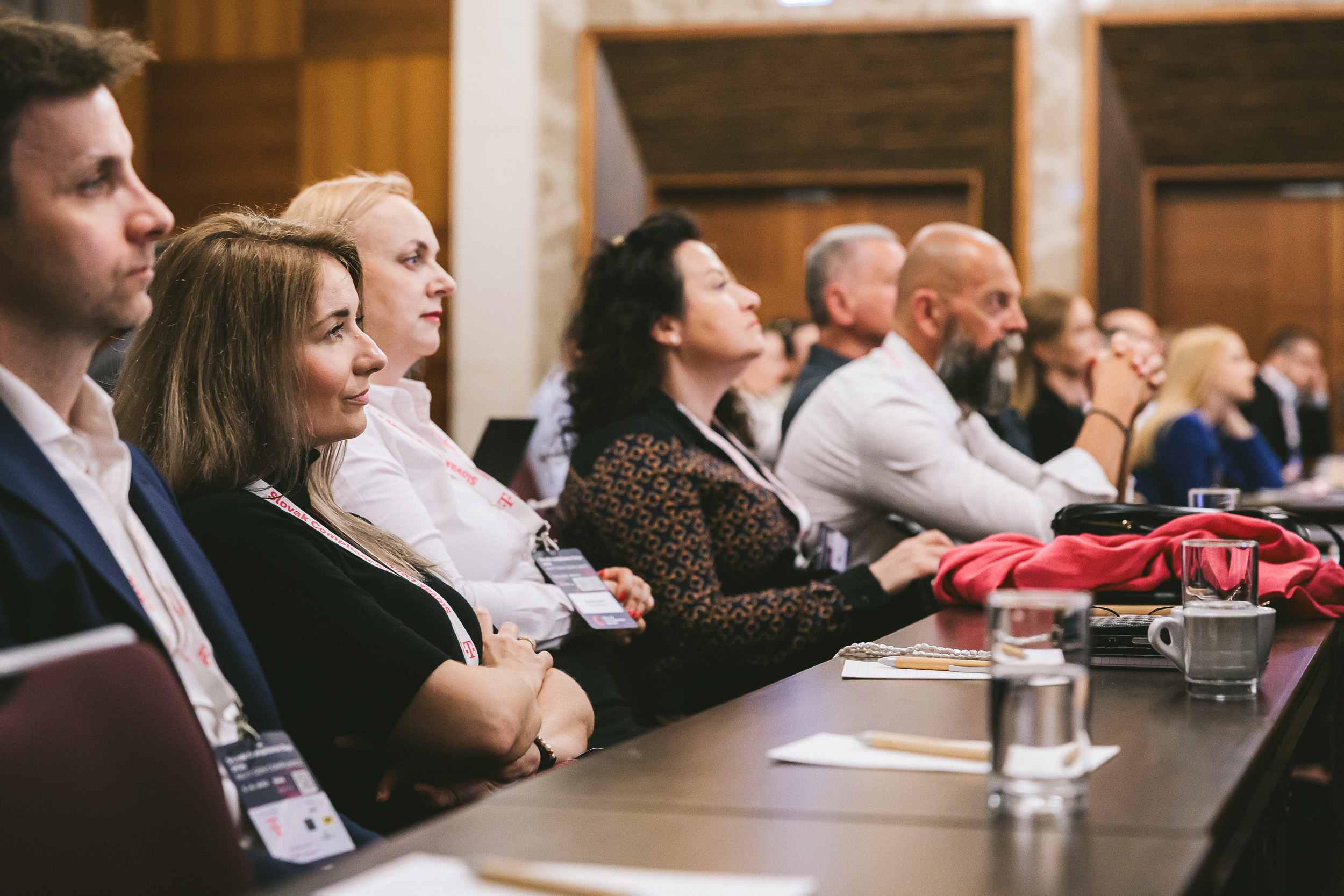
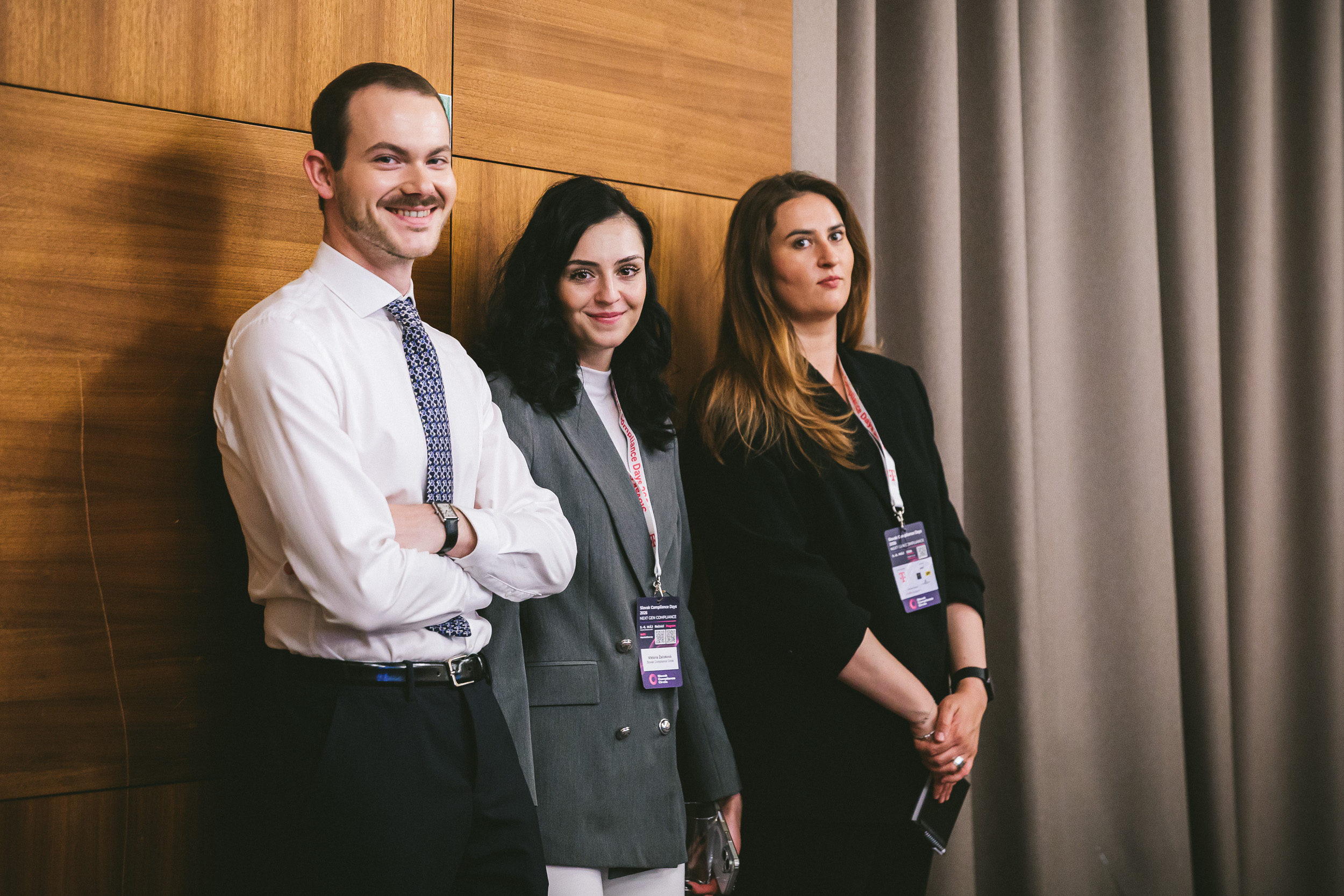
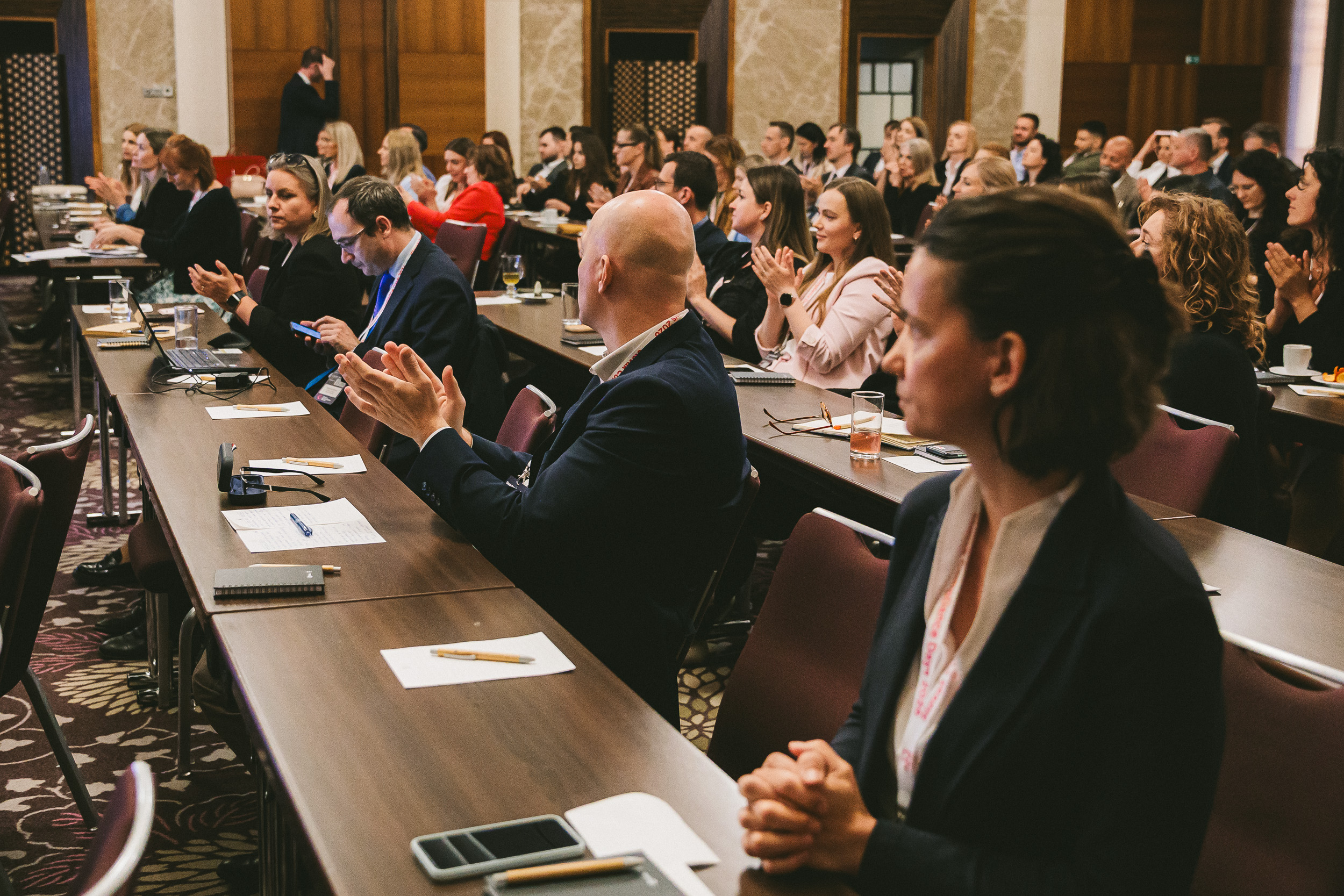
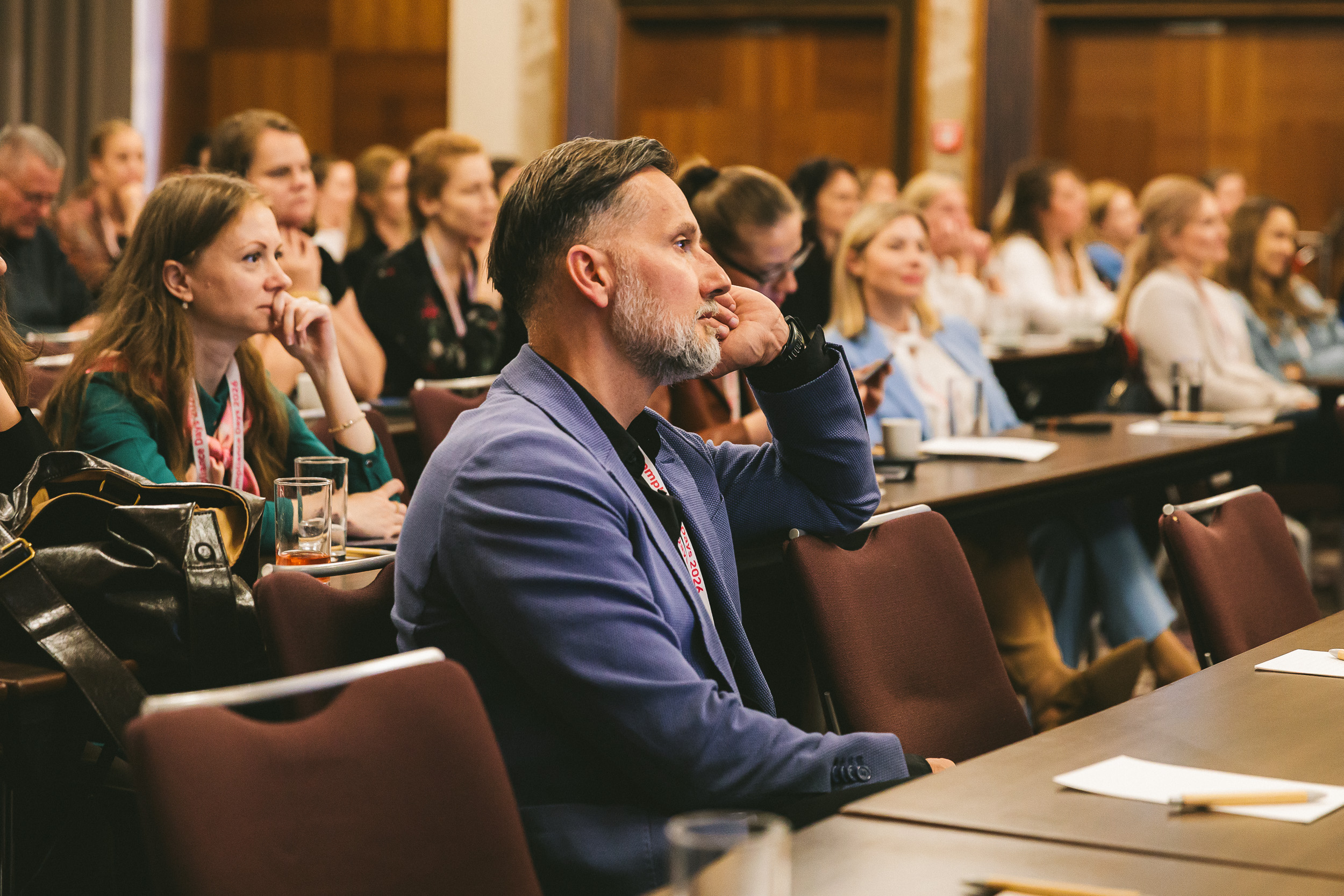
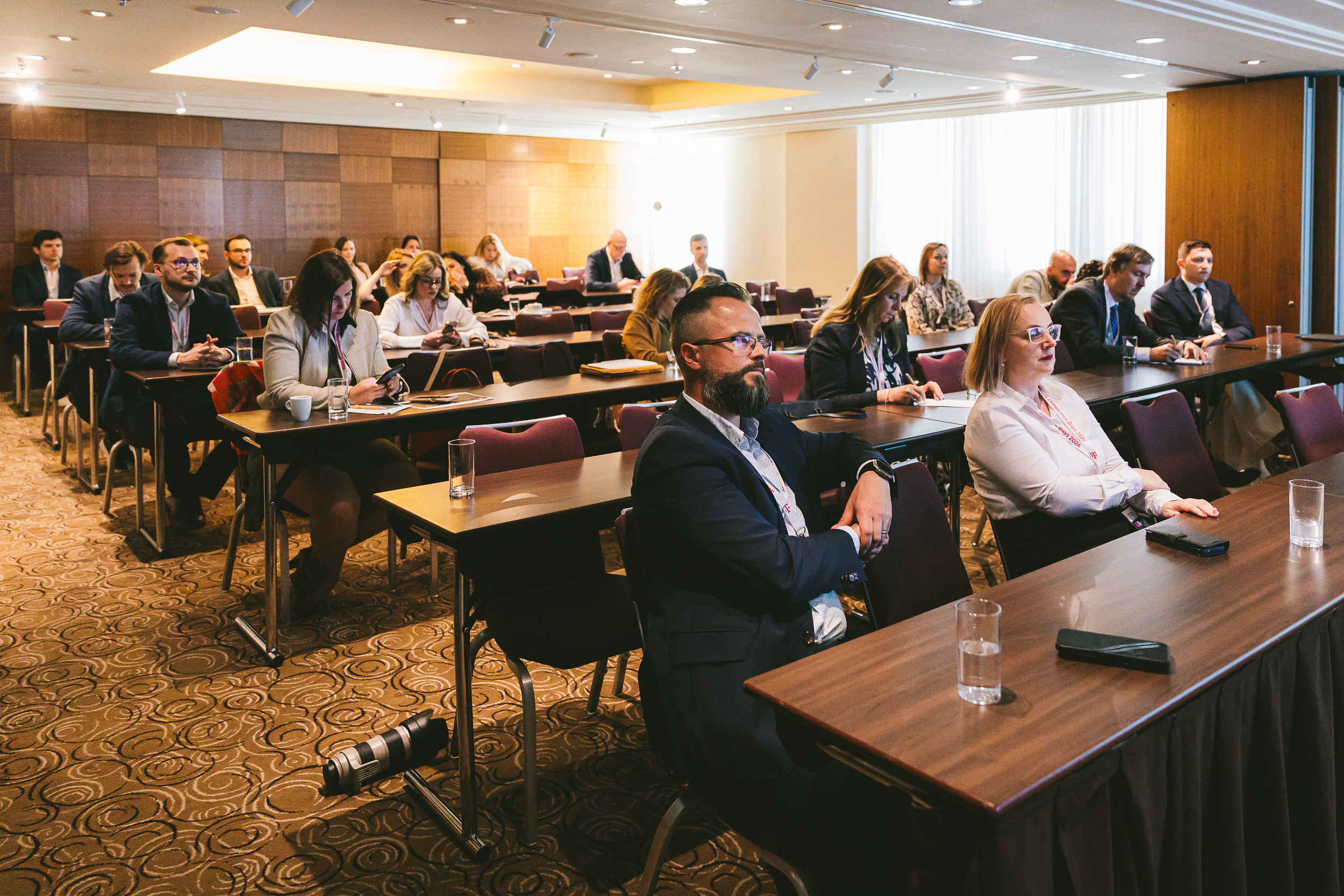
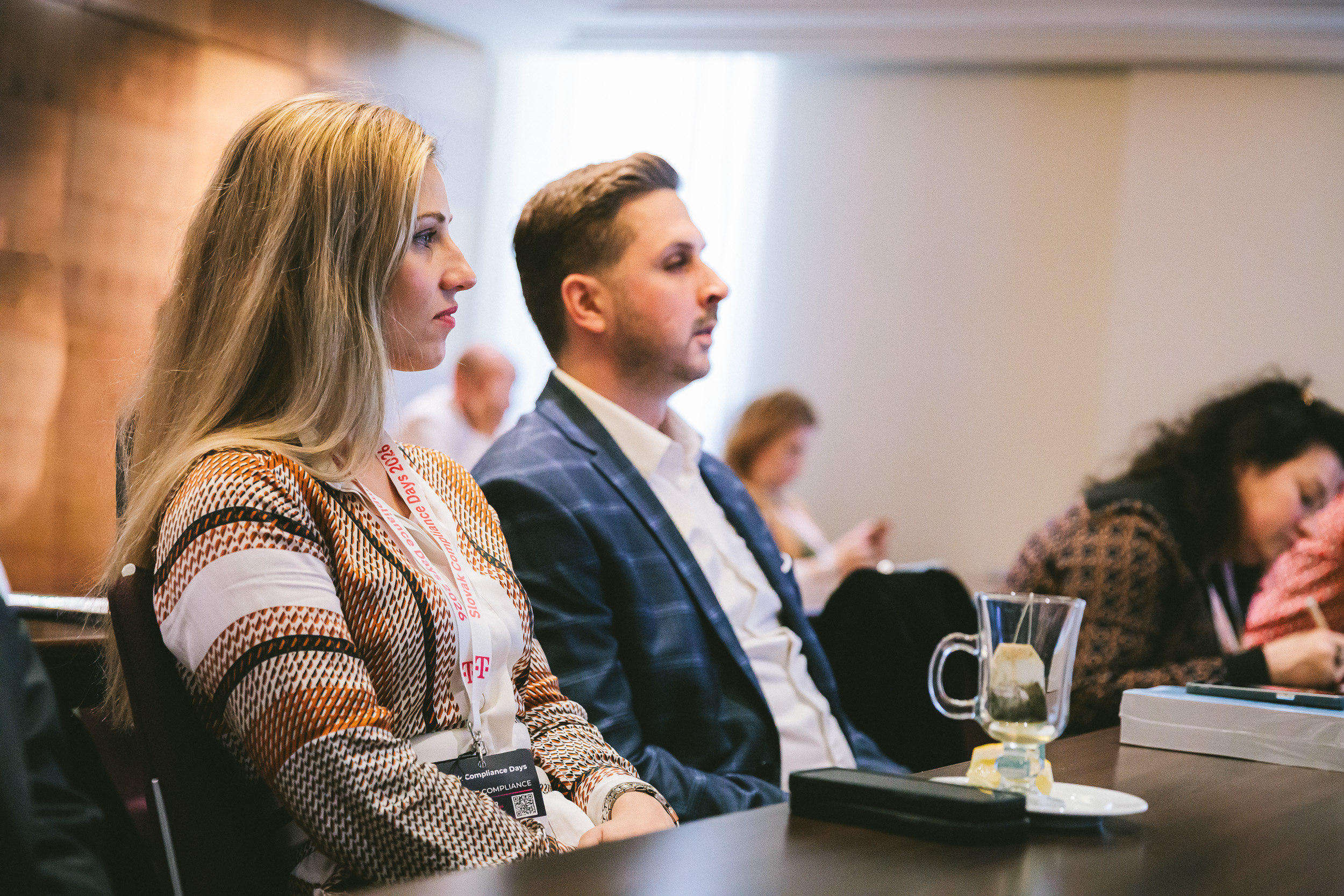
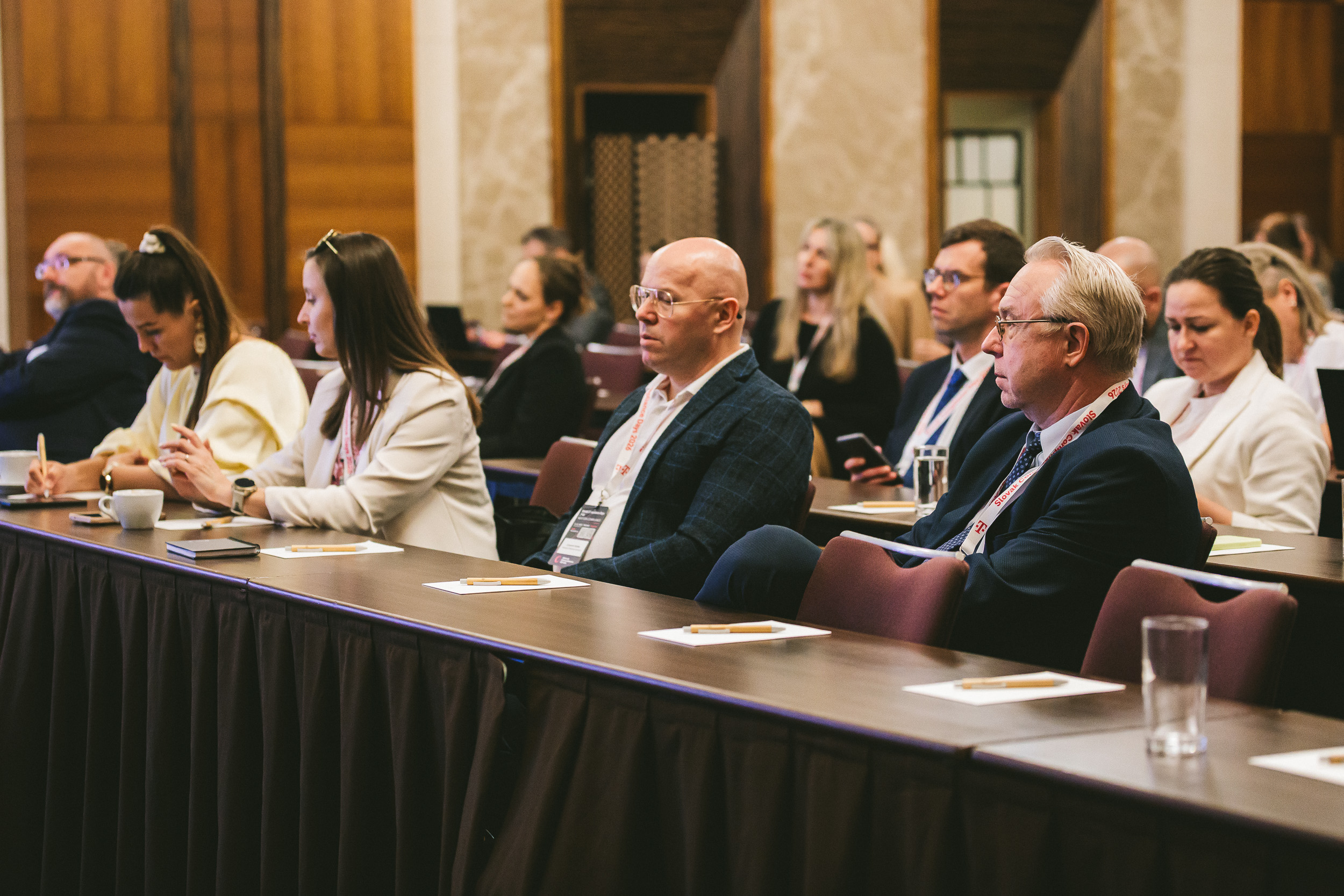
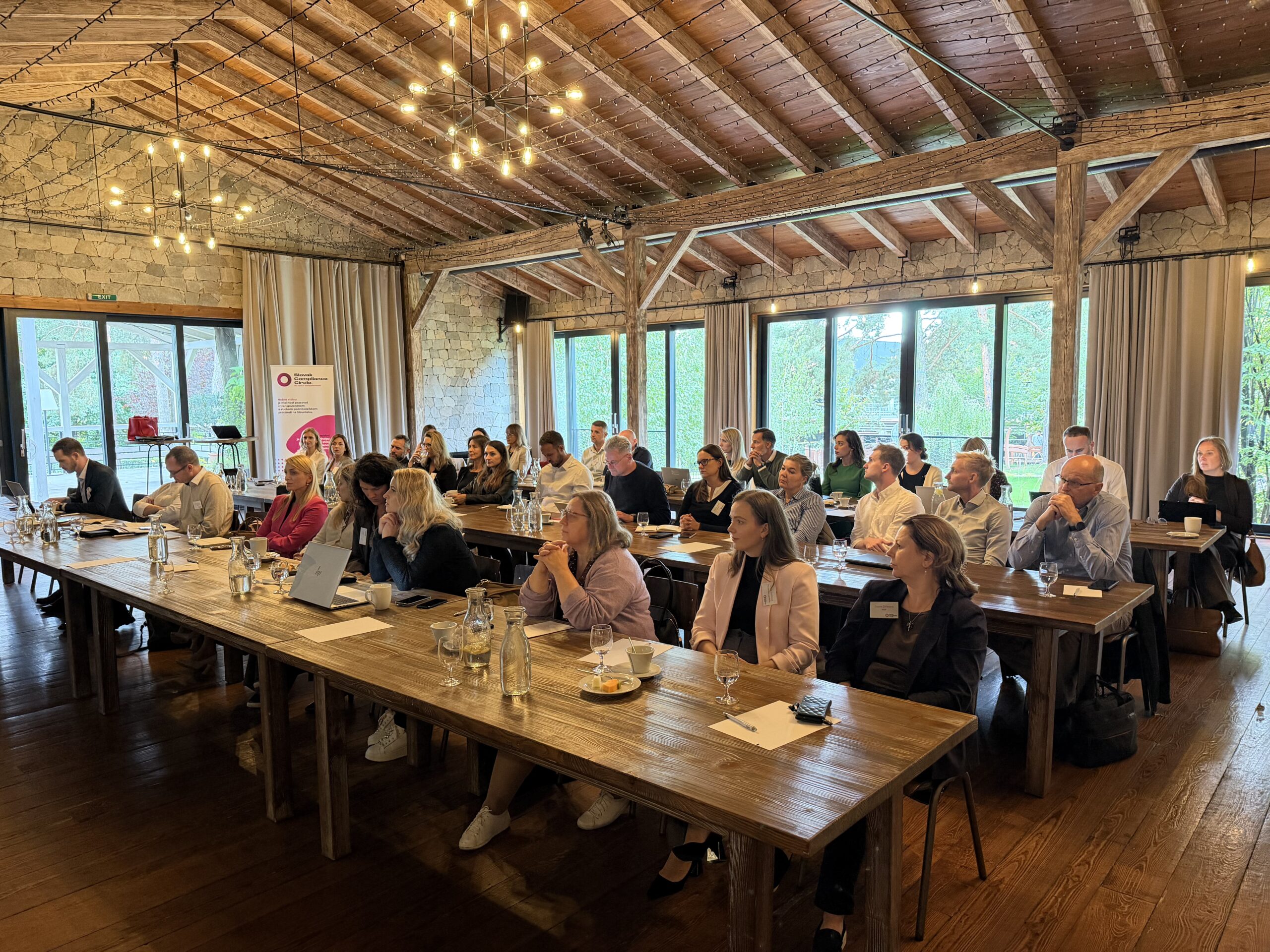
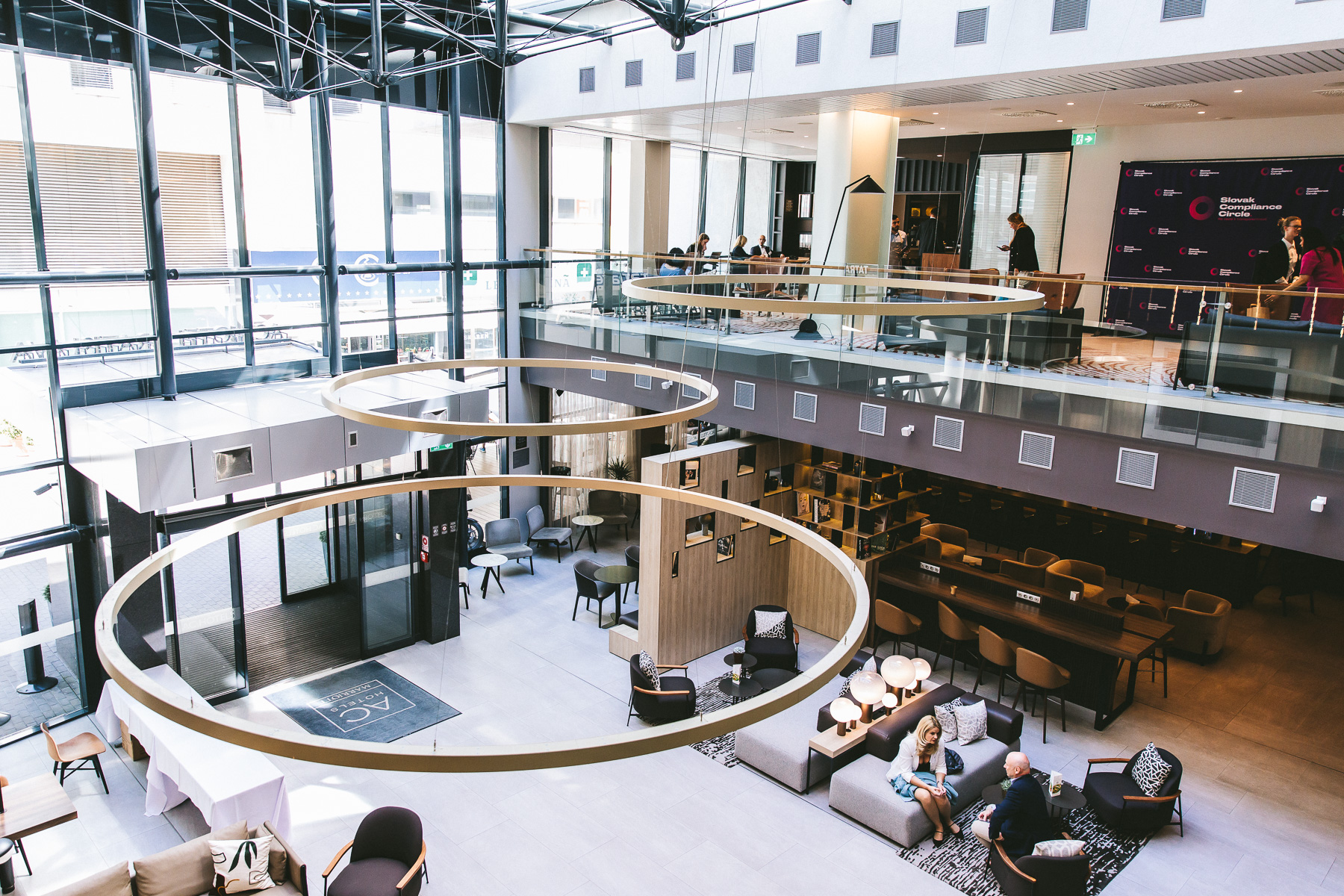
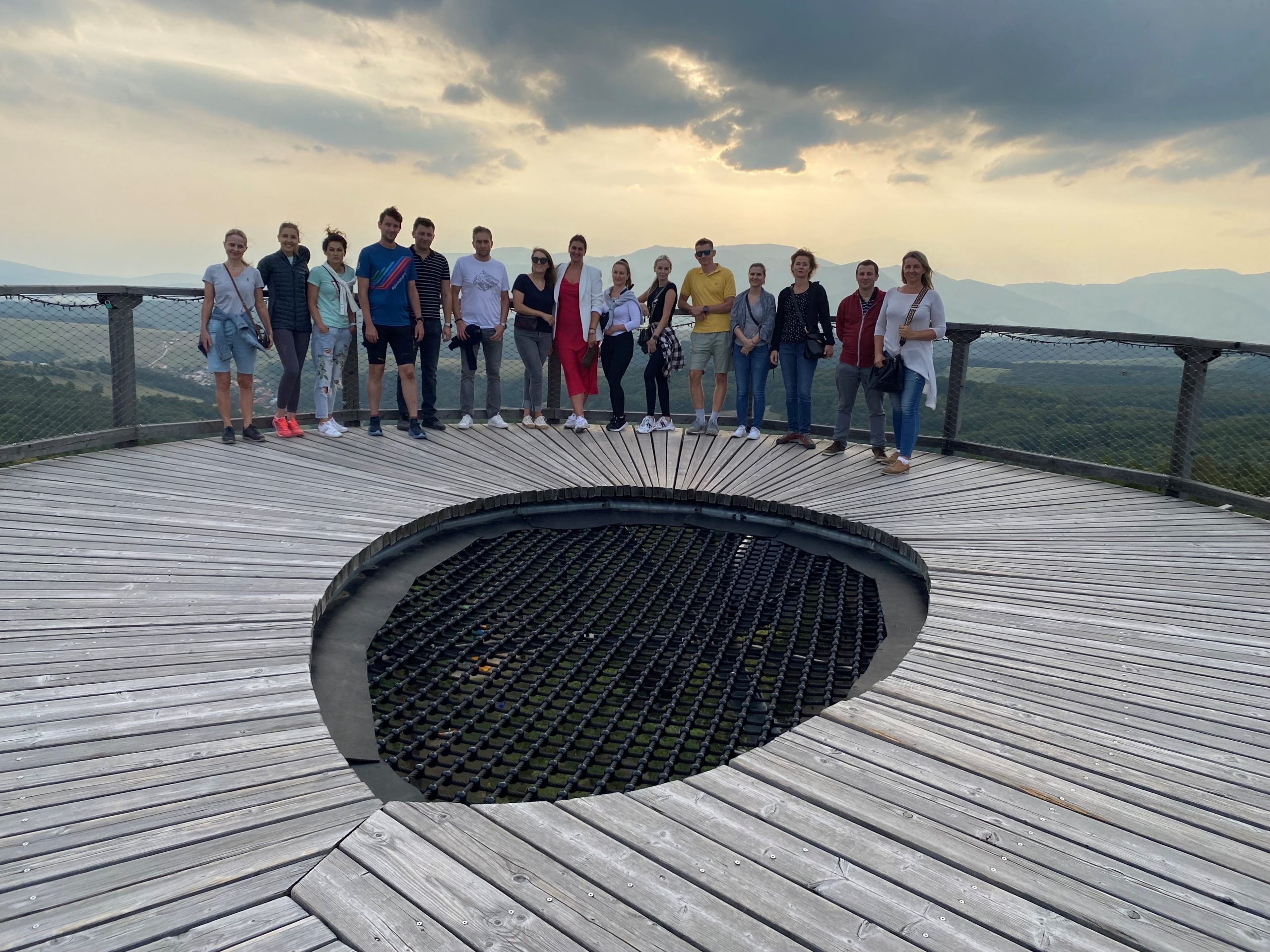
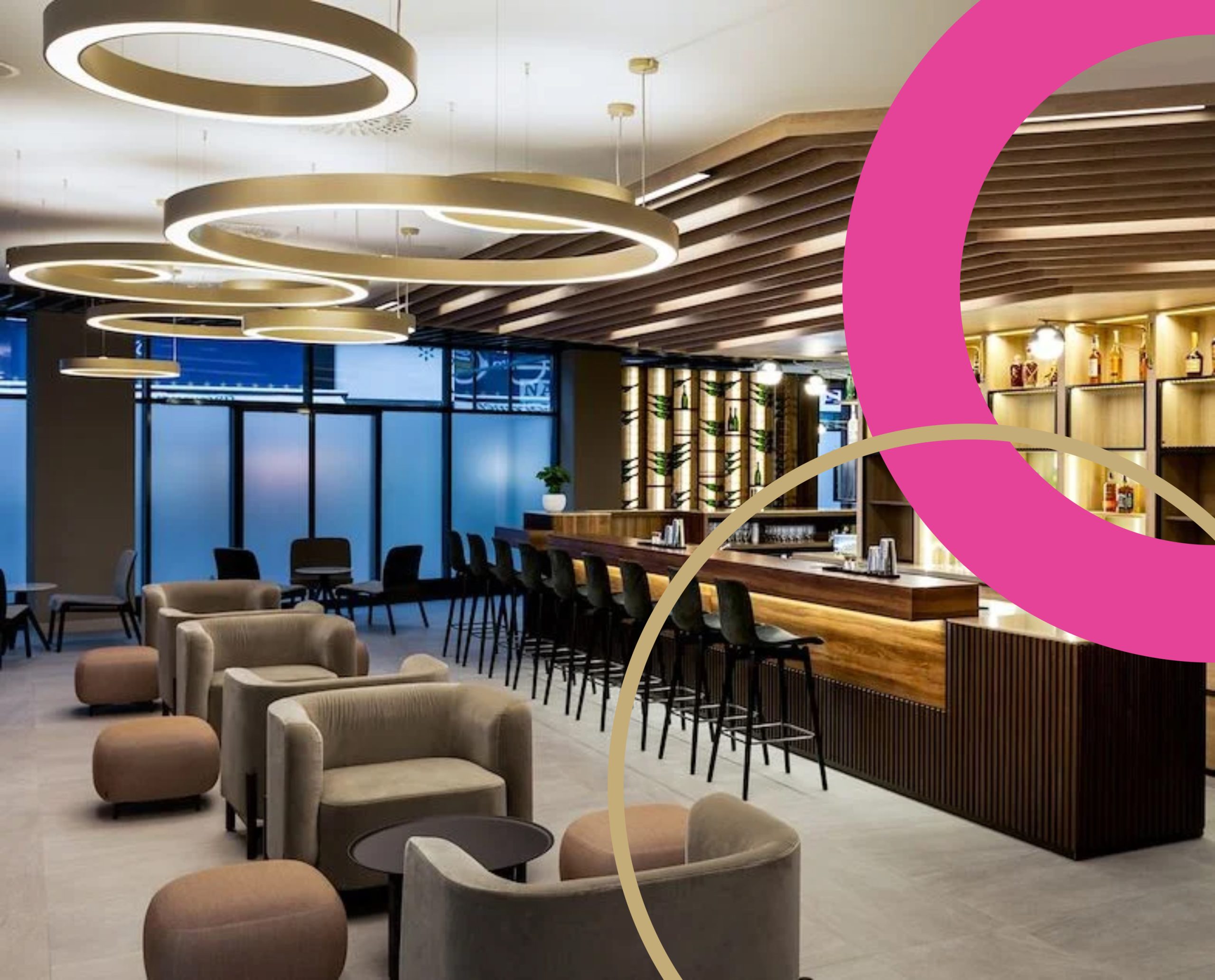
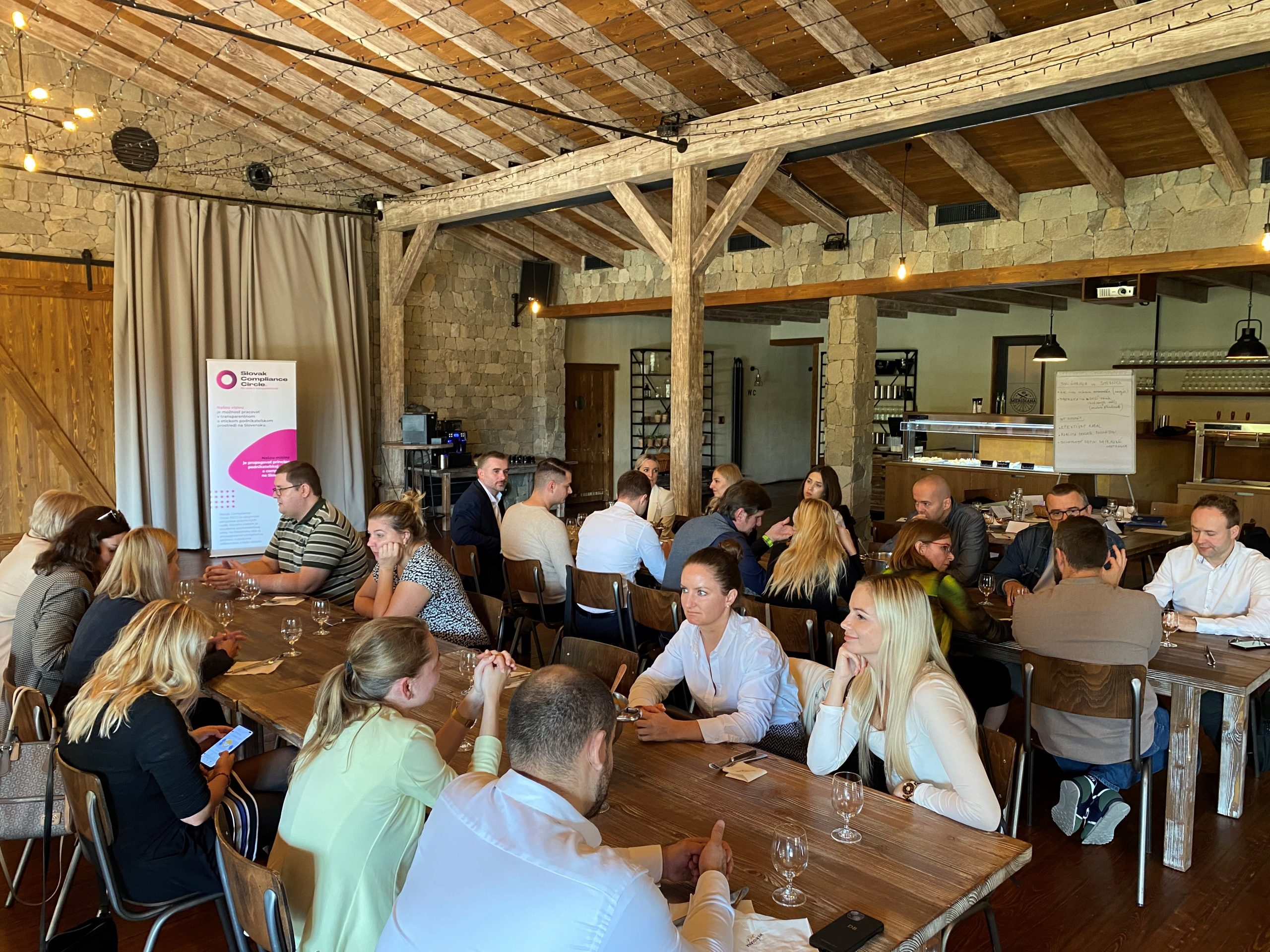
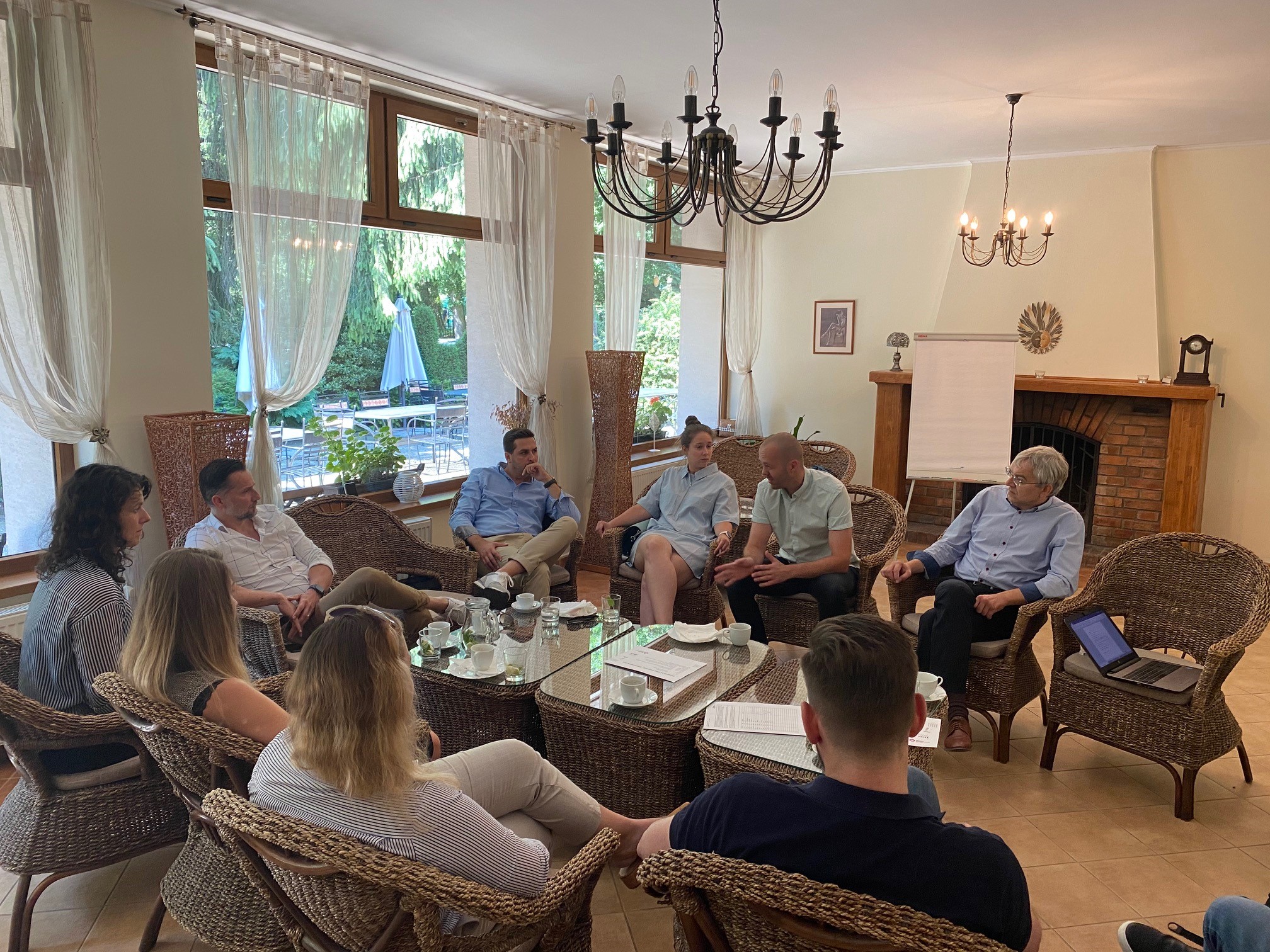
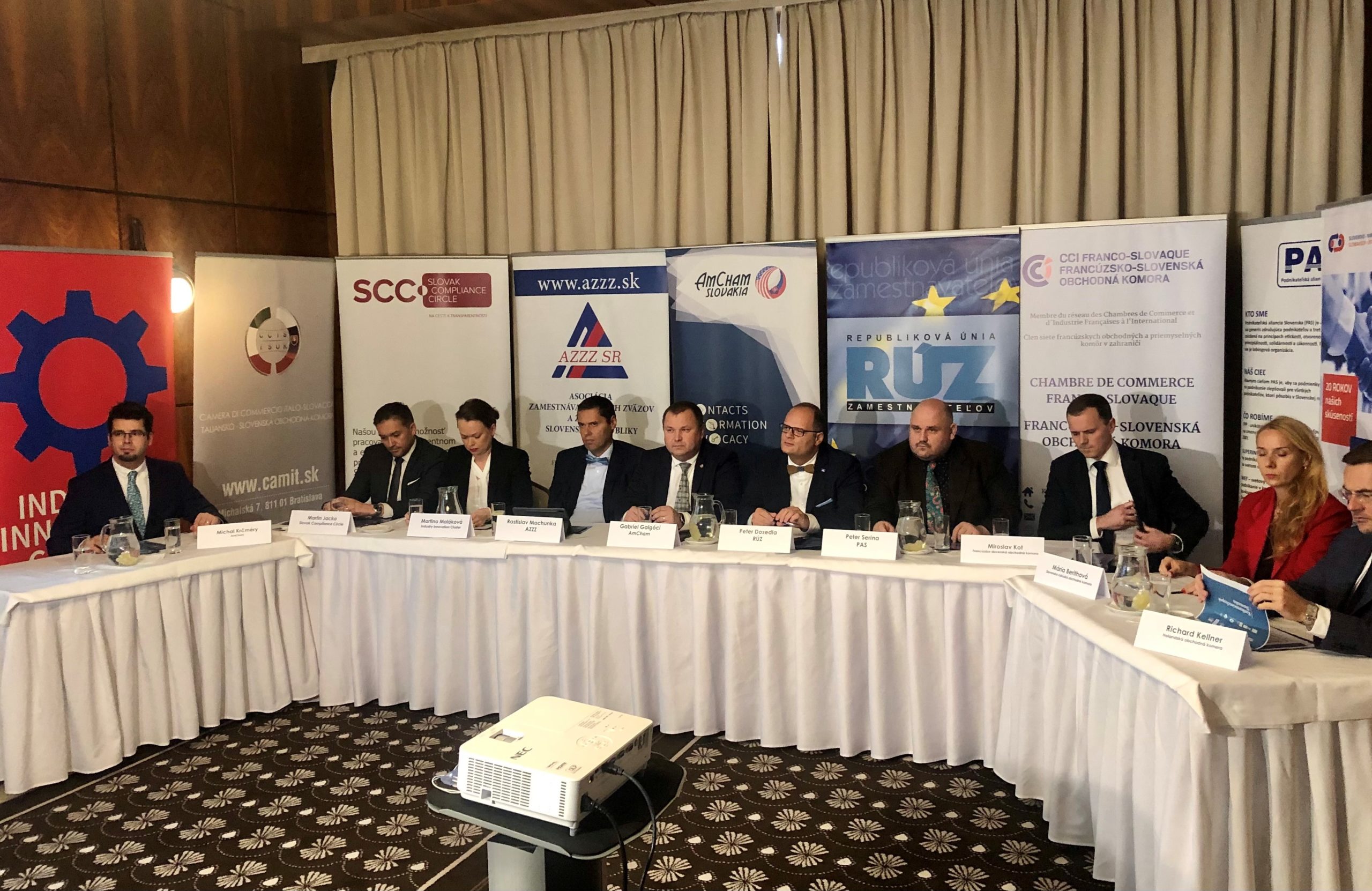
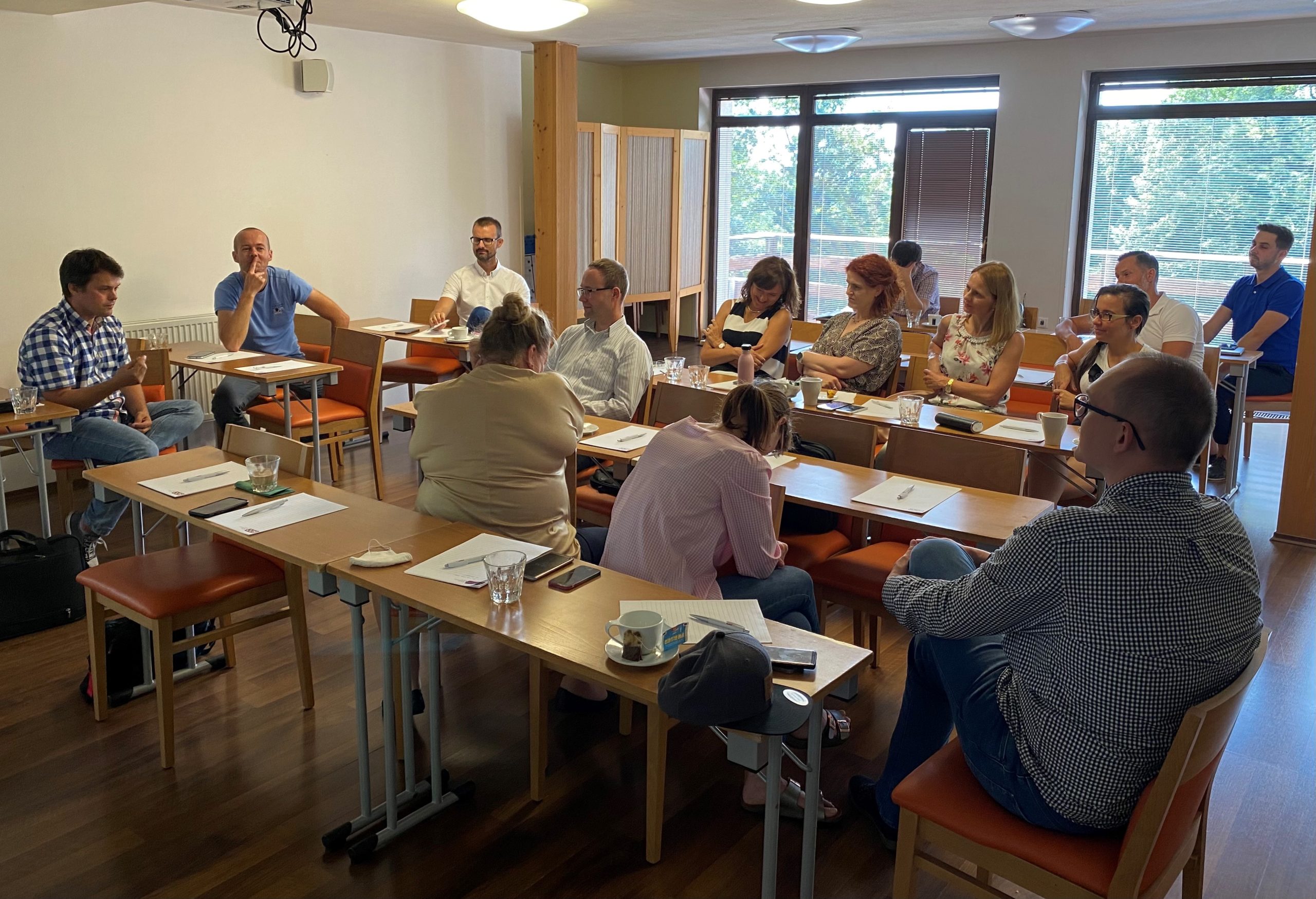
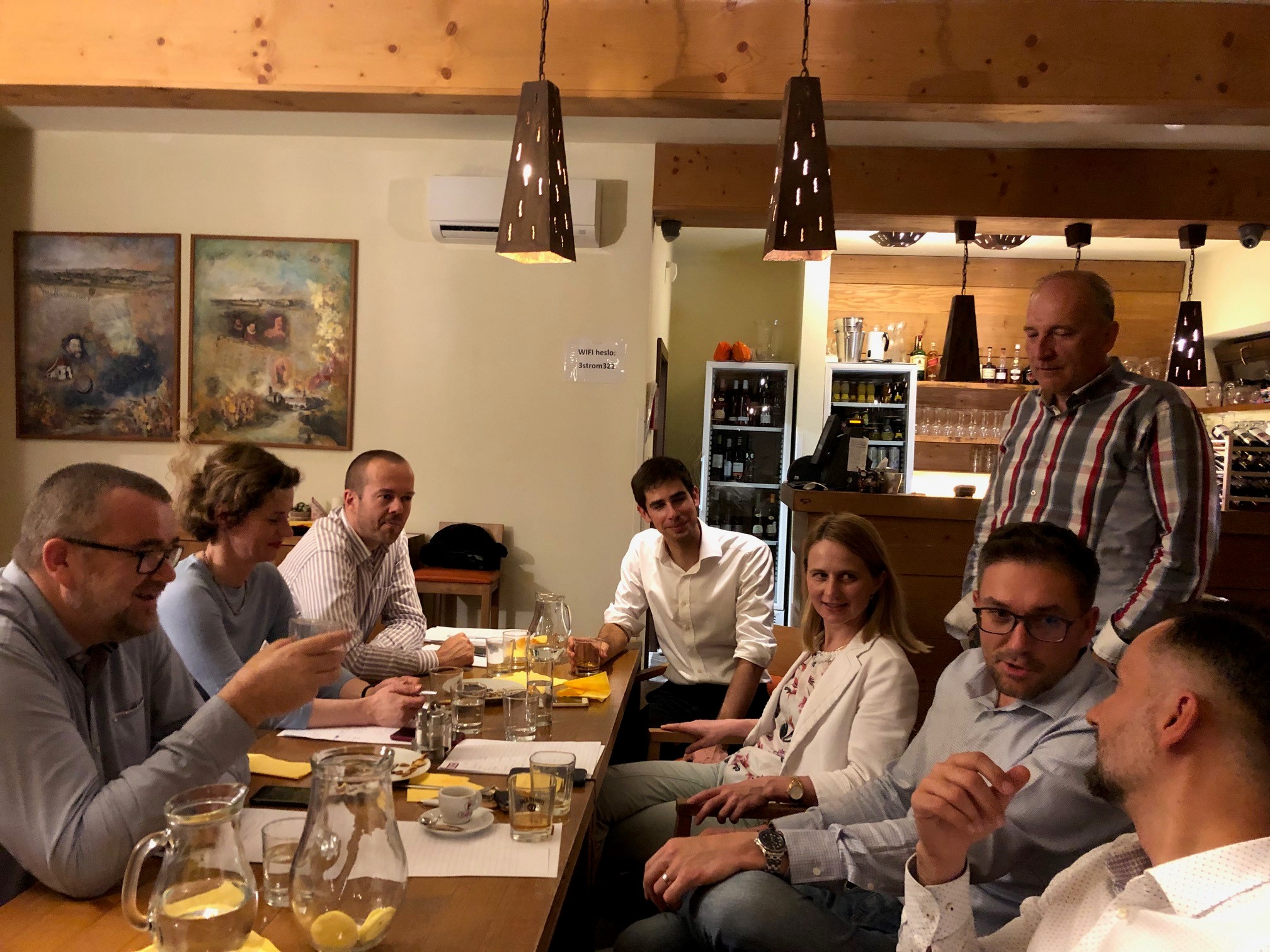
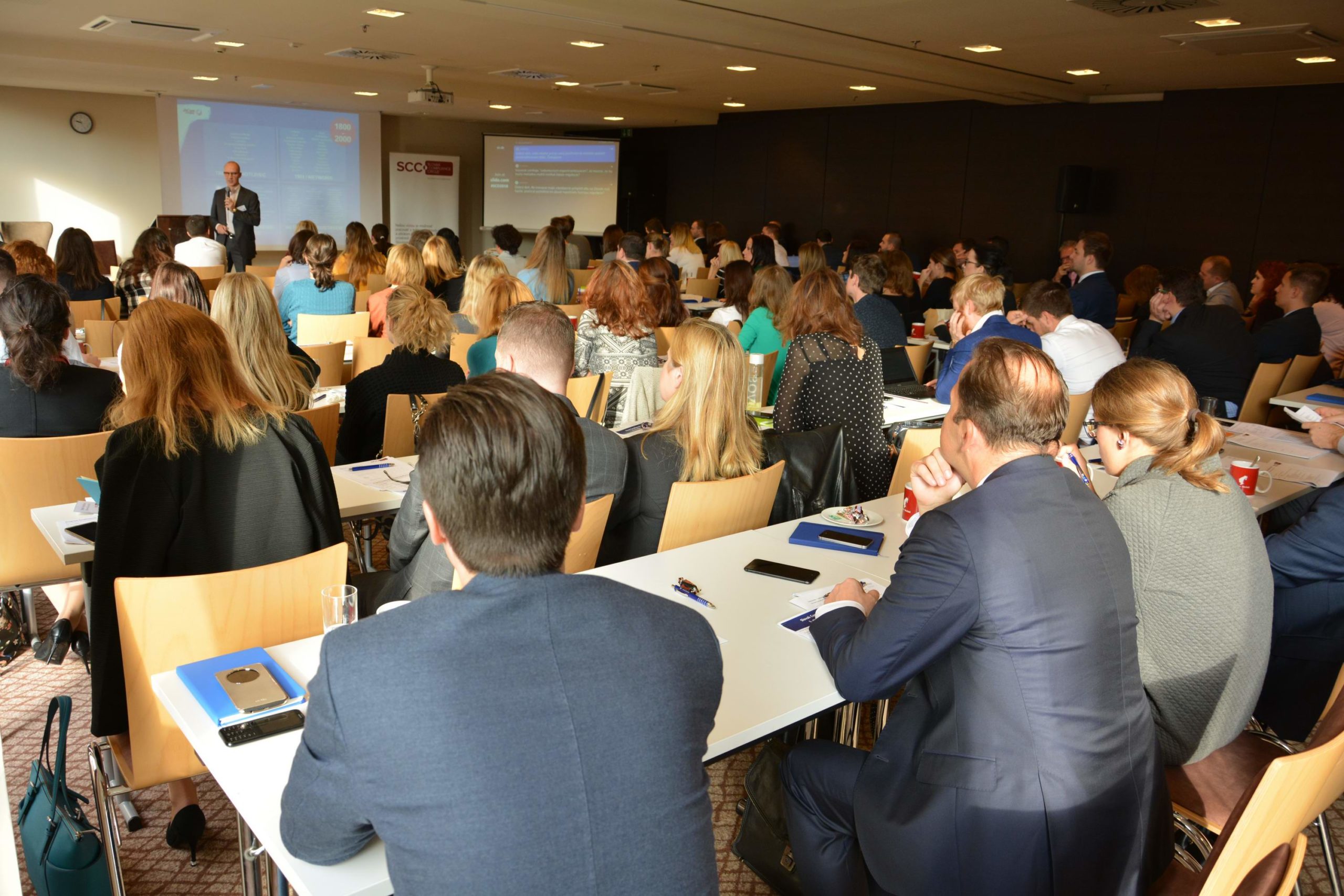
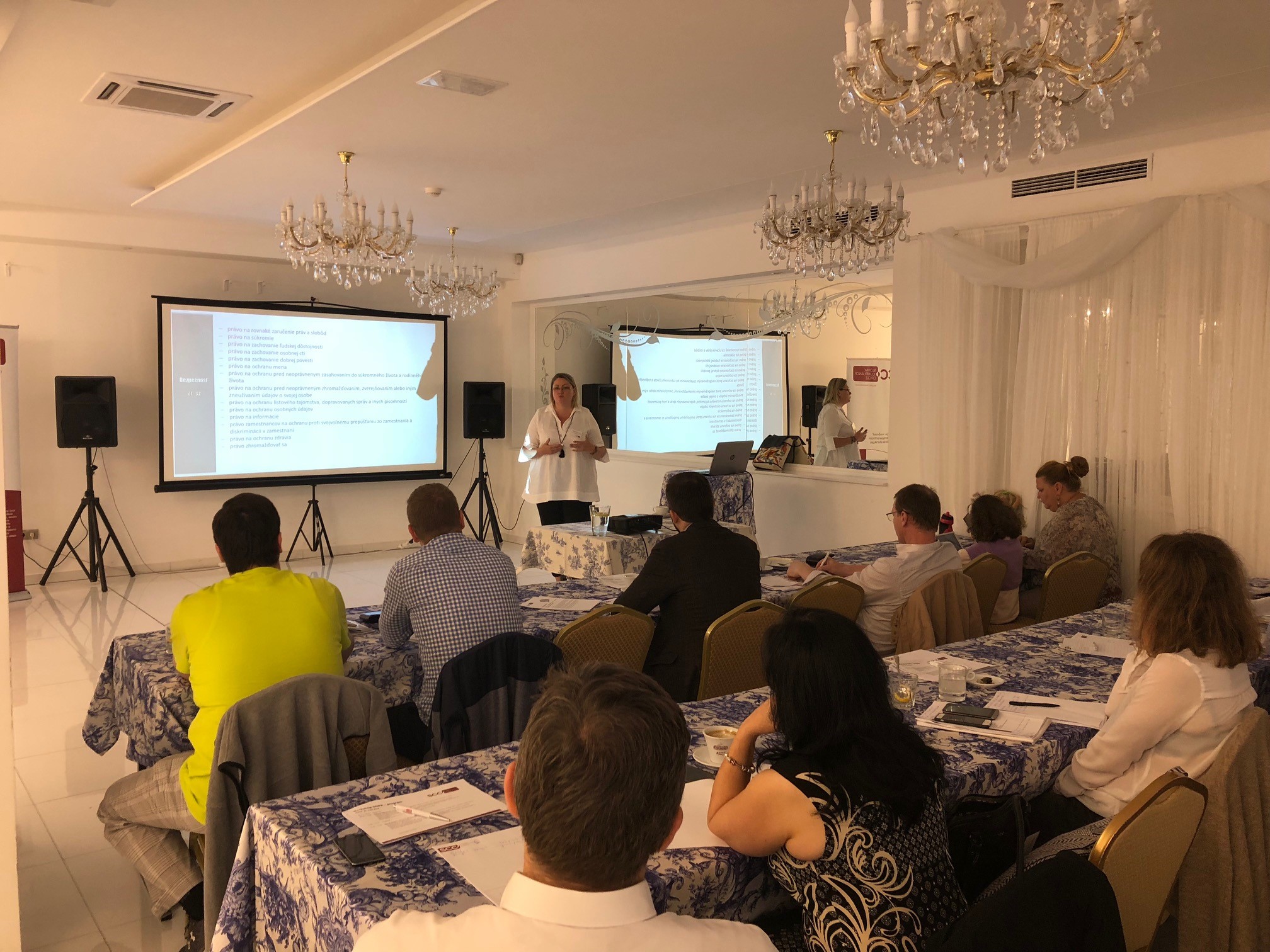
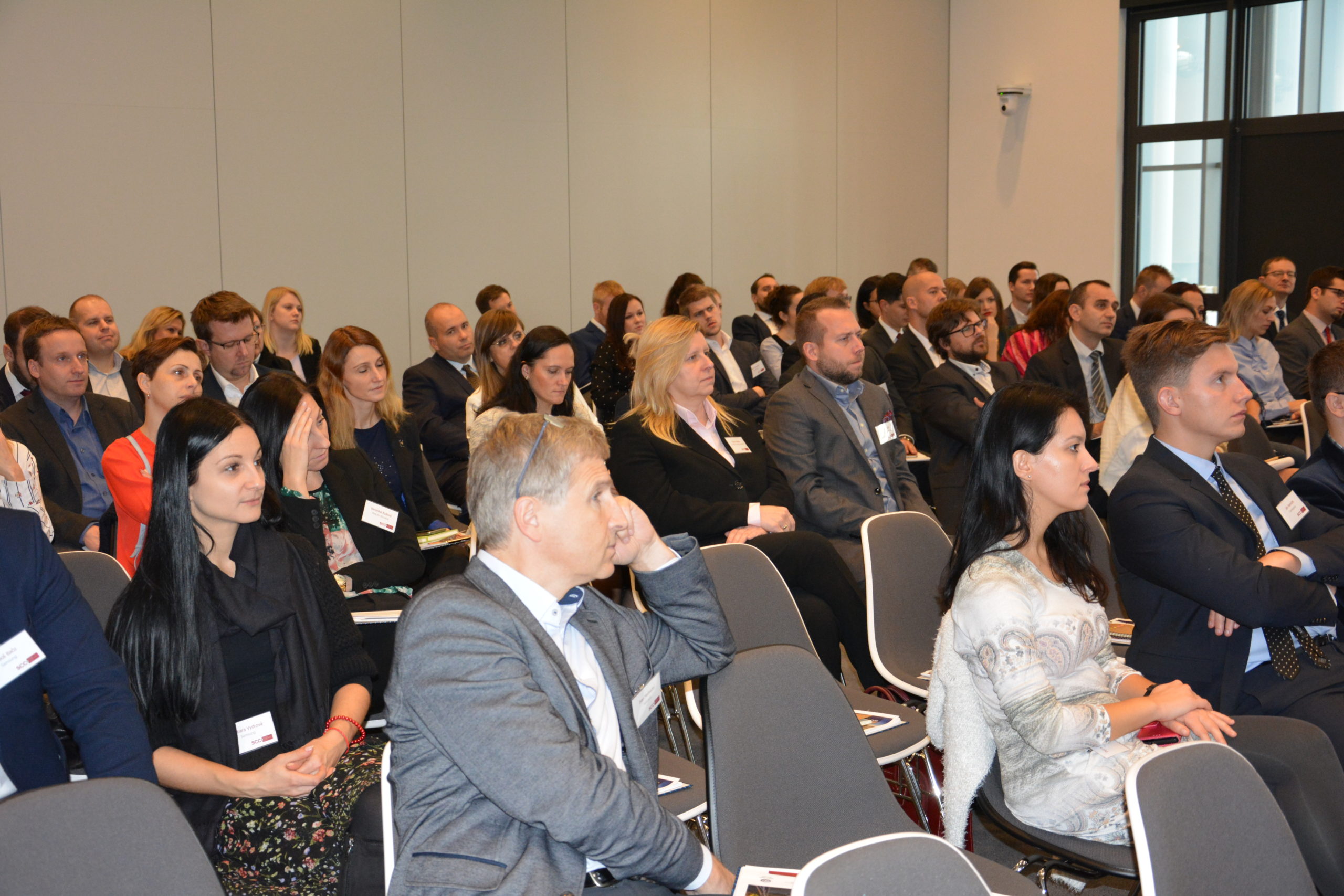
Over the course of two days, nearly 140 participants gathered at the Sheraton Bratislava Hotel, with 47 speakers from the fields of compliance, law, business, technology, security, and the public sector discussing how to build resilient and ethical organizations prepared for future challenges.
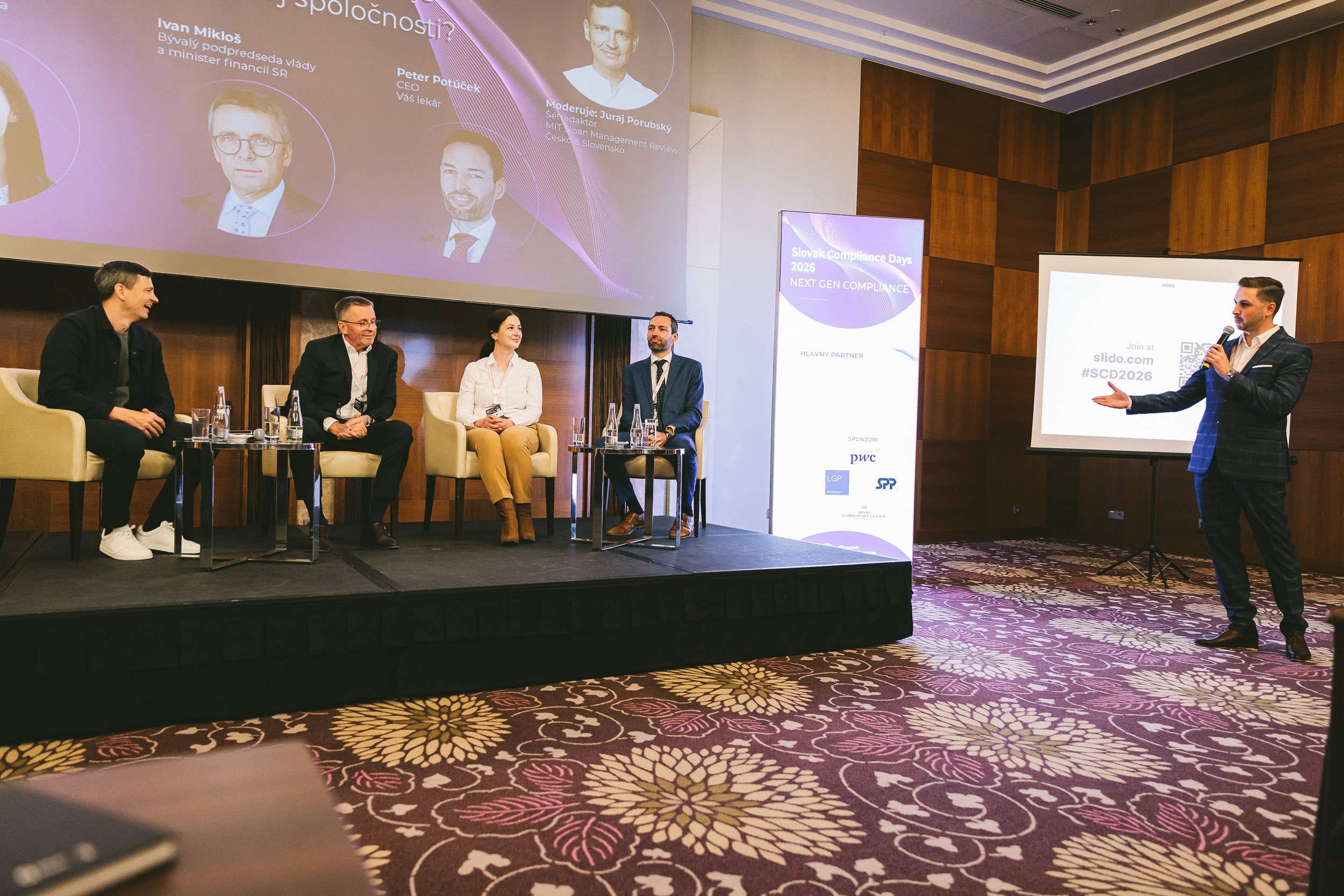
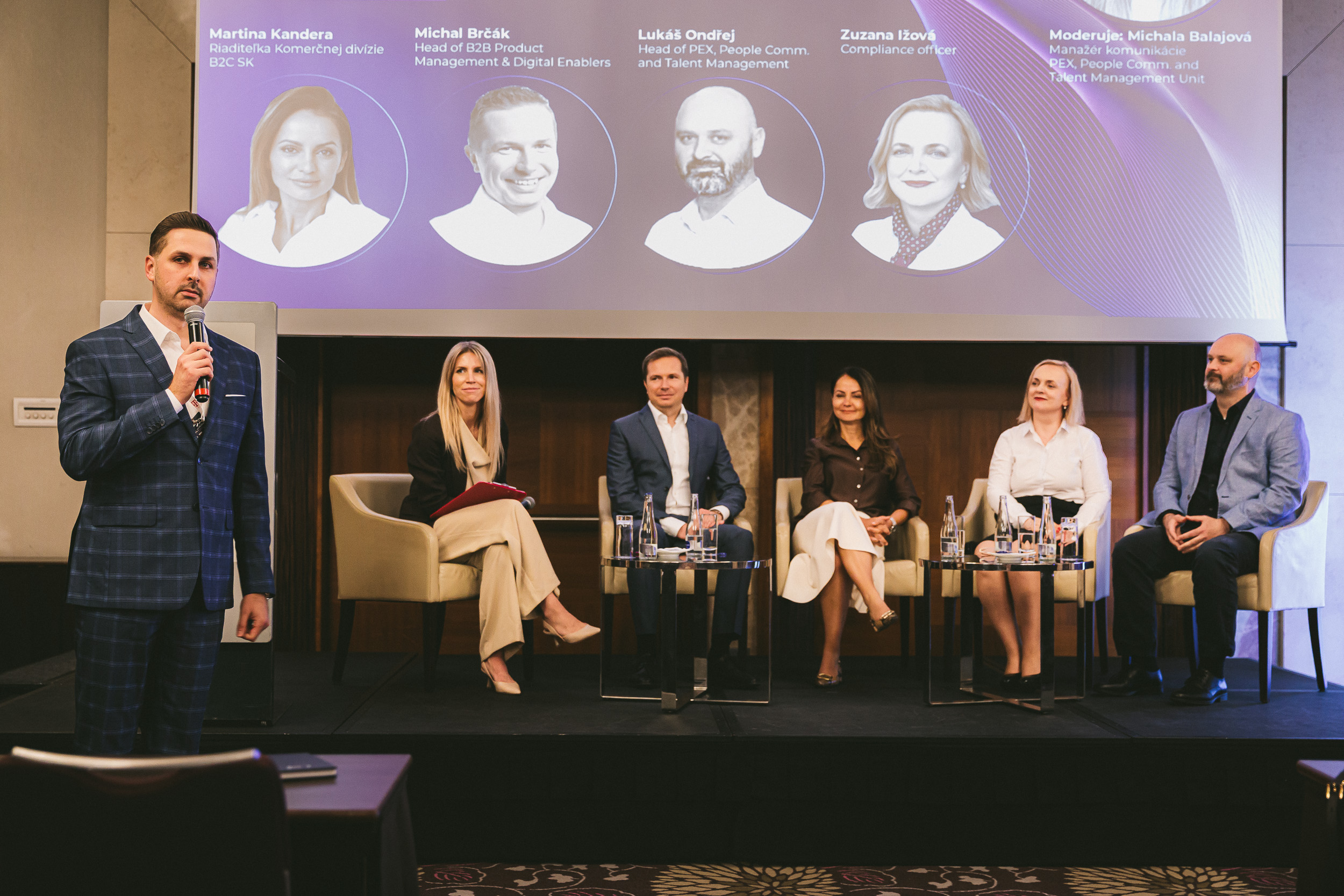
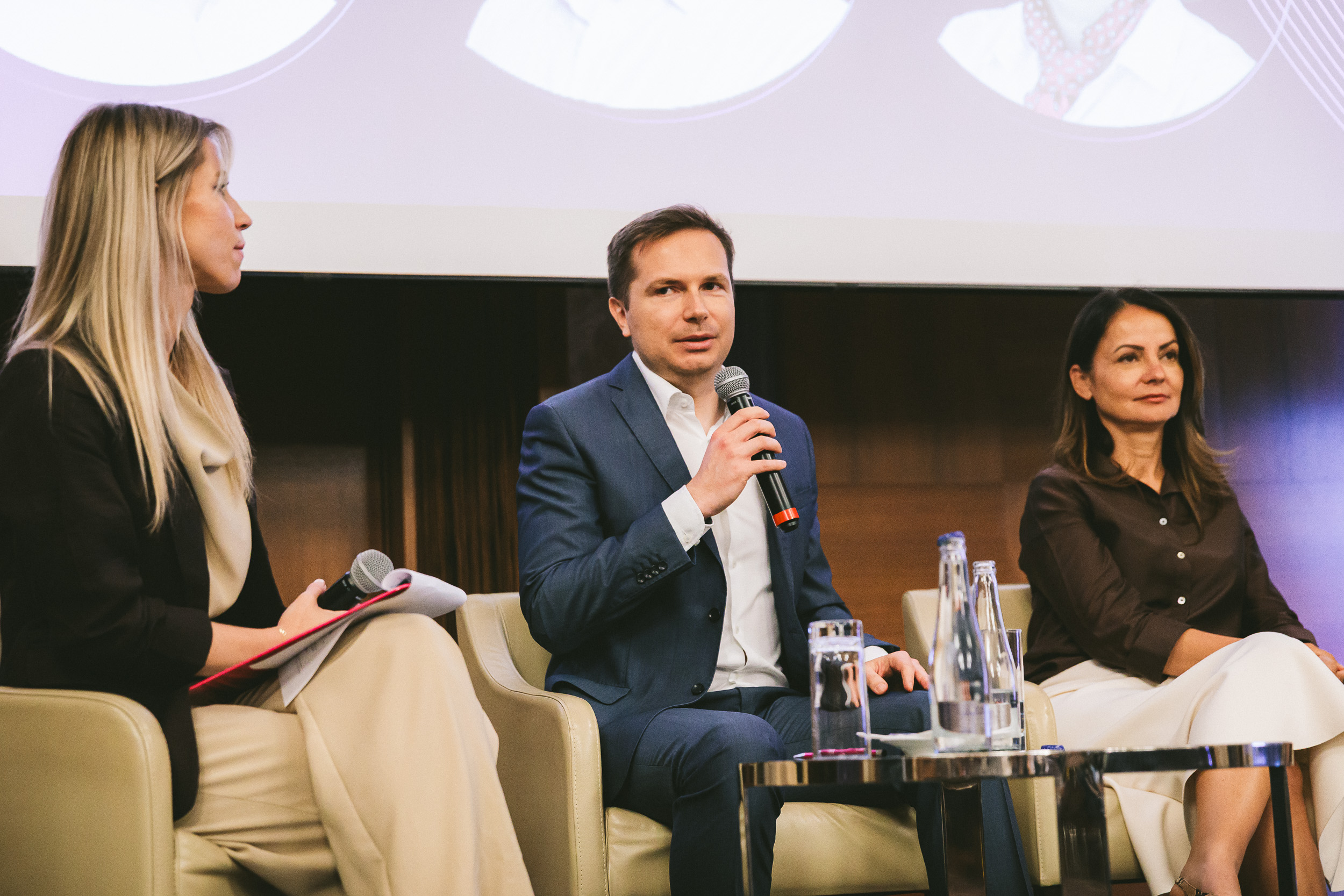
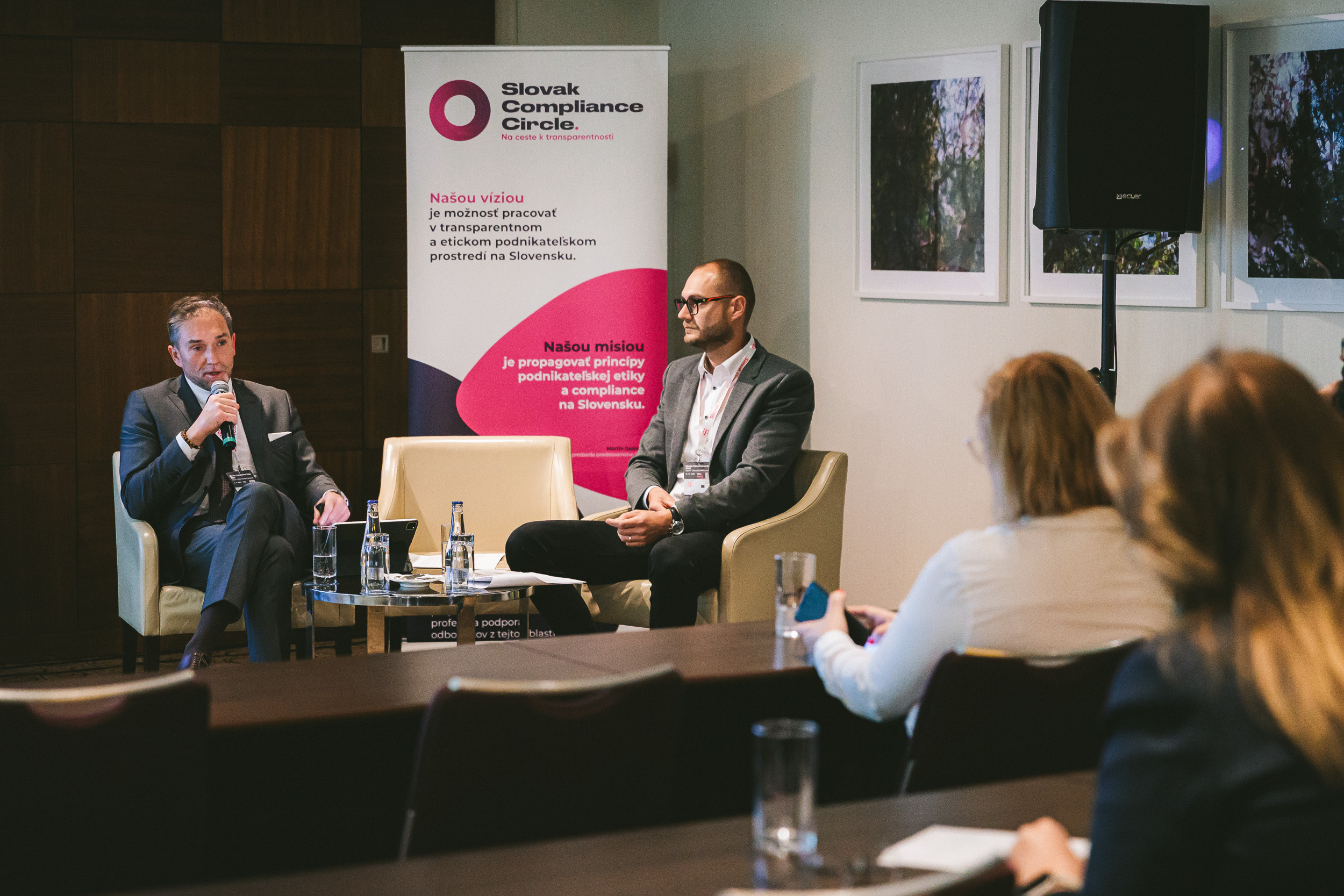
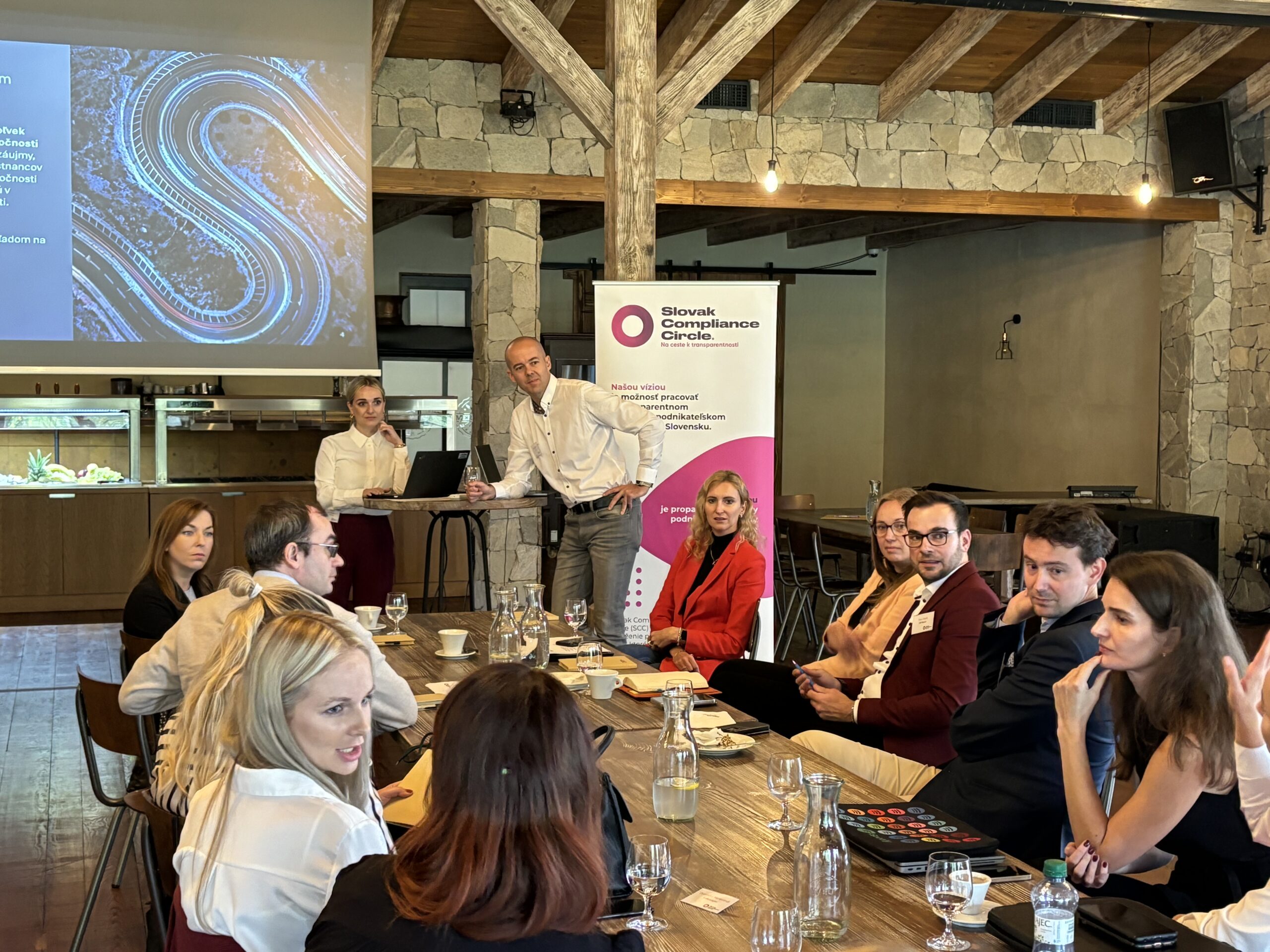
The conference program was divided into two main parts: the Main Stage, featuring strategic discussions and expert panels, and the newly introduced Use Case Lab, focused on practical case studies, concrete methodologies, and interactive workshops.
Main conference topics
Leadership, ethics, and corporate culture
The first day of the conference opened with presentations and discussions on why even experienced and successful leaders make poor decisions, and what impact those decisions have on organizations and society. Speakers emphasized that a leader’s integrity and the quality of corporate culture are fundamental pillars of long-term sustainable business. Strong emphasis was placed on creating an environment of psychological safety and fostering a speak-up culture, where employees feel comfortable raising concerns about risks or unethical behavior.
Compliance as a strategic business partner
A major theme was the transformation of compliance from a control function into a strategic management partner. Discussions focused on how compliance can support faster and better decision-making, strengthen trust within organizations, and create competitive advantage. Several presentations demonstrated that an effective compliance program must be integrated into the company’s daily operations and become part of its DNA.
Artificial intelligence and digital risks
One of the most discussed topics was artificial intelligence and its impact on compliance. Experts presented opportunities for using GenAI and automation in monitoring, reporting, and managing regulatory obligations. At the same time, they highlighted new AI-related risks, including model bias, hallucinations, sensitive data leaks, deepfake technologies, cybersecurity threats, and new requirements stemming from the EU AI Act. A clear message emerged: technology can significantly strengthen compliance, but it cannot replace human judgment and accountability.
Fraud, AML, and internal investigations
A substantial part of the Use Case Lab focused on fraud prevention and investigations. Discussions covered modern AML/KYC tools, current trends in financial fraud, and the reality that organizations often identify fraud only after significant damage has already occurred. Practical sessions addressed internal investigations—from receiving whistleblowing reports, through escalation and evidence preservation, to employment law and forensic aspects of the entire process.
Cybersecurity and new types of incidents
The Use Case Lab also featured sessions on phishing, cyber espionage, and deepfake CEO fraud. Participants were able to examine concrete case studies and analyze key decision-making moments during incidents. Experts agreed that organizational preparedness must include not only technical tools, but also regular employee training and robust crisis-response scenarios.
Geopolitics, regulation, and the legal environment
The second day opened with a discussion on the geopolitical landscape and its impact on the business environment, including issues related to critical infrastructure security and new forms of attacks targeting companies. This was followed by expert panels on changes in criminal legislation, risks in public procurement, and international economic crime. Speakers emphasized the importance of legal predictability, transparency, and strong internal control mechanisms.
The future of the Compliance Officer profession
The closing discussions focused on what the future compliance officer will look like. Speakers agreed that the role is evolving from that of a technical expert into a multidisciplinary leader—someone who understands regulation, technology, human behavior, and strategic risk management.
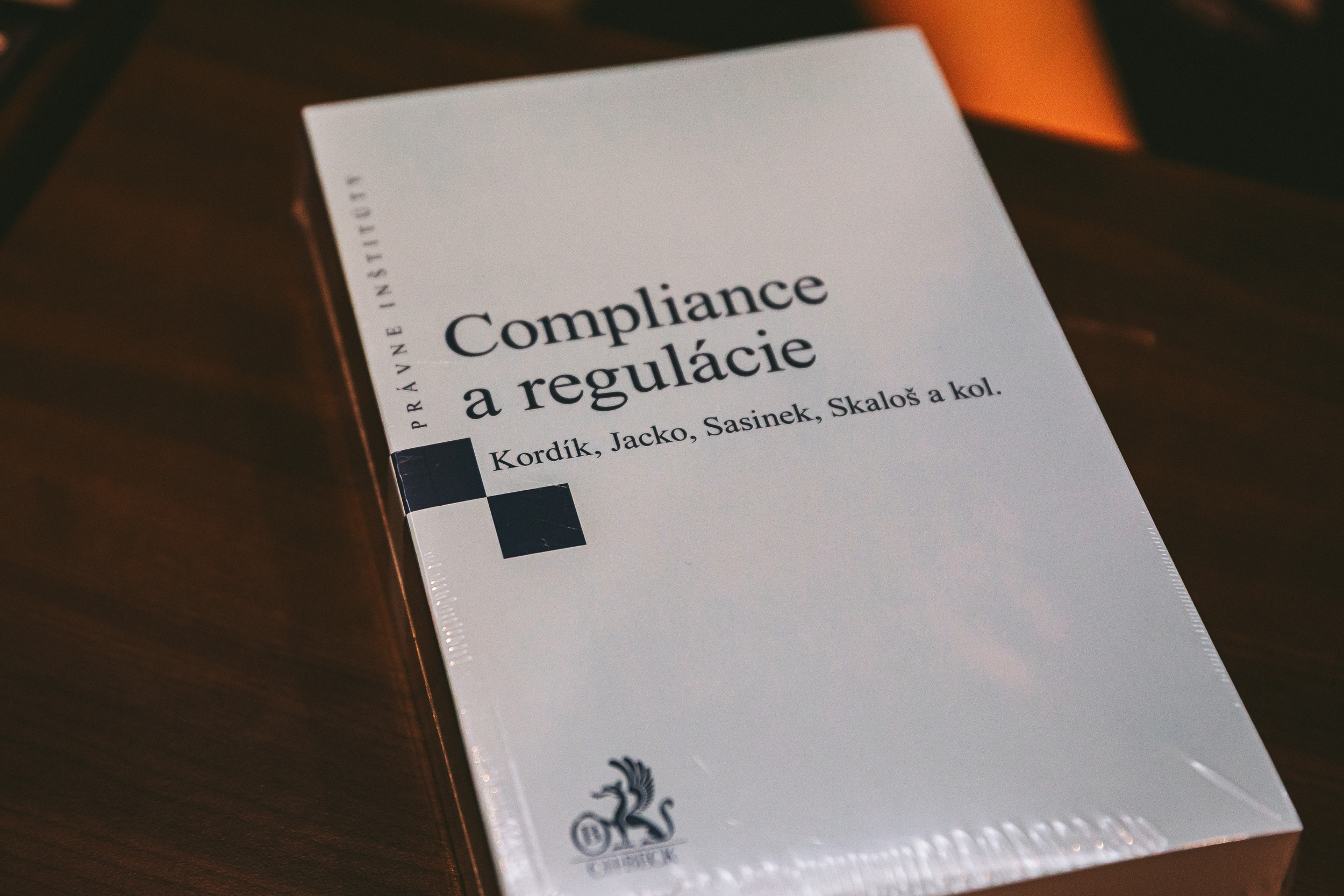
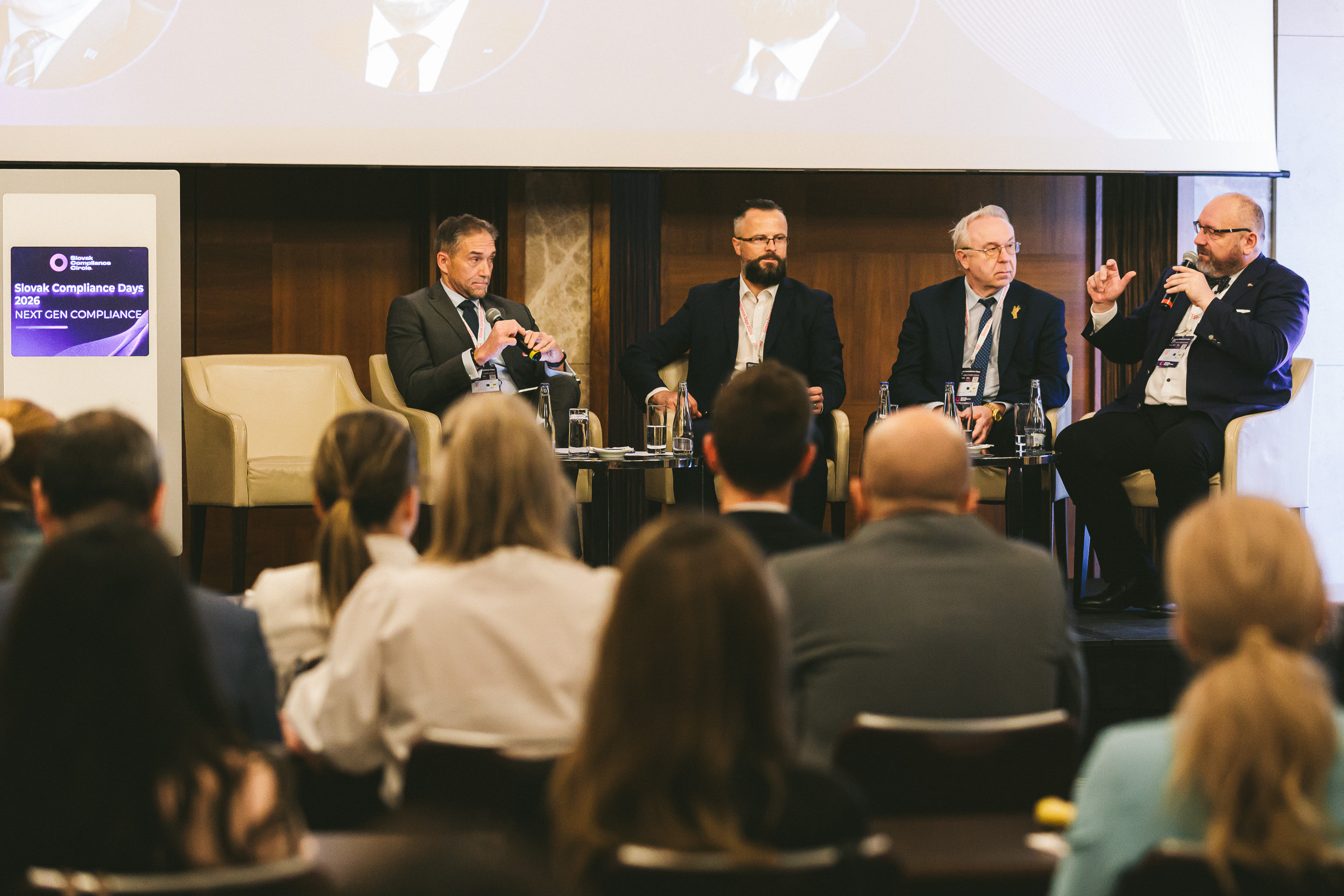
Compliance and Regulation publication
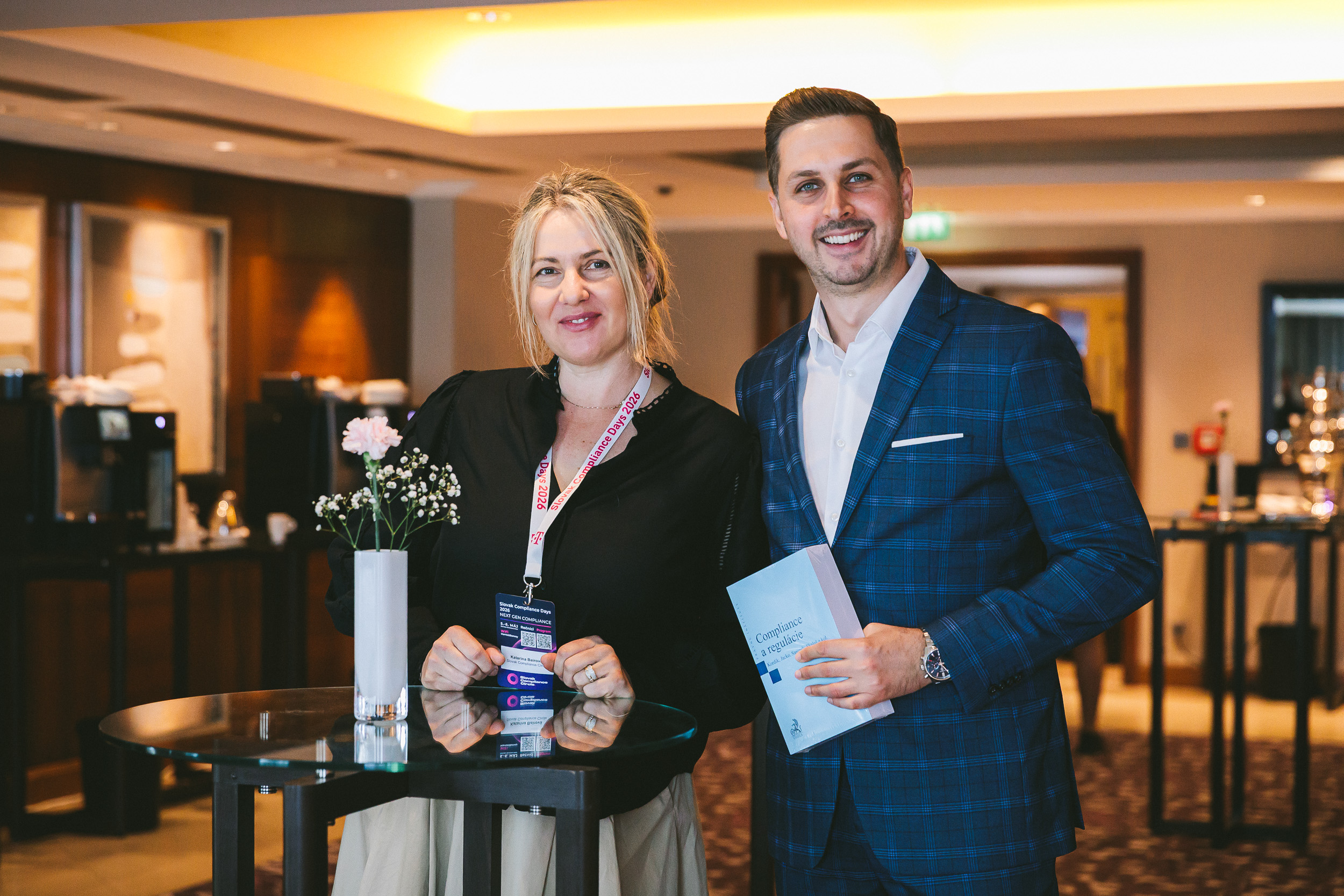
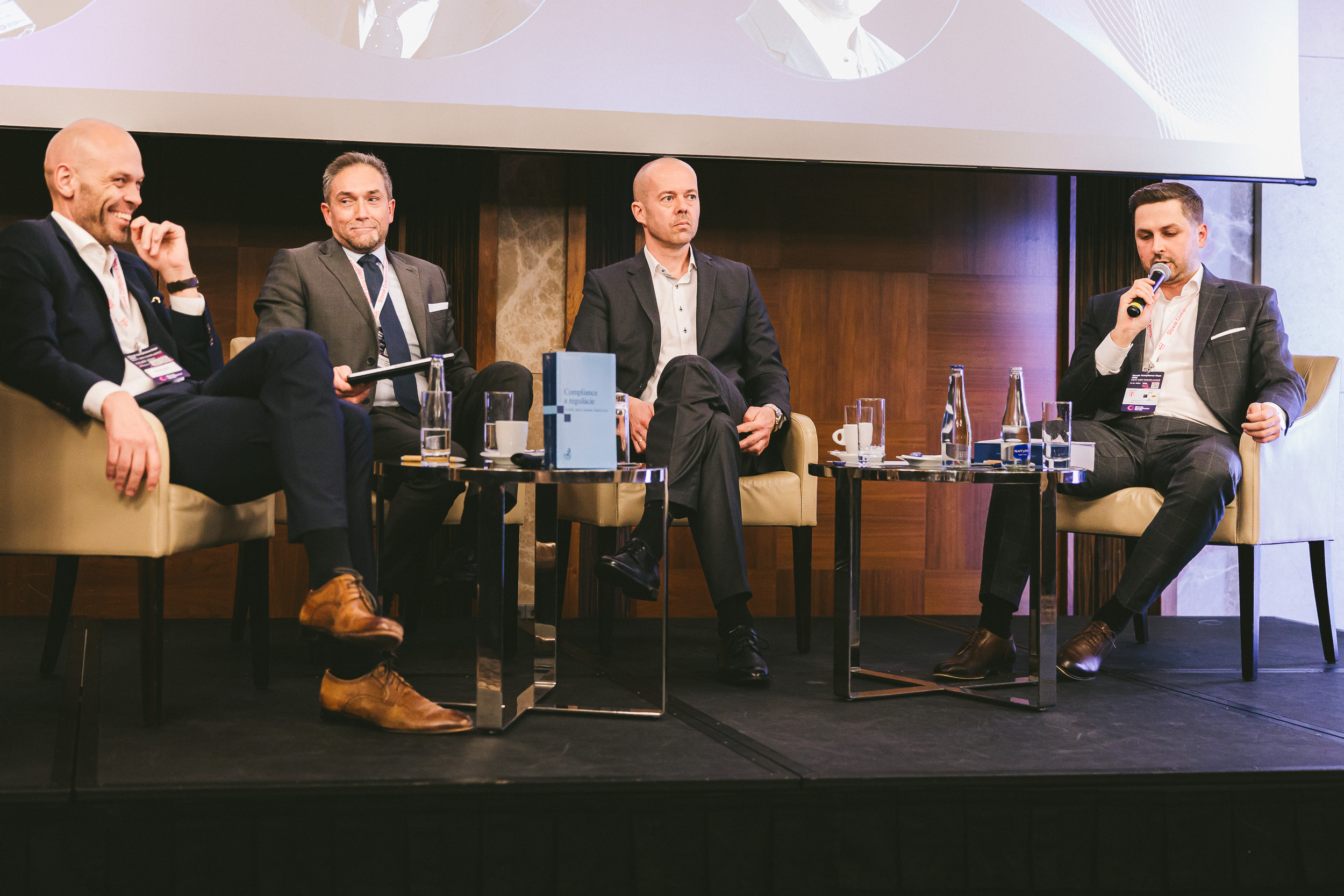
The closing program also included a discussion among the four authors of the publication Compliance and Regulation, focusing on how the monograph was created, what its purpose was, and sharing behind-the-scenes insights and interesting moments from the publishing process.
Key takeaways from the conference
- The future of compliance is multidisciplinary, connecting law, technology, psychology, security, and business.
- Integrity and corporate culture are the foundation of an effective compliance system.
- Artificial intelligence creates new opportunities, but also entirely new categories of risk.
- Organizations must be prepared to respond to incidents quickly, in a coordinated manner, and transparently.
- The role of compliance is shifting from oversight toward strategic partnership and change leadership.
Slovak Compliance Days 2026 once again confirmed its position as the leading compliance event in Slovakia. The participation of nearly 140 experts from various sectors and presentations by 47 speakers created a unique platform for professional dialogue, knowledge sharing, and shaping the vision of what compliance will look like in the years ahead.
The conference clearly demonstrated that Next Gen Compliance is no longer a vision of the future—it is a present-day reality that organizations must actively build through strong leadership, an ethical culture, intelligent use of technology, and the ability to manage new risks in an increasingly complex world.